The gravity of neglected spaces
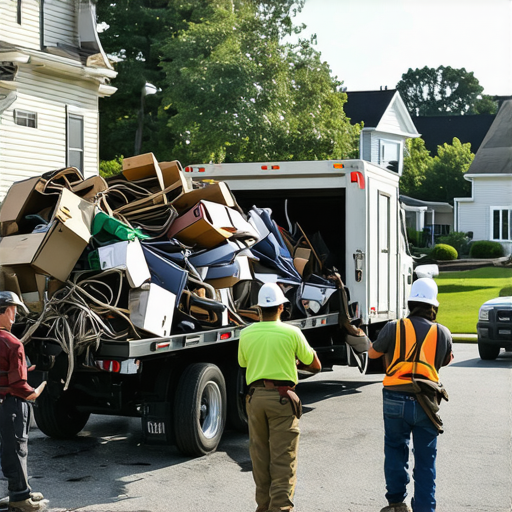
Residential Junk Removal in Aurora requires a calculated approach to volume, weight distribution, and local disposal ordinances to ensure environmental compliance. Professional haulers prioritize the physics of load-bearing structures and the logistical efficiency of 15-yard or 20-yard bins to minimize the carbon footprint of every trip to the transfer station.
A business owner tried to save €500 by hiring a guy with a pickup truck from a social media ad. Two weeks later, the police called him because his company’s confidential files were found in a ditch. Your junk is your liability until it hits the scale. I have seen this scenario play out dozens of times across the Fox Valley area. People assume that once the taillights of a truck fade into the distance, their responsibility ends. It does not. If your old tires or lead-acid batteries end up in a Kane County ravine, the EPA tracking numbers lead back to you. I manage logistics with a focus on the chain of custody. Every cubic yard we load is accounted for. We think about the tetris of the pack. We calculate the air gap. We minimize wasted space because air is the most expensive thing to haul. If a truck is not cubed out, we are burning diesel for nothing. That is a failure of planning. That is a failure of the mission.
Why your neighbor’s collection is a structural threat
Hoarder Clean Out Aurora projects often involve materials that have reached a critical mass, threatening the structural integrity of residential flooring and joists. High-density paper accumulation can exceed 40 pounds per cubic foot, leading to floor deflection and potential collapse when moisture is absorbed from the Illinois humidity.
When I walk into a house for a massive clean out, I am not looking at the mess. I am looking at the floor joists. I am looking for the bow in the wood. A stack of National Geographic magazines from 1982 might seem harmless, but when you stack them six feet high, you are creating a point load that a suburban home was never built to handle. In Aurora, many of the older homes near the downtown district have aging timber frames. These structures are resilient but they have limits. We found a situation last year where the basement ceiling was literally cracking under the weight of a collection of old engine blocks stored in a spare bedroom. We had to shore up the floor from underneath before we could even begin the removal. This is the reality of heavy-load logistics. You do not just grab and go. You assess the physics of the pull. You understand the shear strength of the materials you are walking on. Failure to do so results in a worker through the floor or a collapsed staircase.
“Waste is merely a resource in the wrong place; professional removal is the science of putting it back where it belongs.” – Disposal Industry Maxim
The chemical cocktail inside your old fridge
Appliance removal involves the safe extraction of refrigerants like R-22 or R-134a, which are potent greenhouse gases regulated under the Clean Air Act. Professional disposal ensures that compressors are drained of oils and that heavy metals in circuit boards do not leach into the local groundwater systems.
Most people see an old refrigerator as a bulky eyesore. I see it as a pressurized vessel of environmental hazards. The coolant inside is not something you just let vent into the atmosphere. It requires specialized recovery equipment. In Aurora, we see a lot of people dumping appliances in alleys hoping the city will take them. The city won’t. They want the freon certified as removed. Then you have the capacitors. Old units contain PCBs. These are not chemicals you want in your soil. We handle appliance removal by isolating the units and ensuring they reach a facility that can strip the metals while containing the toxins. The steel shell has a high recovery value, but the internal components are a liability. We track the BTU potential of recovered plastics and the scrap value of the copper coils. It is a game of margins. If you do it wrong, you are just a polluter with a truck.
Volumetric density versus gross tonnage
Understanding the difference between volume-based pricing and weight-based tipping fees is essential for accurate budgeting in large-scale junk removal projects. Residential waste typically has a lower density than construction debris, which changes the logistical strategy for truck selection and disposal routes throughout the Aurora metropolitan area.
| Material Type | Average Weight per Cubic Yard | Typical Disposal Method | Decomposition Time |
|---|---|---|---|
| General Household Junk | 250 – 300 lbs | Transfer Station | 10 – 50 Years |
| Construction Debris (Concrete) | 2,000 – 3,000 lbs | Recycling Center | Indefinite |
| Yard Waste (Green) | 300 – 500 lbs | Composting Facility | 3 – 6 Months |
| Old Furniture (Mixed) | 150 – 250 lbs | Landfill / Refurbish | 20 – 80 Years |
The table above shows why we get irritated when people try to hide concrete under a pile of clothes. It changes the center of gravity of the truck. It changes the fuel consumption. It changes the tipping fee at the Fox Valley transfer station. If I quote you for a 15-yard load of household items and you fill the bottom with 3 yards of wet soil, you have doubled the weight of the truck. This is where the logistics manager earns their keep. We monitor the leaf springs. We listen to the engine strain. We know when a customer is trying to play the system. This is why transparency matters. You tell us exactly what is in the pile, and we tell you exactly how much it will cost to make it disappear legally.
The death of solid oak
Furniture Removal in the modern era frequently deals with engineered wood products that possess low structural value and high formaldehyde content. Unlike antique solid wood, modern particle board furniture cannot be easily refurbished and often requires high-efficiency incineration or specialized landfilling to manage the synthetic adhesives used in manufacturing.
I hate modern furniture. It is a logistical nightmare. It breaks the moment you apply lateral pressure. If you are moving a solid oak dresser from 1920, you can use it as an anchor point. If you move a flat-pack shelf from 2024, it disintegrates. This creates a massive amount of micro-debris in the truck. We have to sweep more. We have to bag more. It is wasted time. Furthermore, the chemical composition of this furniture is garbage. It is basically sawdust held together by glue that off-gasses for years. When this hits the landfill, it does not just rot. It leaches. We try to find ways to divert the high-quality wood, but the cheap stuff is just a one-way trip to the heap. It is the physical manifestation of our throwaway culture. I miss the days when furniture was built to last three generations. Now, it barely lasts three moves.
The permit trap on suburban streets
Dumpster Rentals Aurora residents utilize must comply with local street occupancy permits and weight limit restrictions enforced by the City of Aurora Public Works. Placing a 30-yard roll-off container on a residential street without the proper signage or plywood protection can result in significant fines and damage to the asphalt surface.
If you think you can just drop a 20-yard steel box on your driveway without consequences, you are mistaken. The heat in an Illinois summer softens the asphalt. Without 2×10 planks under the rollers, that dumpster will sink three inches into your property. Then there is the permit issue. Aurora has specific rules about sightlines. You block a neighbor’s view of the stop sign, and the police will be there before the truck is even unhooked. We manage the live-load logistics because it avoids all of this. We pull up, we load, we leave. No permits. No damage. No eyesore for the HOA to complain about. It is the surgical strike of junk removal. You don’t need a dumpster sitting in your driveway for two weeks attracting raccoons and neighborhood trash. You need a team that knows how to move 1,500 pounds of debris in under an hour.
The toxic layer under the workbench
Garage Clean outs frequently uncover Household Hazardous Waste (HHW) such as old paint thinners, pesticides, and motor oils that require specialized handling under RCRA guidelines. These materials cannot be mixed with general waste because they pose a combustion risk during transport and can contaminate large batches of otherwise recyclable materials.
I watched a rookie almost lose his eyebrows because a customer hid a half-full propane tank inside a pile of ‘harmless’ yard waste. We don’t just lift; we inspect. Every. Single. Item. The garage is where the real danger lives. It is where people hide the stuff they don’t know how to get rid of. Old car batteries, half-empty cans of oil-based paint, and canisters of mystery garden chemicals. These are the things that cause fires in the back of trash trucks. If I see a stain on the floor, I am investigating the source. We provide a service that protects the homeowner from the liability of improper disposal. While most people think recycling is always better, the carbon footprint of hauling low-grade plastics 500 miles often exceeds the impact of local, high-efficiency waste-to-energy incineration. We look for the most efficient path for every chemical we find. We do not take shortcuts with hazardous materials.
What the truck cannot swallow
Professional junk removal companies must adhere to strict legal and safety boundaries regarding what can be transported in a standard hauling vehicle. Certain items are classified as hazardous or regulated and require specialized permits or dedicated environmental services for safe disposal.
- Lead-acid batteries and leaking automotive cells.
- Propane tanks, oxygen cylinders, and pressurized fire extinguishers.
- Asbestos-containing materials like old pipe insulation or floor tiles.
- Medical waste including sharps, biohazard bags, and expired pharmaceuticals.
- Ammunition, explosives, and pyrotechnic devices.
- Industrial-grade solvents and bulk fuels like gasoline or diesel.
- Radioactive materials such as those found in certain industrial smoke detectors.
If you have these items, we can point you to the Kane County hazardous waste events. But we will not put them in our truck. It is a matter of safety for my crew and compliance with the law. We are not just haulers. We are guardians of the waste stream. Every item we reject is a potential disaster averted. We take our role in the Aurora community seriously. We keep the junk out of the ditches and the toxins out of the water.
“Effective waste management is the first line of defense in urban environmental preservation.” – Solid Waste Association of North America
Aurora’s shifting disposal landscape
As we move into 2026, the local waste infrastructure in Aurora is transitioning toward higher diversion rates and stricter enforcement of electronic waste bans. Homeowners must adapt to these changes by utilizing professional services that provide verified disposal receipts and environmental compliance certificates for all residential clean out projects.
The days of the local dump being a free-for-all are over. In 2026, every ton of waste is tracked. The state of Illinois has increased its focus on landfill diversion. This means we have to be smarter about how we sort. We are looking at AI-driven sorting at transfer stations, but the real work starts at the curb. If we don’t sort it at the house, it is much harder to recover later. We are seeing more demand for e-waste recycling. Your old CRT monitors and tube TVs are full of lead and mercury. They don’t belong in the ground. They belong in a specialized recovery facility. We stay ahead of these regulations so you don’t have to. We handle the logistics, the paperwork, and the heavy lifting. You get your space back. We ensure the planet doesn’t pay the price for your spring cleaning. That is the standard. That is the mission.