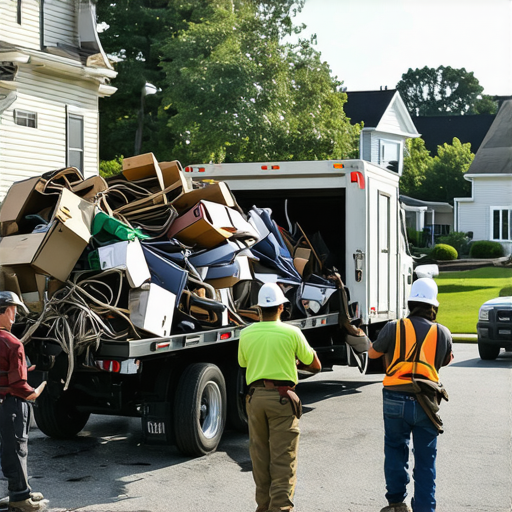

The dark truth about crawl spaces
Residential junk removal in Aurora requires a specialized understanding of crawl space logistics, where confined space entry meets hazardous waste identification and structural load management. Effective extraction involves managing stagnant air, moisture levels, and the physical density of debris within limited vertical clearances. Professionals focus on maximizing truck cubing efficiency while strictly adhering to local Aurora disposal regulations and environmental safety protocols.
I watched a rookie almost lose his eyebrows because a customer hid a half-full propane tank inside a pile of ‘harmless’ yard waste. We don’t just lift. We inspect. Every. Single. Item. This experience defined my approach to waste management. When we enter a crawl space in 2026, we are not just moving old boxes. We are navigating a graveyard of forgotten materials that have often undergone chemical or biological changes over decades. The risk is real. The physics of moving a water-logged sofa through a twenty-four-inch access hatch requires more than muscle. It requires a strategy for weight distribution and atmospheric monitoring. If you ignore the science, you pay the price in injuries or environmental fines.
The logistics of tight space extraction
Moving debris from a confined residential foundation requires a calculated approach to human kinetics and material volume. Every cubic foot of waste removed must be accounted for in the load plan to ensure the truck reaches its maximum weight capacity without exceeding legal axle limits. This process involves staged sorting at the access point to separate recyclable metals from contaminated insulation or general municipal solid waste destined for the local transfer station.
The air in an Aurora crawl space is often a cocktail of radon, mold spores, and deteriorating fiberglass. Our teams use high-efficiency particulate air filtration systems before even touching the first piece of junk. We look at the debris through the lens of density. A pile of old newspapers that has absorbed ten years of basement humidity is no longer just paper. It is a heavy, cellulose mass with the consistency of wet clay. The physical load on a technician’s spine when dragging this mass across a dirt floor is immense. We calculate the friction coefficient. We use specialized sleds. We do not tolerate wasted movement. Every trip in and out of that hole must be maximized for volume.
“Waste is merely a resource in the wrong place; professional removal is the science of putting it back where it belongs.” – Disposal Industry Maxim
Why your cheap hauler is a legal time bomb
Hiring uncertified junk removal services in Aurora creates a chain of liability that starts with the homeowner and ends at the illegal dump site. Under modern waste management statutes, the generator of the waste remains responsible for its final destination until a certified weight ticket is produced by a licensed facility. Low-cost operators often bypass these fees by abandoning loads in local Aurora parks or vacant lots, leading to heavy fines for the original owner.
The curbside cowboys are a plague on our industry. They quote a flat fifty bucks and then toss your old lead-acid batteries into a ditch behind a grocery store. When the EPA or local Aurora code enforcement finds those items, they do not look for the guy with the rusty pickup truck. They look for the person who owned the junk. We operate with a strict manifest system. Every pound of material we take from an Aurora garage clean out or crawl space is tracked. We know exactly which transfer station it hit. We know the tipping fee. We know the diversion rate. This is not just hauling. This is risk mitigation for the property owner. You are paying for the peace of mind that your old appliance removal won’t result in a court date.
Hidden dangers in the Aurora subfloor
Environmental hazards within crawl spaces often include deteriorating asbestos pipe insulation, lead-based paint chips, and biological waste from pest infestations. Professional junk removal teams identify these materials during the initial site assessment to prevent cross-contamination of the living spaces above. Handling these items requires specialized personal protective equipment and specific disposal manifests according to the Resource Conservation and Recovery Act standards.
We recently handled a hoarder clean out in Aurora where the crawl space was filled with vintage electronics. On the surface, it looked like a simple e-waste job. Once we moved the top layer, we found the batteries had leaked, creating a pool of caustic alkaline fluid that had eaten into the floor joists. The structural integrity of the home was compromised because the owner thought a crawl space was a safe place for long-term storage. We had to stabilize the area before we could even begin the removal. This is the zooming logic we apply. We look at the chemical reality of the objects. We look at the BTU potential of the wood waste. We look at the recovery value of the copper. Nothing is simple when it has been rotting in the dark for twenty years.
| Material Category | Average Density (lb/cu yd) | Decomposition Time (Years) | Aurora Disposal Path |
|---|---|---|---|
| Wet Cellulose/Paper | 800-1,000 | 1-5 | Municipal Landfill |
| Mixed E-Waste | 300-500 | 500-1,000+ | Certified E-Recycler |
| Treated Timber | 400-600 | 50-100 | Specialized C&D Site |
| Fiberglass Insulation | 50-100 | Indefinite | Hazardous Waste Cell |
The heavy cost of keeping everything
Hoarding in confined spaces creates a thermal mass that can affect the heating and cooling efficiency of an Aurora home while providing a harbor for destructive pests. The psychological weight of clutter is often matched by the physical weight on the home’s foundation, leading to settling and structural cracks. Professional intervention focuses on rapid volume reduction to restore airflow and allow for a full structural inspection of the residence.
A crawl space should be empty. Period. When people start treating it like a secondary attic, they invite disaster. We have seen floor joists bowing under the weight of old magazines. We have seen furniture removal jobs that turned into structural repairs because the termite-infested sofa was the only thing holding up a corner of the kitchen floor. The cost of removal is a fraction of the cost of a foundation collapse. In Aurora, the humidity levels in summer can turn a cluttered crawl space into a petri dish within weeks. We move fast. we use high-volume suction for loose debris. We use hydraulic jacks if we suspect the load has shifted the house. We do not just take the junk. We restore the building’s health.
“The Resource Conservation and Recovery Act (RCRA) creates a framework for the proper management of hazardous and non-hazardous solid waste, ensuring that human health and the environment are protected from the hazards of waste disposal.” – Environmental Protection Agency
Modern appliance removal physics
Removing large appliances from residential basements or crawl spaces in Aurora requires an understanding of mechanical advantage and center-of-gravity shifts. Technicians must navigate tight turns and steep stairs while managing the hazardous components found in older units, such as chlorofluorocarbons in refrigerators or mercury switches in chest freezers. Improper handling can lead to environmental leaks and significant property damage during the extraction phase.
The old deep-freezer in the corner isn’t just an eyesore. It is a logistical puzzle. If it is a model from the early nineties, it likely contains R-12 refrigerant. If you tip it the wrong way or nick a line during removal, you are venting ozone-depleting substances into the client’s home. We use specialized appliance dollies with stair-climbing tracks. We secure the doors with industrial-grade strapping. We calculate the turn radius of every hallway. If we are doing a furniture removal in Aurora, we are looking at the fasteners. Modern disposable furniture is held together by hope and wood glue. If you lift it wrong, it disintegrates. We wrap it. We stabilize it. We treat every piece like a potential spill hazard.
- Lead-acid batteries and automotive fluids
- Full or partially full pressurized tanks (Propane, Oxygen)
- Unlabeled industrial chemicals or solvents
- Biohazardous waste and medical sharps
- Asbestos-containing materials without abatement certification
- Ammunition or explosive materials
The resource recovery mandate
Sustainable junk removal in Aurora 2026 prioritizes material diversion over landfill disposal to comply with evolving state waste-to-energy targets. By separating high-value metals, clean wood, and recyclable plastics at the point of origin, haulers reduce the total carbon footprint of the project. This methodical approach ensures that Aurora remains a leader in environmental stewardship while lowering the overall tipping fees for the consumer.
The old way of thinking was ‘out of sight, out of mind.’ The new way is resource management. While most people think recycling is always better, the carbon footprint of hauling low-grade plastics five hundred miles often exceeds the impact of local, high-efficiency waste-to-energy incineration. We make those calls on-site. We know the local Aurora markets for scrap. We know which charities will actually take a used table and which ones will just throw it in their own dumpster. We are the gatekeepers of the waste stream. When we clear a crawl space, we are performing a forensic audit of a household’s consumption. We turn that audit into a recovery plan. The floor snapped once under a heavy load because of dry rot. It never happened again. We learned. We adapted. We are the engine of clean space.