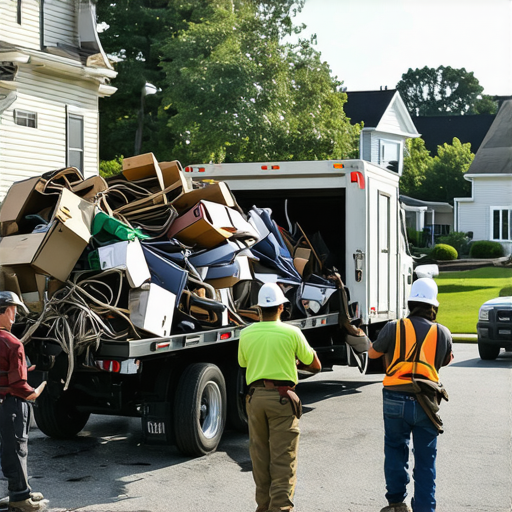
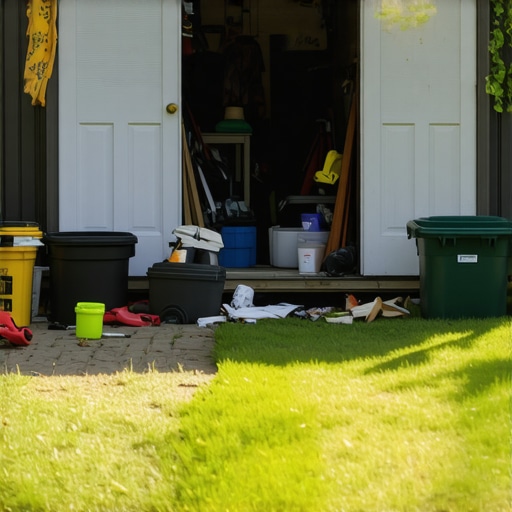
The air in Aurora during a 6:00 AM dispatch smells like diesel exhaust and hydraulic fluid. It is the scent of a long day of logistics. I have spent 25 years watching people underestimate the mass of their own lives. A backyard shed in Aurora is never just a shed. It is a pressurized capsule of decaying organic matter, forgotten chemicals, and structural wood that has reached its saturation point. We approach these sites not as simple laborers, but as waste management strategists calculating tipping fees and diversion rates before the first board is even pulled. Most homeowners think of junk removal as a trip to the curb. For us, it is a complex equation involving the Resource Conservation and Recovery Act and the precise cubic yard density of a 15-yard dump truck. A business owner once tried to save 500 dollars by hiring a guy with a pickup truck from a social media ad. Two weeks later, the police called him because his company’s confidential files were found in a ditch. Your junk is your liability until it hits the certified scale at a regional transfer station. This is the reality of the industry that curbside cowboys ignore. We see the hazard in the hidden propane tank and the fire risk in the pile of old lithium batteries tucked behind a lawnmower. It is about the science of disposal.
The hidden physics of shed decay
Aurora shed debris removal involves calculating the structural load of weathered wood and the chemical profile of contaminated soil. A standard 10 by 12 wooden shed can hold thousands of pounds of discarded material that has settled over decades. When wood stays in contact with the damp ground of a Kane County yard, it undergoes a transformation. We look for cellulose degradation and the presence of carpenter ants or termites that compromise the integrity of the load. Moving a collapsed shed requires understanding the shear strength of rusted fasteners. If you pull the wrong corner, the entire structure becomes a chaotic mass of splintered pressure treated lumber. We categorize every piece of debris. The asphalt shingles go to a specific pile for potential road aggregate recycling. The untreated wood has a high BTU potential for waste to energy plants. The metal hinges and aluminum siding are stripped for scrap. This is how we maintain high diversion rates. We do not just toss everything into a hole. We surgically dismantle the mess to ensure that the least amount of material ends up in the landfill. This logistical zooming allows us to maximize truck space, ensuring we do not leave air gaps in the bed. An empty pocket in a truck is a loss of efficiency and an insult to the physics of the load.
“Waste is merely a resource in the wrong place; professional removal is the science of putting it back where it belongs.” – Disposal Industry Maxim
The legal trap of the discount hauler
Hiring unlicensed junk removal services in Aurora creates a massive legal liability for the property owner. When you pay a random person to take your old appliances or furniture, you are legally responsible for that waste until it reaches a licensed facility. If that individual dumps your old sofa and refrigerator in a local creek or an empty lot, the environmental enforcement officers will trace it back to you. We see this often in Aurora. People try to avoid the tipping fees at the Orchard Hills Landfill and end up paying thousands in municipal fines. Professional junk removal requires a commercial insurance policy that covers environmental spills and worker’s compensation. If a worker gets a nail through their foot on your property and they are not insured, you are the one the lawyers look at. We maintain a strict chain of custody for every load. We provide manifests that prove your waste was disposed of according to EPA standards. This is the difference between a professional operation and a guy with a trailer. We understand the RCRA Subtitle D regulations that govern municipal solid waste. We know that certain items like old air conditioners contain refrigerants that must be recovered by a certified technician. We do not take shortcuts because the legal and environmental costs are too high.
The math of truck bed density
Optimizing truck volume in Aurora junk removal requires a deep understanding of the Tetris effect. A 15-yard dump truck has a finite amount of space, and every cubic inch of air is wasted money. We stack heavy, flat items like old plywood or flattened boxes at the bottom. We use soft goods like old mattresses or furniture cushions to fill the gaps. This prevents the load from shifting during transport, which is a major safety hazard on the high traffic roads of Aurora. We calculate the weight to volume ratio constantly. If we are hauling heavy concrete or dirt, we can only fill the truck a quarter of the way before we hit the legal axle weight limits. If we are hauling light garage debris, we can fill it to the top. This is the science of cubing out. We aim for maximum density. When we perform a hoarder clean out in Aurora, the density of the material is often much higher because the paper and cloth have been compressed by years of gravity. This requires specialized equipment and a strategy for tiered removal. You cannot just start throwing bags. You have to create a path and manage the load to ensure the truck remains balanced and safe for the haul to the transfer station.
| Material Type | Decomposition Time | Disposal Difficulty |
|---|---|---|
| Pressure Treated Wood | 50 to 100 years | High (Chemicals) |
| Asphalt Shingles | 300 years | Moderate (Weight) |
| Steel and Aluminum | 50 to 200 years | Low (Recyclable) |
| Plastic Sheeting | 500 plus years | High (Volume) |
| Organic Yard Waste | 6 months | Low (Compostable) |
The science of hazardous waste identification
Identifying hazardous materials in an Aurora residential clean out is the first priority for crew safety. Many residents do not realize that common household items are considered hazardous waste. We often find old cans of lead based paint, mercury thermometers, and containers of banned pesticides like DDT in older sheds. These items cannot go into a standard dumpster. We have a strict protocol for isolation. If we find a leaking car battery, we use neutralizing agents immediately. The lead acid inside is a major environmental pollutant. We also look for old propane tanks. Even if they feel empty, they often contain enough residual gas to explode if crushed in the back of a hydraulic packer truck. This is why we inspect every single item. We do not just grab and go. We look for the labels, we smell for chemical odors, and we check for the telltale signs of corrosion. Our team is trained to recognize the different types of plastic and metal to ensure that anything hazardous is diverted to a specialized Kane County household hazardous waste facility. This is part of our commitment to the local Aurora environment.
- Lead acid car and tractor batteries
- Pressurized cylinders and propane tanks
- Liquid paints and thinners
- Industrial grade pesticides and herbicides
- Large quantities of pool chemicals
- Biohazardous materials or medical waste
- Asbestos containing materials like old insulation
The heavy cost of keeping everything
Hoarder clean outs in Aurora require a logistical and psychological strategy that goes beyond simple hauling. When a house or garage is filled from floor to ceiling, the structural load on the building is often compromised. We have seen floor joists bowing under the weight of accumulated junk. The removal process must be gradual to prevent sudden shifts in the building’s center of gravity. We use a method called the back to front strategy. We clear the exits first, creating a safe egress for the crew. Then we work our way into the densest areas. Every load is categorized. We find that in these situations, there is a lot of hidden value buried under the debris. We set aside items that can be donated to local Aurora charities, reducing the amount of waste that goes to the landfill. This is the ethical hacker approach to waste. We find the backdoor to the problem by breaking it down into manageable segments. We do not see a mountain of trash; we see a series of logistical puzzles that need to be solved. Each truckload is a step toward restoring the property to a safe and functional state.
“Professional waste management is the final barrier between a clean community and environmental chaos.” – Solid Waste Association Analysis
Aurora waste management standards and local realities
Local Aurora disposal regulations dictate exactly where and how junk can be processed. Kane County has specific mandates regarding the recycling of e-waste and the disposal of bulky items. We coordinate with local transfer stations to ensure we are following the most current guidelines. For example, during a garage clean out, we often encounter old tires. Tires are a nightmare for landfills because they trap methane gas and tend to float back to the surface. We take them to specialized tire shredding facilities where they are turned into playground mulch or rubberized asphalt. We also have to manage the narrow alleys and tight residential streets of Aurora. Using massive 40 yard roll off dumpsters is often impossible due to permit restrictions and overhead power lines. This is why our live load trucks are more efficient. We pull up, load the debris, and move out, leaving the street clear and the neighbors happy. We manage the permits and the paperwork so the homeowner doesn’t have to deal with the municipal bureaucracy. This is the reality of urban junk removal. It is a dance between big machines and small spaces. We prioritize efficiency because every minute our truck is idling on a city street is a minute we are not at the scale. The final tally of a project is measured in tons diverted and cubic yards recovered. We take pride in the fact that we leave Aurora a little cleaner, one shed at a time.