The logistical nightmare of the Aurora transition zone
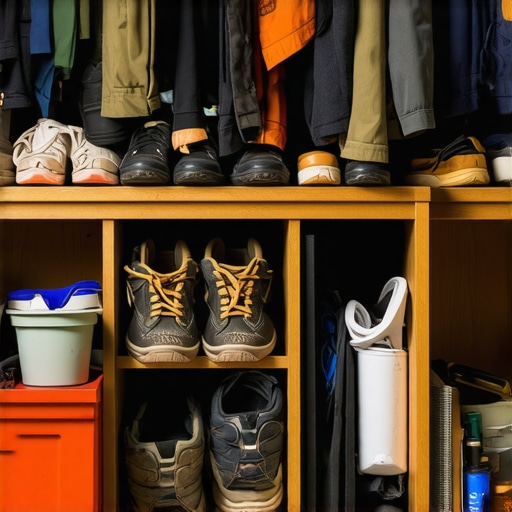
Junk Removal Aurora services focus on the mudroom because it represents the highest density of transit friction in a suburban home. This space serves as the primary airlock between the Fox Valley elements and your interior living environment. Effective removal requires identifying high-volume debris like salt-corroded shelving and water-logged textiles.
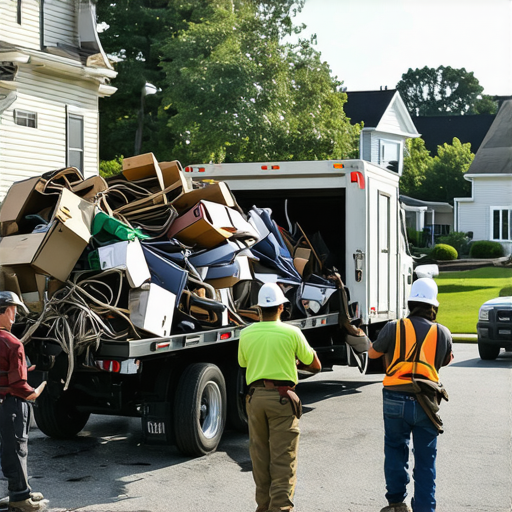
I watched a rookie almost lose his eyebrows because a customer hid a half-full propane tank inside a pile of harmless yard waste. We do not just lift. We inspect. Every. Single. Item. This rule applies doubly to mudrooms. These areas often hide forgotten chemicals under the sink or pressurized canisters in the back of the coat closet. In Aurora, the temperature fluctuations cause these containers to degrade faster. A leaking canister of starter fluid in a 15-yard truck is a ticking bomb. We look for the telltale signs of corrosion on every metal surface. If we see a rusted bottom on a can, it gets isolated. No exceptions. No shortcuts. The truck is a mobile laboratory of potential reactions. We manage those reactions with strict inventory protocols. The physics of the load dictates that the heaviest, most stable items form the base. This usually means the old mudroom benches or heavy cabinetry. We cube out the truck by filling the gaps with soft goods like old winter coats or rugs. This prevents load shift during transport on Orchard Road or Route 59. Load shift causes accidents. Accidents cause delays. Delays cost money at the transfer station. Every cubic yard of air left in that truck is profit bleeding out of the tailgate. We pack until the hydraulic lines hum.
The physics of the mudroom load
Furniture removal in a mudroom context requires calculating the structural load of items that have absorbed years of local humidity. A typical particle-board bench can double its weight through moisture absorption. This makes it a high-density waste item that requires specific handling to avoid floor damage during the extraction phase.
“Waste is merely a resource in the wrong place; professional removal is the science of putting it back where it belongs.” – Disposal Industry Maxim
When we pull a built-in cabinet from an Aurora mudroom, we are fighting the house. The screws are often rusted into the studs. The wood is swollen. We use leverage points that protect the surrounding drywall while maximizing the force applied to the fasteners. This is not just a demolition. It is a surgical extraction. We track the weight of every piece. The tipping fees at the local transfer station are based on tonnage. If we miscalculate the weight of a water-logged rug, the margin on the job evaporates. We see the difference between dry oak and wet MDF instantly. One is a manageable asset. The other is a heavy liability that takes up more weight than its volume suggests. We use 15-yard and 20-yard bins for these purges. The 20-yard bin is the workhorse of the Aurora suburbs. It offers the best ratio of footprint to volume. We place it on planks to protect your driveway from the sheer pressure of the steel rollers. The asphalt in Illinois is soft in the summer. A loaded dumpster can sink three inches into a driveway if you do not spread the load.
Hazardous materials hiding in plain sight
Appliance removal and chemical disposal in Aurora must follow strict Illinois EPA guidelines to prevent groundwater contamination. Mudrooms often store old paint, cleaning solvents, and automotive fluids that cannot go into a general landfill. Identifying these items early prevents legal penalties and environmental damage for the homeowner.
| Material Type | Decomposition Time | Disposal Method |
|---|---|---|
| Untreated Wood | 10 to 15 Years | Mulching or Incineration |
| Synthetic Rugs | 50 to 100 Years | Landfill or specialized fiber recovery |
| Lead-Acid Batteries | Indefinite | Mandatory EPA recycling center |
| Latex Paint | N/A (Liquid) | Solidification or hazmat collection |
| Steel Brackets | 20 to 50 Years | Scrap metal reclamation |
The Resource Conservation and Recovery Act (RCRA) defines what we can and cannot haul. If you have a pile of old car batteries in the corner of the mudroom, we cannot just throw them in with the old sneakers. Those batteries contain sulfuric acid and lead. If they crack in the truck, the acid eats through the steel floor. It creates a hazmat situation on the street. We handle these items separately. We document the transfer. Your junk is your liability until it hits the scale. If a guy with a pickup truck dumps your old oil cans in a ditch, the EPA tracks that back to you. We provide the paper trail that proves the waste reached a licensed facility. Professionalism is about the manifest. It is about knowing that the items we take from Aurora end up in the right stream. We divert as much as possible to the recycling centers on the south side of town. Metal goes to the scrap yard. Clean wood goes to the mulch pile. Only the true trash hits the landfill face.
Local dumping laws and the Aurora liability trail
Hoarder clean out Aurora projects often involve thousands of pounds of mixed materials that require on-site sorting to remain compliant with municipal codes. Failure to separate metals from organic waste can result in rejected loads at the transfer station. This adds significant labor costs and transport time to the project.
- Lithium-ion batteries from old cordless tools.
- Unused pressurized aerosol cans including spray paint.
- Containers holding liquid oil, gas, or unknown chemicals.
- Industrial grade cleaning solvents with high VOC content.
- Biological waste or items contaminated with mold.
- Tires and large rubber automotive components.
“Landfills are not bottomless pits; they are highly engineered structures that require precise inputs to maintain environmental safety.” – SWANA Waste Management Guidelines
The city of Aurora has specific bulky item pickup schedules, but they often leave half the pile on the curb if it is not bundled correctly. We see this every week. A homeowner puts out an old sofa and a pile of wood. The city takes the sofa and leaves the wood because it has nails in it. Now the homeowner has a code violation and a pile of rotting lumber. We step in to solve that problem. We take the whole pile. We clean the site. We leave the driveway better than we found it. We use high-powered magnets to sweep for stray nails. If you have kids or pets, one missed nail is a trip to the emergency room. We do not miss. The logistics of a clean site are as vital as the logistics of a full truck. We look at the mudroom as a puzzle. Every piece has a place. The heavy boots go in the corners. The metal racks go against the walls to provide structural support for the lighter bags on top. We maximize the density. Higher density means fewer trips. Fewer trips mean lower costs for the client. It is simple math applied to complex junk.
The heavy cost of keeping everything
Garage clean outs and mudroom purges often reveal structural issues like dry rot or mold growth that was hidden by the clutter. Removing the junk is the first step in home maintenance. It allows for a clear inspection of the foundation and framing members which are vital for the home’s longevity.
The weight of a hoarded mudroom can reach several thousand pounds. This is not an exaggeration. We have cleared rooms where the stacks of old magazines and damp clothes weighed more than a compact car. This weight sits on your floor joists. It creates a constant stress on the house. When we remove that load, the house actually shifts. You might hear the wood groan as the tension is released. We take that weight and turn it into data. We weigh the truck empty. We weigh it full. The difference is the impact we removed from your life. The local Aurora transfer stations see our trucks coming. They know we pack clean. They know we do not hide hazardous items in the middle of the load. That reputation saves time. We get through the scales faster because we are trusted. That speed is passed on to you. If we spend three hours at the landfill because they have to inspect our entire load for hidden batteries, that is three hours we are not working for you. We maintain our integrity to maintain our efficiency. It is the only way to survive in this industry for twenty-five years. We have seen the curbside cowboys come and go. They dump in the woods. They get fined. They disappear. We are still here. We know the rules. We follow the manifests. We protect your property and your legal standing. The mudroom is the start. The garage is next. We handle the heavy lifting so you do not have to worry about the liability.