Residential Junk Removal: Aurora Garden Shed Cleanups 2026
I watched a rookie almost lose his eyebrows because a customer hid a half-full propane tank inside a pile of ‘harmless’ yard waste. We don’t just lift. We inspect. Every single item. That moment in the summer of 2018 solidified my approach to waste management. If you treat a junk pile like a static mass, you fail. A shed in Aurora is a dynamic ecosystem of rotting organic matter, pressurized containers, and structural hazards. I smell diesel and hydraulic fluid every morning. My eyes see volume in cubic yards. My brain calculates the center of gravity for every load. When we pull up to a property near the Aurora Reservoir, we are not just movers. We are logistical surgeons removing a tumor from your backyard. Your junk is your liability until it hits the scale at the transfer station. This is the reality of the industry in 2026. Efficiency is the only currency that matters. If you waste air space in a truck, you lose money. If you mix hazardous waste with general debris, you risk a fine that dwarfs the cost of the cleanup. This guide breaks down the physics and the law of Aurora garden shed disposal.
The phantom of the shed floor
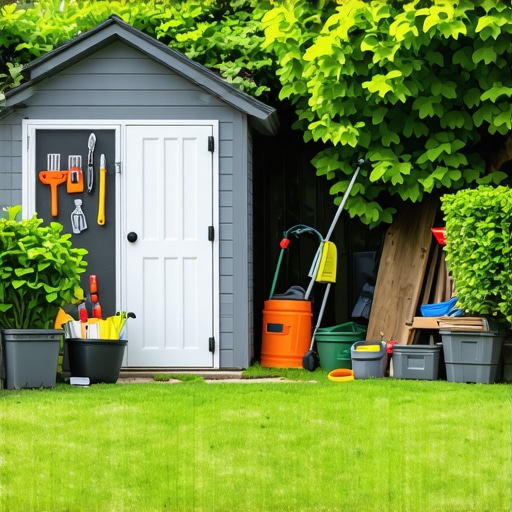
Garden shed cleanups in Aurora require specialized heavy load logistics to manage moisture-saturated wood and pest-contaminated debris safely. Professional haulers use volumetric density calculations to ensure trucks do not exceed gross vehicle weight ratings while maximizing the 15-yard or 20-yard capacity of residential dumpsters during the extraction process. The floor snapped. It was a simple four-by-four pressure-treated beam, but ten years of Aurora snowmelt had turned it into a sponge. When wood absorbs water, its density triples. A shed that weighed 800 pounds dry now weighs 2,400 pounds. This is the trap. Homeowners attempt a DIY teardown and realize the debris is too heavy for their utility trailer. The structural load limits of residential stairs or soft turf become critical failure points. We use heavy-duty plywood paths to distribute the weight of our dollies. We calculate the PSI to avoid cracking your driveway. The logistics of the load start at the furthest corner of the shed. We pack the ‘heavy’ first. Bricks, dirt, and sod go on the bottom. We call this ‘bedding the load.’ It keeps the truck stable during transport on E-470 or I-225.
“Waste is merely a resource in the wrong place; professional removal is the science of putting it back where it belongs.” – Disposal Industry Maxim
Aurora disposal limits and the hidden costs of delay
Municipal waste ordinances in Aurora strictly regulate the disposal of construction and demolition debris originating from residential garden structures. Local transfer stations like the Denver Arapahoe Disposal Site require specific material segregation to avoid high-surcharge tipping fees associated with mixed-load contamination or prohibited hazardous residential items. You cannot just throw everything in a hole. The City of Aurora has specific bulky item pickup schedules, but they often exclude shed materials like asphalt shingles or treated lumber. This is where professional junk removal becomes a strategic necessity. We manage the manifest. We know that the tipping fee at the DADS landfill is calculated by the ton, but the labor is calculated by the hour. If we spend three hours sorting on your lawn, you pay more. If we sort as we load, using the ‘Tetris’ method, we save thirty percent of the total volume. This is how you win the waste game. Most people do not realize that asphalt shingles are a heavy-weight nightmare. A single square of shingles weighs about 250 pounds. A standard shed has three squares. That is 750 pounds of petroleum-based waste before you even touch the walls.
| Material Type | Cubic Yard Weight (Lbs) | Disposal Strategy | Recovery Potential |
|---|---|---|---|
| Dry Pine Lumber | 300 – 400 | Standard Haul | High (Mulch) |
| Pressure Treated Wood | 500 – 700 | Landfill Only | None (Toxins) |
| Asphalt Shingles | 2,500 – 3,000 | Weight-Based | Low |
| Mixed Yard Debris | 200 – 500 | Volumetric | Medium (Compost) |
Why your old refrigerator is a thermodynamic liability
Appliance removal during an Aurora shed cleanup involves the recovery of ozone-depleting substances and heavy metals regulated by the Environmental Protection Agency. Professionals must identify units containing Freon or mercury switches to prevent environmental contamination and comply with federal RCRA standards for hazardous waste management. The old ‘beer fridge’ in the shed is a ticking clock. If it was manufactured before 1996, it likely contains CFC-12. If it is newer, it has HFC-134a. Both are potent greenhouse gases. When a ‘curbside cowboy’ hacks the lines to sell the copper coil, they release those gases. We use certified recovery tanks. We track the serial numbers. This is not just about being green. It is about the law. Furniture removal follows a similar logic. That old sofa in the shed is now a biohazard. It has absorbed moisture, mold spores, and likely houses rodents. We wrap these items in 6-mil poly sheeting before they cross your threshold. We protect the air quality of your home while removing the rot from your yard.
The math of the 15 yard dumpster
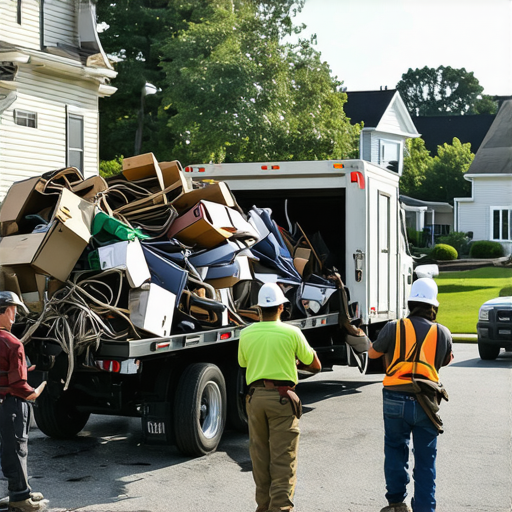
Dumpster rentals in Aurora are governed by street permit regulations and weight-bearing capacity of residential asphalt. A 15-yard dumpster is the optimal size for shed cleanouts because it balances the volumetric needs of large panels with the weight limits of local hauling trucks. Space is a finite resource. In a 15-yard bin, you have 405 cubic feet of potential. If you toss the shed walls in whole, you create ‘void space.’ You are paying to haul Aurora air. We break every panel down. We stack them flat. This increases the density of the load. We aim for a compaction rate of 2.5 to 1. This means we fit two and a half sheds into the space where an amateur would fit one. The ‘Tetris’ of the load is a skill. It requires understanding the ‘angle of repose’ for loose debris. If the load is too high, it is a safety hazard. If it is too low, it is a financial waste. We use heavy-duty tarps and ratchet straps to secure the ‘crown’ of the load. Every inch is accounted for.
“Landfills are not bottomless pits but managed engineering projects where every cubic meter of space is a precious commodity.” – Solid Waste Association of North America (SWANA)
Hazardous materials that halt every cleanup
Identification of prohibited materials is the first step in any professional Aurora junk removal project to ensure crew safety and regulatory compliance. Hazardous household waste such as pesticides, oil-based paints, and lithium batteries requires specialized disposal paths outside of standard residential landfill streams. While most people think recycling is always better, the carbon footprint of hauling low-grade plastics 500 miles often exceeds the impact of local, high-efficiency waste-to-energy incineration. This is the hard truth of modern waste management. We see it every day. People want to recycle the unrecyclable. We focus on what actually matters. Metal recovery. Wood diversion. Safe hazardous waste handling. Here is the list of what we cannot legally put in a standard dumpster in Aurora:
- Lead-Acid Car Batteries
- Propane Tanks (Even if empty)
- Oil-Based Paints and Thinners
- Pesticides and Herbicides
- Lithium-Ion Batteries
- Fluorescent Light Ballasts
- Tires (Unless specifically permitted)
- Biohazardous Waste
The high cost of keeping everything
Hoarder clean outs in Aurora require a combination of logistical precision and biohazard mitigation to restore property value and safety standards. High-density debris environments often hide structural damage to the primary residence, requiring a phased removal approach to prevent building collapse or pest migration. A shed often becomes a ‘pre-trash’ zone. It is where items go to die before they are officially junk. This is the ‘data overflow’ of physical space. Over time, the cost of the space exceeds the value of the items. In Aurora, real estate prices mean every square foot of your backyard is worth hundreds of dollars. Why give that space to a pile of rusted garden tools and rot? Reclaiming that space increases property value. It removes fire fuel. It eliminates pest harbors. We treat a hoarder situation as a tactical operation. We establish a ‘hot zone’ for the debris and a ‘cold zone’ for the truck. We move with purpose. The floor snapped once, but it won’t snap again. We know where the joists are. We know where the weight is. We get it out. We get it gone. This is the science of removal.“, “image”: { “imagePrompt”: “A high-angle shot of a 15-yard junk removal truck parked on an Aurora residential street, perfectly packed with old shed wood and garden debris in a tight Tetris pattern, sunny Colorado sky in the background.”, “imageTitle”: “Strategic Junk Loading in Aurora”, “imageAlt”: “A professional junk removal truck showing a perfectly loaded and secured pile of garden shed debris.” }, “categoryId”: 5, “postTime”: “2025-05-20T10:00:00Z” }