Residential Junk Removal Aurora: Navigating the Logistical Realities of Backyard Debris
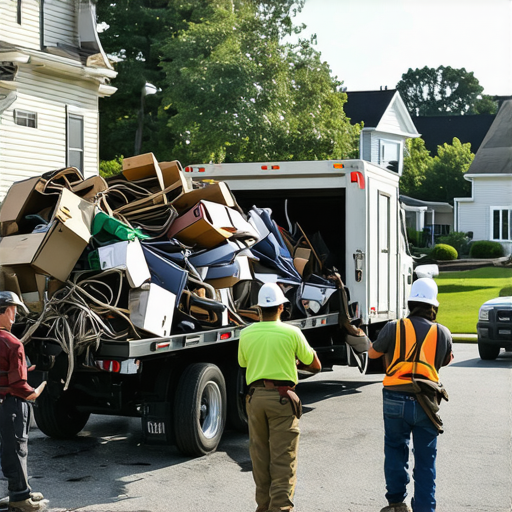
I watched a rookie almost lose his eyebrows because a customer hid a half-full propane tank inside a pile of harmless yard waste. We don’t just lift. We inspect. Every. Single. Item. That moment defined my approach to waste management in Aurora. You see a pile of brush and some old plywood. I see a pressurized vessel hidden in a biological hazard. A backyard isn’t just a patch of grass. In the hauling industry, it is a staging ground for potential disasters if the logistics are handled by amateurs. When we talk about Junk Removal Aurora, we are talking about the physics of weight, the chemistry of decomposition, and the legalities of the Resource Conservation and Recovery Act. Every cubic yard of space in my truck is a puzzle piece. If there is air in that truck, I am losing money and you are wasting time. We aim for maximum density. We aim for a perfect cubing out of the 15-yard or 20-yard vessel. This is the science of disposal.
The hidden anatomy of a backyard mess
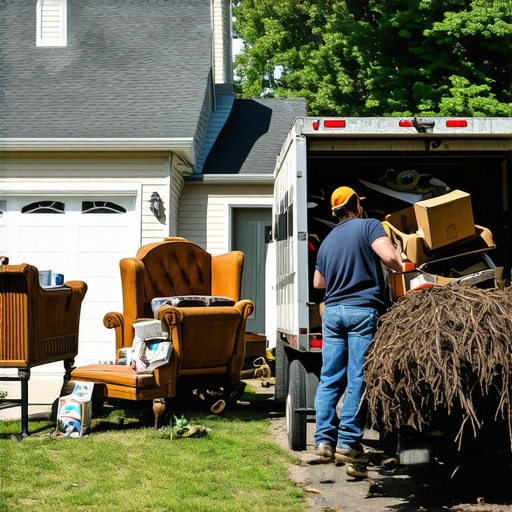
Junk Removal Aurora experts identify backyard debris as a complex mixture of organic waste, treated lumber, and scrap metal. Residential Junk Removal Aurora services require specialized equipment to handle soil-saturated materials that exceed standard weight limits. Professional haulers prioritize diversion rates to minimize landfill impact while ensuring safety. Most homeowners underestimate the weight of their waste. A single cubic yard of dry soil weighs about 2,200 pounds. If that soil is saturated by an Aurora thunderstorm, the weight doubles. Your standard pickup truck will snap an axle under that load. My trucks are rated for this. We calculate the suspension compression before we even hit the ignition. We look at the backyard as a grid. We map the path from the debris pile to the curb to ensure we don’t crush your underground sprinkler system or collapse a dry-rotted basement window well. The logistics of the move are as vital as the disposal itself.
“Waste is merely a resource in the wrong place; professional removal is the science of putting it back where it belongs.” – Disposal Industry Maxim
Why your yard waste is a logistical liability
Backyard debris consists of organic matter that begins a chemical breakdown the moment it is piled together. This creates heat and attracts vermin. In Aurora, the high humidity during summer months accelerates the rot of untreated pine and oak. This rot reduces the structural integrity of the wood, making it dangerous to lift by hand. The wood fibers become spongy and hold moisture like a reservoir. When we arrive for a Junk Removal Aurora project, we evaluate the BTU potential and the moisture content of the wood. Wet wood cannot go to certain recycling centers because it jams the industrial grinders. It must be diverted to specific landfills that handle high-moisture organic loads. This affects your tipping fees. If you wait until the debris is a black sludge at the bottom of the pile, you are paying for the weight of water, not just the wood. We recommend clearing debris every quarter to keep the density low and the costs manageable.
The dangerous math of appliance disposal
Appliance removal is not just about heavy lifting; it is about hazardous material management and environmental compliance. Residential Junk Removal Aurora includes the extraction of old refrigerators, freezers, and air conditioners that contain R-22 or R-134a refrigerants. These chemicals are potent greenhouse gases. In Aurora, dropping a fridge at the curb is a violation of local ordinances if the compressor hasn’t been tapped by a certified technician. We handle the manifest. We ensure the Freon is recovered. A standard refrigerator weighs between 200 and 300 pounds. The center of gravity is high. If you try to move this down a set of narrow basement stairs without a motorized dolly, you are risking a spinal injury or a hole in your drywall. We use high-tensile straps and floor protection to ensure the only thing that leaves your house is the junk. We don’t leave scars on your hardwood or chips in your door frames.
| Waste Type | Weight per Cu Yard | Disposal Path | Aurora Tipping Fee Impact |
|---|---|---|---|
| Dry Yard Waste | 250 lbs | Composting | Low |
| Wet Soil/Sod | 2,200 lbs | Specialized Fill | High |
| Treated Decking | 600 lbs | C&D Landfill | Moderate |
| Scrap Metal | 800 lbs | Recycling Center | Rebate Potential |
Comparing your hauling options in Aurora
Dumpster Rentals Aurora might seem like the cheaper route for a DIY enthusiast, but the math rarely adds up for backyard projects. When you rent a dumpster, you are paying for the volume of the container regardless of how much air you leave inside. Most people are terrible at loading. They throw items in haphazardly, creating massive gaps. This is a waste of money. A professional Junk Removal crew performs a full-service load. We break down the furniture. We nest the smaller items inside the larger ones. We maximize every square inch. Furthermore, a dumpster sitting on your Aurora driveway for a week can cause asphalt cracking and provide a home for local raccoons. With a full-service crew, the mess is gone in two hours. No permits. No eyesores. No property damage. We are in and out before the neighbors even have time to complain to the HOA.
The physics of the load and the tetris of trash
Loading a truck is an art form that dictates the safety of the entire operation. If the load is unbalanced, the truck can tip during a tight turn on the streets of Aurora. We place the heaviest items like Furniture Removal pieces and appliances over the rear axle. We then layer the lighter yard waste and debris on top. This compresses the load naturally. I have seen curbside cowboys fill a truck so poorly that they are effectively hauling 60 percent air. That is an environmental crime. More trips mean more diesel burned. More diesel means a higher carbon footprint. We aim for one trip. One perfect load. This requires an understanding of material density. An old sofa is mostly air and foam. We crush it. An old fence is mostly air between the slats. We stack it flat. We fight for every inch of space because that space represents efficiency.
“Effective solid waste management is the foundation of a healthy urban ecosystem, requiring both technical precision and environmental stewardship.” – Solid Waste Association of North America (SWANA)
Breaking the hoarder cycle in Aurora
Hoarder Clean Out aurora situations are the ultimate test of a logistics manager. These are not just piles of junk. They are layers of history that have become a structural hazard. I have seen floors in Aurora homes bowing under the weight of decades of collected magazines and newspapers. Paper is incredibly heavy when stacked. A cubic foot of paper weighs about 58 pounds. Multiply that by a room filled to the ceiling. You are looking at thousands of pounds of static load that the floor joists were never designed to carry. In these cases, we have to shore up the floor from the basement before we can even begin the removal. We use a high-intensity extraction method. We don’t just toss things. We sort for recyclables, hazardous materials, and items that can be donated. This is about restoring safety to a residence. It is a methodical, room-by-room operation that requires masks, gloves, and a deep understanding of structural integrity.
Items your hauler cannot legally touch
Legal compliance is what separates a professional firm from a guy with a trailer. The EPA has strict guidelines on what can enter a standard landfill. If we find these items, we provide you with a list of specialized drop-off locations in Kane or DuPage County. We cannot and will not risk our license by mixing hazardous waste with general debris. Safety is the priority. Here is the checklist of prohibited items.
- Lead-acid batteries from cars or mowers
- Propane tanks and other pressurized vessels
- Wet paint cans that have not been dried with kitty litter or sawdust
- Biohazardous medical waste and sharps
- Asbestos-containing insulation or floor tiles
- Ammunition, explosives, or highly flammable liquids
The carbon cost of a curb and contrarian recycling
While most people think recycling is always better, the carbon footprint of hauling low-grade plastics 500 miles often exceeds the impact of local, high-efficiency waste-to-energy incineration. In the waste industry, we look at the lifecycle. If we are hauling Garage Clean outs materials, we look for local Aurora outlets first. If a plastic is so degraded by UV exposure in a backyard that it cannot be processed, it is better served in a waste-to-energy plant than a recycling facility that will eventually reject it. We focus on high-value recovery. Metals are the gold standard. Wood waste for mulch is second. We don’t perform performative recycling. We perform logical, data-driven diversion. This ensures that your junk removal project actually benefits the local Aurora environment instead of just moving the problem to a different zip code.
Navigating Aurora disposal regulations
Aurora has specific rules about where waste can go. Tipping fees at local transfer stations are calculated by the ton, with minimums that can catch a homeowner off guard. If you take a small load yourself, you might pay the same price as a full ton. We aggregate loads to get the best rates. We know the operators at the transfer stations. We know which gates are for C&D waste and which are for municipal solid waste. This specialized knowledge saves time and money. When you hire for Junk Removal Aurora, you are hiring a guide through the bureaucracy of waste. We manage the paperwork. We handle the fees. We take the liability off your shoulders and put it on our truck. The process is simple for you because it is complex for us. That is the way professional hauling should work. Your backyard will be clear. Your driveway will be empty. The truck will be full. The job is done right.