The structural hazard of deep accumulation
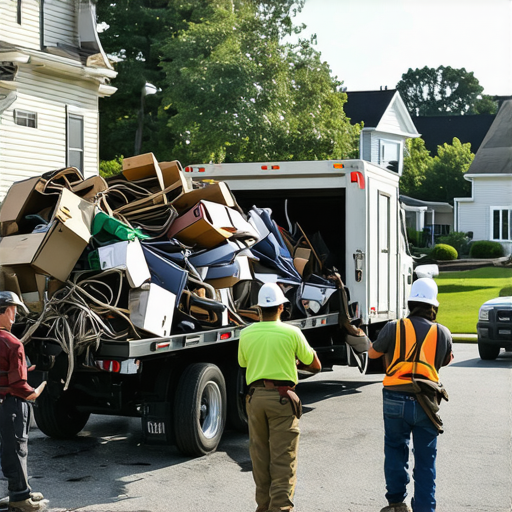
Hoarder clean out Aurora services involve the removal of massive quantities of biological and physical debris to restore a property to a safe state. This specialized logistical operation requires structural assessments, heavy load equipment, and knowledge of Illinois waste management statutes. Professional crews focus on clearing egress paths and mitigating fire hazards through rapid debris evacuation.
I once cleared a house where the junk wasn’t just stuff. It was a structural hazard. We found the floor joists were bowing under the weight of 40 years of newspapers that had absorbed ten years of basement humidity. The paper had turned into a solid, damp block of cellulose. It weighed four times what dry newsprint weighs. We had to shore up the basement with jacks before we could even begin to shovel it out. This is the reality of extreme hoarding. It is not about tidying up. It is about engineering. Every cubic yard of compressed waste exerts pressure on the floorboards. When that waste gets wet, the weight doubles. The physics of the building change. Residential structures are not built to hold the weight of a library in every room. We use moisture meters to check if the hoard has become a sponge. If the moisture levels are too high, we bring in heavy duty fans before the haul. We monitor the load. We listen for the house to groan. This is why amateurs fail. They do not see the math of the weight.
Systematic logistics for Aurora hoard recovery
Junk removal Aurora projects require a deep understanding of local tipping fees and material diversion rates at transfer stations like those found near the Orchard Hills Landfill. Efficient removal depends on the Tetris of the truck bed and the segregation of hazardous materials. Proper logistics ensure that the maximum amount of material is diverted from the landfill.
“Waste is merely a resource in the wrong place; professional removal is the science of putting it back where it belongs.” – Disposal Industry Maxim
The logistics of a hoard are complex. We track the volume in cubic yards. A standard dump truck holds about 14 to 15 cubic yards. A hoard can easily fill ten of those. We plan the route to avoid the heavy traffic on Eola Road. We look at the narrow driveways in the older neighborhoods of Aurora. A 20 yard dumpster will sink into soft asphalt. We use plywood sheets to distribute the weight. We calculate the density of every load. Heavy debris like wet carpet and soaked drywall goes on the bottom. Light debris like empty plastic containers goes on top. This is how we cube out a truck. We do not leave air gaps. Air gaps are lost profit. Air gaps are inefficient. We pack the truck until the hydraulic lift feels the strain. We check the tire pressure. We know that every trip to the transfer station costs time and fuel. We minimize the trips. We maximize the load.
Furniture removal and the physics of the load
Furniture removal in Aurora demands specialized lifting techniques and toolsets to dismantle oversized items that cannot fit through standard doorways. Many modern pieces of furniture use composite materials that break during transport, creating sharp edges and fine dust hazards. Professionals use dollies, straps, and ramps to move these heavy loads without damaging the property.
| Material Type | Decomposition Time | Disposal Complexity |
|---|---|---|
| Untreated Wood | 2 to 5 Years | Low (Mulch) |
| Particle Board | 20 to 30 Years | Medium (Glues) |
| Synthetic Fabrics | 40 to 100 Years | High (Landfill) |
| Steel Frames | 50 to 100 Years | Medium (Scrap) |
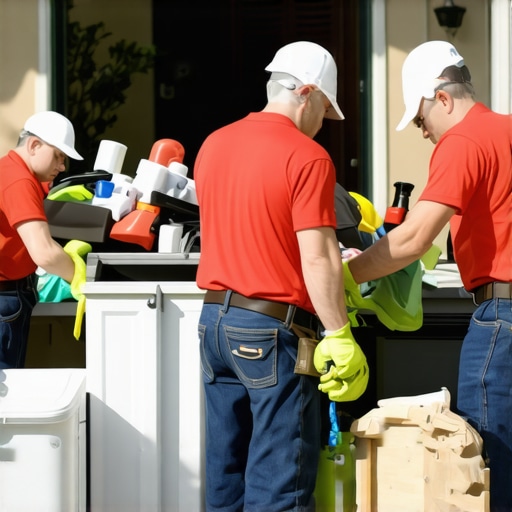
The furniture today is different. It is mostly sawdust and glue. It is heavy but fragile. When we handle furniture removal, we look at the joints. We look at the weight of the upholstery. A sofa that has been in a hoarded environment can weigh three times its original weight. It has absorbed odors, moisture, and pests. We wrap it in plastic before it leaves the room. This prevents the spread of contaminants. We do not drag it. Dragging ruins the subfloor. We lift with our legs. We use shoulder dollies for the heavy oak pieces. Old furniture has value in its wood, but the cost of refinishing often exceeds the cost of a new piece. This is the throwaway culture at work. We see the waste every day. We see the thousands of tons of particle board that will never rot in our lifetime. It sits in the landfill forever. We try to find the steel. We separate the metal. Metal is a resource. Wood is a resource. Glue is a burden.
Dumpster rentals Aurora and the permit trap
Dumpster rentals Aurora options vary based on the duration of the project and the specific weight limits allowed by local ordinances in Kane County. Placing a dumpster on a public street often requires a city permit and specific reflective marking for night safety. Choosing the wrong size dumpster leads to overage fees and dangerous overloading scenarios.
People think a dumpster is a simple box. It is not. It is a legal liability. If you overfill it, the driver will not pick it up. If it is too heavy, it will crack your driveway. We see it all the time. A homeowner rents a 10 yard bin for a garage clean out and fills it with concrete. The truck arrives. The hydraulics fail. The concrete sits there. You must understand the weight. Concrete weighs about 4,000 pounds per cubic yard. A 10 yard dumpster of concrete is 40,000 pounds. That is too much for a residential truck. We tell our clients to stick to the line. The fill line is there for a reason. In Aurora, the wind can be a problem. Loose debris flies out of open bins. We use heavy duty tarps. We secure the load. We know the laws of the road. We know that the police in Aurora will stop a truck that is dropping trash on the highway. We are professional. We are careful. We are precise.
Appliance removal and chemical containment protocols
Appliance removal involves the safe extraction of heavy white goods while ensuring that hazardous refrigerants and electrical components are handled according to EPA Section 608 regulations. Refrigerators, freezers, and air conditioners contain gases that must be recovered by certified technicians before the metal can be recycled.
“Effective waste management begins with the understanding that every cubic yard of material has a lifecycle cost that must be managed with precision.” – Solid Waste Association of North America
The old fridge in the basement is a bomb. It contains R-12 or R-22 refrigerant. These are greenhouse gases. You cannot just cut the lines. It is illegal. It is wrong. We use recovery machines. We pull the gas into cylinders. We label them. We take them to a certified reclaimer. Then we look at the compressor. The compressor has oil. The oil has chemicals. We drain the oil. Then we take the steel. This is the process. A lot of people try to save money by calling a guy with a truck. That guy dumps the fridge in a ditch after venting the gas. The owner of the fridge is still liable. If the serial number is traced, the fine is thousands of dollars. We provide the manifest. We show you that the appliance was disposed of legally. We handle the stoves, the washers, and the dryers. We know the weight of a cast iron tub. We know how to break it down with a sledgehammer. We move the heavy things so you do not have to. We move them safely.
Garage clean outs to save the foundation
Garage clean outs often reveal hidden structural damage caused by long term storage of heavy items and chemical leaks. Fluids from old vehicles and lawn equipment can seep into concrete, causing degradation and environmental hazards. Clearing these spaces allows for a proper inspection of the slab and the load bearing walls.
- Lead-acid batteries from old cars.
- Unlabeled pesticides and fertilizers.
- Propane tanks with faulty valves.
- Used motor oil in plastic jugs.
- Compressed gas cylinders.
- Old cans of oil-based paint.
The garage is the lungs of the house. If it is full of junk, the house cannot breathe. We find the oil leaks. We find the gas cans. These are fire hazards. While most people think recycling is always better, the carbon footprint of hauling low-grade plastics 500 miles often exceeds the impact of local, high-efficiency waste-to-energy incineration. This is the truth nobody wants to hear. Sometimes, the best thing for a piece of contaminated junk is the furnace. We evaluate the items. We look for the hazardous surprise. I once saw a rookie almost lose his eyebrows because a customer hid a half-full propane tank inside a pile of harmless yard waste. We don’t just lift. We inspect. Every. Single. Item. We look for the sign of a leak. We look for the smell of gas. We clear the space. We sweep the floor. We give the homeowner their garage back. We give them peace of mind. We take the load to the scales. We pay the tipping fees. We do the work right.
The financial drain of unmanaged waste
Junk removal is an investment in the equity of a property. A hoarded home or a cluttered garage decreases the market value of a residence by tens of thousands of dollars. By hiring a professional service, the owner avoids the physical risk of injury and the legal risk of improper disposal.
The cost of junk is more than the fee we charge. It is the cost of the space you cannot use. It is the cost of the rats that live in the hoard. It is the cost of the mold that grows in the damp paper. In Aurora, the property values are rising. A clean house sells. A dirty house sits. We see the hoarders who are losing their homes because of the junk. We come in. We work hard. We fill the trucks. We take the load to the transfer station. We watch the scales. We see the weight of a lifetime of bad choices. We clear it all away. We leave the space empty. We leave the space ready for a new start. The floor holds. The air is clean. The junk is gone. This is the science of waste management. This is the art of the load. We are the masters of the heavy lift. We are the protectors of the local environment. We do not stop until the job is done. The trucks are ready. The crew is ready. We move the world one cubic yard at a time. Junk removal is not just a job. It is a necessity in a world that buys too much and keeps too long. We are the solution to the overflow.
Reading about the structural hazards involved in hoarder clean outs really underscores the importance of professional expertise. I once learned the hard way why it’s crucial to assess moisture levels and load weights before starting any heavy removal, especially in older houses. It’s not just about clearing space; it’s about ensuring safety and preventing structural collapse. From my experience volunteering in community cleanup projects, I’ve noticed that many homeowners underestimate the complexity and risks involved, which can lead to costly damages or injuries. I’m curious—what are some of the best ways to prepare a property before professional cleanup begins to minimize these risks? Are there specific signs homeowners should look for that indicate their house might be at risk before the professionals arrive? It seems like a thorough initial assessment can save a lot of trouble later.