The Logistics of Moving Mass in Aurora
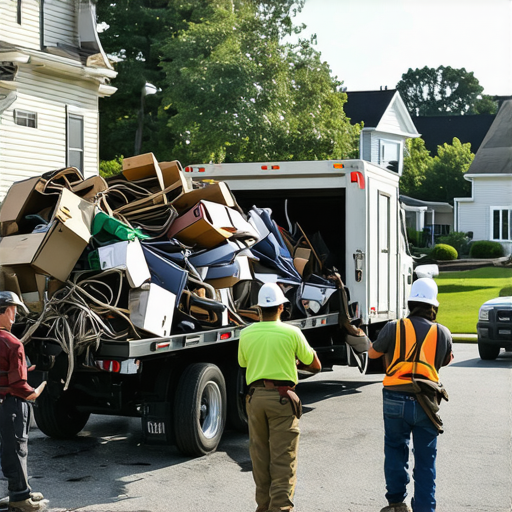
Aurora waste management is not a game for amateurs. You look at a garage full of old boxes and see a weekend of work. I look at that same pile and see three hundred cubic feet of uncompressed debris that requires a specific logistical path to the transfer station. The smell of diesel and hydraulic fluid is the scent of a job done right. Most people do not understand that Junk Removal Aurora is a science of volume and weight. If you load a truck poorly, you are hauling air. Hauling air is how companies go bankrupt. It is also how customers get overcharged. We calculate the density of every load. We look at the tare weight. We ensure that every square inch of the truck is packed to prevent shifting during transport. This is the professional standard that separates the veterans from the curbside cowboys who disappear when the tipping fees get too high.
The high price of wasted truck space
Every cubic yard in a removal truck has a fixed cost. This cost includes fuel, insurance, labor, and the eventual disposal fee at a site like the Denver Regional Landfill or local Aurora transfer stations. When a crew does not know how to cube out a truck, they leave money on the table. They leave your money on the table. Professional Junk Removal requires a specific sequence of loading. Heavy items like refrigerators go over the axles. Soft items like mattresses fill the gaps. Broken down cardboard creates the walls. It is a physical puzzle. The goal is to reach maximum density without exceeding the gross vehicle weight rating. If we hit the weight limit before the volume limit, the math changes. This is why technical expertise in loading is the most important part of the job. A local crew knows the exact physics of the local streets. They know which Aurora neighborhoods have tight turns that require smaller, more agile 10-yard trucks versus the standard 15-yard bins.
“Waste is merely a resource in the wrong place; professional removal is the science of putting it back where it belongs.” – Disposal Industry Maxim
Why your cheap hauler is a legal time bomb
A business owner tried to save 500 dollars by hiring a guy with a pickup truck from a social media ad. Two weeks later, the police called him because his company’s confidential files were found in a ditch. Your junk is your liability until it hits the scale. This is the reality of the industry. When you hire an unlicensed hauler, you are responsible for where that waste ends up. If they dump a lead-acid battery in a local Aurora creek, the EPA does not go after the guy in the pickup. They go after the person who generated the waste. This is the Resource Conservation and Recovery Act in action. Professional crews provide a manifest. They provide a receipt from the transfer station. They take the liability off your shoulders. We track every pound. We know exactly which pile of debris went to the recycling center and which went to the high-efficiency waste-to-energy plant. Risk management is the hidden service you pay for when you hire a legitimate company.
The specific physics of furniture removal
Furniture Removal is a structural engineering challenge. A standard sleeper sofa can weigh three hundred pounds. It is dead weight. It is awkward. It has a high center of gravity. Moving this down a flight of stairs in an Aurora townhouse requires an understanding of pivot points and load distribution. We do not just lift. We calculate the angle of the turn. We protect the drywall. We protect the hardwood. If a crew shows up without straps and dollies, they are not professionals. They are a liability. We often see injuries from DIY attempts. The human spine was not designed to twist while carrying a solid oak dresser. We use mechanical advantages. We use ramps. We use the laws of physics to ensure the item reaches the truck without damaging the home or the crew. This is the zooming reality of the work. Every stair riser is a potential point of failure. Every doorway is a bottleneck that must be managed with precision.
Navigating Aurora disposal regulations
In Aurora, the rules change based on the material. You cannot just throw a television in the trash. Electronic waste contains mercury and lead. It requires a specialized recycling stream. The same applies to Appliance removal. Older units contain refrigerants like Freon. If you vent that into the atmosphere, you are breaking federal law. We use specialized recovery equipment. We ensure the chemicals are drained before the metal is scrapped. The local municipal bulky item pickup schedule is often too slow for a major cleanout. They have limits on volume. They have limits on weight. A professional team bypasses these hurdles. We have the permits. We have the accounts at the disposal sites. We handle the paperwork so you do not have to worry about the legalities of a Hoarder Clean Out aurora project or a simple garage sweep.
| Material Type | Decomposition Time | Recycling Potential |
|---|---|---|
| Corrugated Cardboard | 2 Months | High |
| Aluminum Cans | 200 Years | Infinite |
| Plastic Furniture | 450 Years | Low |
| Glass Bottles | 1 Million Years | High |
| Treated Lumber | 15 Years | None |
The heavy burden of appliance disposal
Appliance removal is about more than just muscle. It is about environmental compliance. Every refrigerator or air conditioner we pull from an Aurora basement is a chemical puzzle. The EPA requires strict adherence to the Clean Air Act during the disposal of these units. We check the seals. We check for leaks. Once the unit is back at our facility, the refrigerants are recovered by certified technicians. The steel is then separated from the insulation. This is how we achieve high diversion rates. Most people think a fridge is just a box of metal. It is actually a complex assembly of glass, plastic, copper, and chemicals. Ignoring this complexity is how local ecosystems get poisoned. We treat every appliance as a potential hazmat situation until it is cleared. This is the level of detail that a local professional crew brings to the table. We know the local scrap yards. We know who pays the best rate for copper and who handles the foam insulation properly.
“Effective waste management is the first line of defense in urban environmental health.” – Solid Waste Association of North America
Strategic dumpster placement in Aurora neighborhoods
Dumpster Rentals Aurora services require more than just dropping a metal box on a driveway. You have to consider the weight. A full 20-yard dumpster can weigh several tons. If you place that directly on asphalt during a hot Aurora summer, the feet of the dumpster will sink. It will ruin the driveway. We use wood blocking. We spread the load. We also have to consider the overhead clearance. Power lines and tree branches are constant hazards. A rookie driver will snag a line and knock out power to the whole block. We scout the location. We look for the path of least resistance. We ensure the permit is in place if the dumpster has to sit on a public street. This is the logistical foresight that saves you thousands in property damage. We do not just drop and go. We calibrate the placement for maximum efficiency and minimum impact.
Items the law won’t let us touch
There are some things that a standard junk removal crew cannot legally haul. These are hazardous materials that require a specialized license and a manifest. If someone tells you they can take your old cans of wet paint and car batteries in a standard truck, they are lying to you. They are likely dumping them illegally. Here is the list of items that require specialized hazmat handling.
- Wet paint and solvent thinners
- Lead-acid car batteries
- Propane tanks and pressurized cylinders
- Asbestos-containing building materials
- Biohazardous waste or medical needles
- Gasoline and used motor oil
- Industrial grade pesticides
The emotional logistics of a hoarder clean out
A Hoarder Clean Out aurora situation is different from a standard garage cleaning. It is a data overflow error in physical space. It is a high-density environment where every layer of debris tells a story. We approach these with a mix of tactical precision and psychological awareness. You cannot just go in with a shovel. You have to look for structural hazards. We have seen floors bowing under the weight of decades of newspapers. These papers absorb moisture. They become a heavy, mold-infested mass. We use respirators. We use heavy-duty gloves. We sort as we go. We look for the valuables hidden in the chaos. We find the lost wedding rings and the old photographs. It is a slow, methodical process. It is not just about clearing space. It is about restoring safety to a structure that has been pushed to its limit. The logistics of a 40-ton house cleanout are vastly different from a 2-ton garage job.
The math of local disposal
Why choose local? Because we know the tipping fees. We know the shortcuts to the transfer station. We know the local traffic patterns on Colfax or I-225. A national franchise has to pay high royalty fees. Those fees are passed on to you. A local crew operates with lower overhead and higher local knowledge. We know that the carbon footprint of hauling low-grade plastics 500 miles often exceeds the impact of local, high-efficiency waste-to-energy incineration. We make the green choice based on local data, not a corporate script. We are invested in the Aurora community because we live here. We see the illegal dumping in our parks and it makes us sick. Our mission is to provide a clean, legal, and efficient alternative that keeps our city functional. We are the heavy-load specialists. We are the waste management strategists. We are the ones who do the dirty work so you can have your space back.