
The phantom liability of the property line
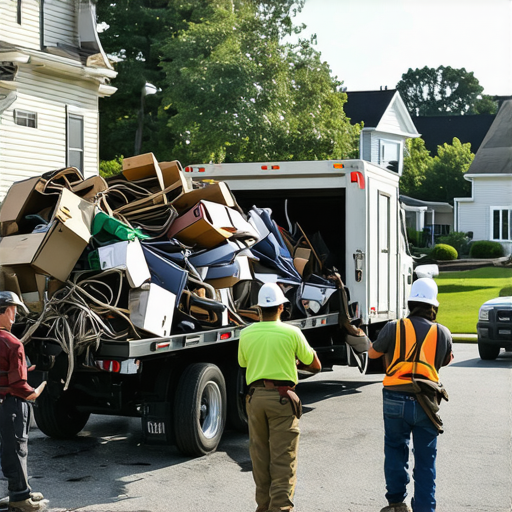
Aurora Illinois property owners face significant legal exposure under the Illinois Environmental Protection Act and local municipal codes during hoarding remediation. Unauthorized disposal of hazardous household waste, structural instability liabilities, and biological contaminant mismanagement can trigger civil penalties, lawsuits, and property liens if not handled by licensed waste haulers. I remember a business owner in Kane County who tried to save 500 dollars by hiring a guy with a pickup truck from a social media ad. Two weeks later, the police called him because his company documents and several lead-acid batteries were found in a ditch near the Fox River. Your junk is your liability until it hits the scale at a certified transfer station. In Aurora, the paper trail is your only protection against a five-figure fine. When you handle a hoarder clean out yourself, you are not just moving boxes. You are managing a hazardous waste site without a permit. The logistics of a 15-yard load require more than just muscle. You need to understand the physics of the load. A standard couch weighs about 150 pounds, but a urine-soaked sofa from a hoarding situation can weigh 400 pounds due to moisture absorption. If that weight shifts in a non-commercial vehicle, the driver is liable for any resulting accident. The city of Aurora monitors illegal dumping aggressively. The local authorities track debris found in public spaces back to the source using mail, prescription bottles, or specific household items.
“Waste is merely a resource in the wrong place; professional removal is the science of putting it back where it belongs.” – Disposal Industry Maxim
Aurora municipal codes and the biohazard reality
The City of Aurora Code of Ordinances Chapter 21 regulates the accumulation of garbage and refuse which becomes a public nuisance. DIY cleaners often ignore that hoarding situations frequently involve Category 3 black water or gross filth that requires specific containment protocols under OSHA standards to prevent the spread of pathogens. When you pull up a carpet in a hoarder house, you are releasing millions of spores into the air. If those spores travel to a neighbor’s HVAC system, you are legally responsible for the remediation of their property as well. In Aurora, the high humidity levels near the river accelerate mold growth. A stack of newspapers is not just paper. It is a biological sponge. If you load these into a standard dumpster rental in Aurora without proper lining, the leachate can leak onto the street. This violates the Clean Water Act. The fines for dumping liquid waste into storm drains are astronomical. Professional junk removal teams use leak-proof containers for this very reason. They know that a single gallon of old motor oil found at the bottom of a pile can contaminate a million gallons of groundwater. The legal chain of custody is paramount. You need a manifest that shows exactly where every cubic yard of debris landed. Without that manifest, you are the primary suspect if any part of that load ends up in a Kane County forest preserve.
Hidden environmental traps in Kane County basements
Hazardous household waste including mercury thermostats, old pesticides, and pressurized cylinders are commonly found in Aurora garage clean outs but cannot be disposed of in standard landfills. Illinois law prohibits the landfilling of electronics and tires, meaning a DIY attempt often leads to illegal stockpiling or improper disposal. The chemistry of a basement in an older Aurora home is volatile. You might find jars of lead-based paint from the 1970s. You might find asbestos-wrapped piping hidden behind a wall of old clothes. If you disturb these materials without a license, you are violating federal RCRA regulations. The EPA does not care if you were just trying to help a family member. They care that you released friable asbestos into a residential neighborhood. Furthermore, the weight of the hoard often hides structural damage. I have seen floor joists in Aurora bungalows that were nearly snapped by the weight of vertical hoarding. When you remove that weight too quickly or unevenly, the house can shift. A DIYer might cause a structural collapse, leading to a total loss of the property and potential criminal negligence charges if someone is injured.
| Material Type | Decomposition Time | Disposal Complexity | Aurora Legal Restriction |
|---|---|---|---|
| Wet Newspaper | 2-4 Weeks | Medium | Must be kept dry for recycling |
| Lead-Acid Batteries | 99+ Years | Extreme | Prohibited in general trash |
| Treated Wood | 50+ Years | High | Contains arsenic/chromates |
| Latex Paint | 15+ Years | Medium | Must be solidified first |
| CFL Bulbs | Indefinite | High | Contains mercury vapor |
The math of the 15 yard dumpster rental
Cubic yard density determines the pricing and legality of waste transport on Illinois highways where overweight axle limits are strictly enforced by the Illinois State Police. A 15-yard dumpster filled with heavy furniture and debris can easily exceed the weight capacity of a residential driveway. You have to calculate the ‘air space.’ If you throw items in haphazardly, you are paying to haul air. Professional logistics managers use a ‘Tetris’ method to ensure the load is tight. This is not just about saving money. It is about safety. An unstable load is a death trap. In Aurora, if your dumpster is overfilled, the driver will refuse to pick it up. This leaves you with a massive, unsightly bin on your property that attracts vectors like rats and raccoons. Local Aurora ordinances allow the city to clear the property at your expense if a nuisance is reported. They will then place a lien on your home for the cost of the cleanup plus administrative fees. It is much cheaper to hire an expert than to pay the city’s contractors. The physics of appliance removal also come into play. Removing a refrigerator requires more than a dolly. You have to ensure the CFCs are properly recovered according to Section 608 of the Clean Air Act. If you vent refrigerant into the atmosphere, you are looking at a 37,500 dollar per day fine from the EPA.
“The mismanagement of solid waste, particularly when biohazards are involved, creates a chain of custody liability that remains with the property owner until final destruction.” – Waste Management Legal Review
Professional mitigation versus amateur errors
Expert junk removal services in Aurora provide a certificate of destruction and disposal receipts that serve as a legal shield for the property owner against future environmental claims. DIY efforts lack this documentation, leaving the homeowner vulnerable to long-term liability under CERCLA laws. Think about the furniture removal process. Most modern furniture is made of particle board held together with formaldehyde-based glues. When this breaks down in a damp basement, it off-gasses. If you spend 10 hours a day breathing that in during a DIY clean out, you are risking permanent lung damage. Professionals use respirators and high-grade PPE. They also know how to handle furniture that has been infested with bedbugs or cockroaches. If you move infested furniture through your house, you are spreading the problem. The cost of a whole-house pest treatment in Aurora will far exceed the cost of a professional junk removal crew. You must be methodical. You must be precise. You must be legal.
- Lithium-ion batteries found in old laptops or power tools.
- Propane tanks and fire extinguishers.
- Fluorescent light ballasts containing PCBs.
- Industrial-strength cleaning chemicals.
- Biohazardous waste including needles or bodily fluids.
- Ammunition or old flares.
Structural failure and physical load limits
The static load of a hoarder’s collection can exceed 200 pounds per square foot, far surpassing the 40-pound-per-square-foot residential design code in Illinois. Removing these items without a structural assessment can lead to immediate floor rebound and wall cracking. The floor snapped. I heard it once during a clean out in a small Aurora apartment. The tenant had stacked old car parts in the corner. As we removed them, the sudden release of tension caused the floorboards to buckle. A DIYer would have been standing right there. We had the experience to approach from the perimeter. We use load-bearing plates to distribute weight during the removal. We also look for signs of dry rot. In Aurora, the older homes are susceptible to moisture. If you aren’t looking for it, you will fall through the floor. This is the reality of waste management. It is a dangerous, technical, and legally complex field. Do not treat it like a weekend project. Treat it like a logistical operation. Your wallet, your health, and your legal standing depend on it. Always check the credentials of your hauler. Ensure they have a commercial liability policy. Ask them which transfer station they use in Kane County. If they cannot answer, they are a curbside cowboy. Avoid them at all costs. The legal risks of a DIY hoarder clean out are too high to ignore.