The hidden explosive in your driveway
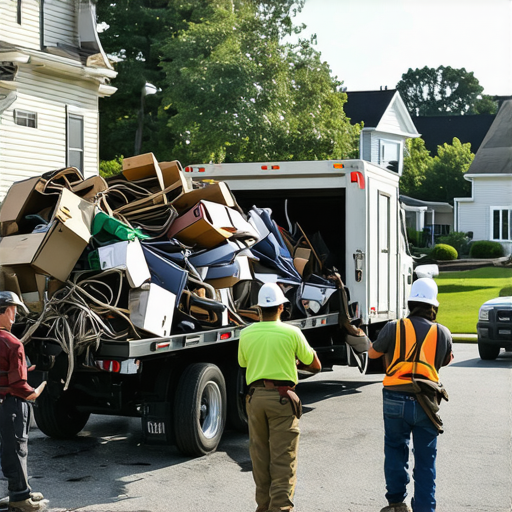
Junk removal in Aurora requires more than a truck and a strong back. It demands a rigorous understanding of waste stream segregation, local tipping fees, and hazardous material identification. Professionals mitigate the risks of chemical leaching and physical injury while maximizing the cubic volume of every transport load. I watched a rookie almost lose his eyebrows because a customer hid a half-full propane tank inside a pile of ‘harmless’ yard waste. We don’t just lift. We inspect. Every. Single. Item. The smell of diesel and hydraulic fluid is the scent of a job done right. If you think junk removal is just throwing bags in a bin, you are wrong. It is an exercise in density and liability. When we pull up to a driveway in Aurora, we are calculating the weight of the debris against the axle limit of the truck. We are looking for the telltale signs of household hazardous waste that could contaminate an entire 20-yard load. One leaking lead-acid battery can turn a standard run to the transfer station into a hazmat incident. The physics of the load dictate the profit of the day. If there is air in the truck, I am losing money. We pack every cubic inch like a high-stakes game of Tetris. We strip the components. We crush the voids. We ensure the load is stable before the tarp even touches the rails. This is the reality of the logistics manager. It is messy, it is heavy, and it is precise.
“Waste is merely a resource in the wrong place; professional removal is the science of putting it back where it belongs.” – Disposal Industry Maxim
Why renovation debris defies standard physics
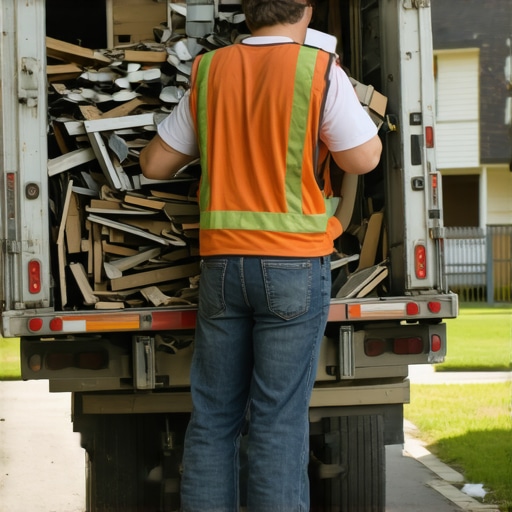
Renovation scraps in Aurora often consist of high-density materials like drywall, plaster, and dimensional lumber that require specialized hauling strategies. Managing these materials involves calculating the weight-to-volume ratio to avoid overloading vehicles and incurring heavy fines at the scale house. Drywall is particularly troublesome. It is heavy. It is dusty. When it gets wet, it becomes a structural nightmare for any lifting crew. In Aurora, the local transfer stations are strict about drywall recycling because of the hydrogen sulfide gas it produces in landfills. We have to separate it. We have to stack it flat. If you mix it with general household trash, the tipping fee doubles. A 15-yard dumpster filled with plaster can easily exceed five tons. That is enough to crack a residential driveway if the pads are not set correctly. We see it every day. Homeowners underestimate the weight of their own debris. They think a few bags of tiles are nothing. Then the truck tries to lift the bin and the front wheels leave the ground. That is the moment the logistics of junk removal becomes very real. We deal with the physics so the homeowner does not have to. We understand the sheer force required to move a cast iron tub from a second-story bathroom. It is about leverage. It is about the friction of the dolly against the floor. It is about knowing that the renovation scrap today was someone’s dream yesterday, and now it is just a logistical problem waiting for a solution.
The math of a 15-yard dumpster rental
Comparing dumpster rentals in Aurora involves analyzing the base rental cost against the weight allowance and potential overage fees. Understanding the density of your specific debris type prevents unexpected financial hits when the final weight is tallied at the municipal scale. Many people choose a dumpster because it seems cheaper than full-service junk removal. They forget the labor. They forget the permit fees for street placement. They forget the risk of neighbors tossing their own trash into the bin overnight. In Aurora, a 15-yard bin is the sweet spot for most garage clean outs. It fits in a standard stall. It holds enough for a medium renovation. But if you fill it with concrete, you are in trouble. Concrete weighs approximately 4,000 pounds per cubic yard. Do the math. A 15-yard bin full of concrete would weigh 60,000 pounds. No standard hook-lift truck can move that. The bin would simply sit there, a permanent monument to a lack of planning. We provide the expertise to avoid these traps. We tell customers to stop at the one-foot mark for heavy aggregates. We explain the difference between MSW and C&D waste. The scale does not lie. When you roll onto the plates at the Aurora transfer station, every pound counts toward your bottom line. We manage that weight with the precision of a jeweler, even though we are dealing with dirt and rusted metal.
| Material Type | Estimated Weight per Cubic Yard | Typical Disposal Method |
|---|---|---|
| Loose Household Junk | 250 lbs – 300 lbs | Landfill / Transfer Station |
| Construction Debris | 400 lbs – 600 lbs | C&D Recycling Facility |
| Drywall (Clean) | 500 lbs | Specialized Gypsum Recycling |
| Concrete / Brick | 3,500 lbs – 4,000 lbs | Aggregates Crushing Plant |
| Green Waste | 200 lbs – 400 lbs | Composting Facility |
Appliance disposal and the ozone layer
Professional appliance removal in Aurora is governed by strict environmental regulations regarding the recovery of refrigerants and heavy metals. Every refrigerator or air conditioner contains gases that must be evacuated by a certified technician before the metal can be recycled. This is not just a suggestion. It is federal law. The EPA Section 608 regulations are clear. If you vent R-22 or R-134a into the atmosphere, you are looking at massive fines. We handle the paperwork. We ensure the compressor is tagged. Old appliances are bulky and unforgiving. They have sharp edges. They leak mystery fluids. A 1970s chest freezer weighs as much as a small car and is twice as hard to grip. We use specialized appliance dollies with integrated straps. We protect the floors. We protect our backs. When we take an old stove or dishwasher, we are not just taking trash. We are harvesting scrap metal. The steel, copper, and aluminum in these machines have a second life. We make sure they get there. In Aurora, simply leaving an old fridge on the curb is an invitation for trouble. Kids can get trapped. The local scrap hawks might tip it over to get the copper, spilling oil and chemicals onto your lawn. We provide the clean, professional exit these machines require. We lift, we secure, and we haul to a facility that treats the materials with the respect the law demands.
The anatomy of a hoarder clean out
Executing a hoarder clean out in Aurora requires a combination of logistical planning, structural assessment, and environmental safety protocols. These situations often involve compressed layers of material that create immense floor loads and potential biohazards. I once cleared a house where the junk was not just stuff. It was a structural hazard. We found the floor joists were bowing under the weight of 40 years of newspapers that had absorbed ten years of basement humidity. This is the extreme side of junk removal. It is not about a few bags. It is about tons of saturated fiber. It is about mold spores. It is about the psychological weight of the hoard. We wear respirators. We wear puncture-resistant gloves. We work from the top down to prevent avalanches. The logistics of a hoarder house involve staging. We need a clear path for the exits. We need a way to sort the few valuable items from the mountains of decay. In Aurora, these jobs can take days. We might fill five or six 40-yard containers. The sheer volume of material is staggering. We look for the backdoor logistics. How do we get the truck closer? Can we use a conveyor? Is the porch stable enough for a crew of four? We solve these problems in real-time. We see the data overflow of a human life and we bring the system back to a clean state.
“The Resource Conservation and Recovery Act (RCRA) gives EPA the authority to control hazardous waste from the cradle to the grave.” – Environmental Protection Agency
Local Aurora disposal bylaws and tipping fees
Navigating Aurora waste management means staying current on municipal bylaws and the fluctuating costs of local tipping fees. Understanding which transfer stations accept specific materials like e-waste or tires saves hours of wasted drive time and fuel. The city has specific windows for bulky item pickup, but they are limited. They will not take a whole basement. They will not take a renovation. That is where we come in. We know the hours of operation for every gate in the region. We know that on Tuesdays, the wait times at the main Aurora transfer station are shorter. We know which facility has the best rate for clean wood. Tipping fees are the biggest variable in our industry. They go up every year. If you do not know how to pack a truck to maximize the weight limit without exceeding it, you will go out of business. We monitor the market. We understand the diversion mandates set by York Region or local county authorities. Our goal is always to keep as much as possible out of the landfill. We sort at the source. We separate the cardboard. We bag the metal. This is how we keep our prices competitive while remaining environmentally responsible. Your junk is your liability until it hits the scale. We take that liability off your hands and manage it through the proper channels.
Furniture removal and the failure of modern glue
Furniture removal in Aurora highlights the transition from durable solid wood pieces to the heavy but fragile particle board constructions of today. Modern furniture often lacks the structural integrity to be moved once assembled, frequently disintegrating during the removal process. Old furniture was built to last. It was heavy, but it held together. Modern pieces are held together by cam locks and hope. As soon as you tilt a cheap wardrobe, the joints snap. This makes removal a different kind of challenge. We have to break things down. We carry impact drivers and pry bars. We turn a massive sectional into a series of manageable components. We see the waste of the throwaway culture every day. A table that cost $500 three years ago is now worth zero because the veneer is peeling and the legs are wobbly. We divert what we can to local charities in Aurora, but much of the modern stuff is destined for the shredder. We calculate the volume of a sofa by its exterior dimensions, but we also consider the void space inside. If we can’t fit other items around it, we are hauling air. We don’t haul air. We dismantle. We stack. We optimize. The floor snapped under a heavy armoire once because the customer didn’t tell us about a soft spot in the subfloor. Now, we scout the route. We check the path. We move with intent.
The heavy cost of keeping everything
Storage unit clean outs in Aurora often reveal that the cost of keeping unused items far exceeds their market value over time. Many residents pay hundreds of dollars monthly to store items that they will eventually pay a professional junk removal service to discard. It is a double loss. We see units that have been paid for ten years. The total rent paid could have bought a new car. Instead, it bought a room full of dust and outdated electronics. When we are called for a storage clean out, we move fast. The logistics are simpler because the units are usually designed for truck access. We can back right up to the door. We clear it in an hour. We see the relief on the customer’s face. They are finally free of the monthly bill. But the environmental cost remains. The plastic bins have degraded. The upholstery has absorbed the smell of the facility. We take it all. We ensure the metals are recovered and the textiles are handled according to local Aurora guidelines. It is a clearing of the books. A physical deletion of unnecessary data. We are the architects of that space recovery.
Items that the truck cannot carry
Certain materials are classified as prohibited items for standard junk removal in Aurora due to their hazardous nature or specific disposal requirements. These items require specialized handling by municipal hazardous waste programs or certified private contractors. Using a standard hauler for these materials is a violation of environmental safety codes. Here is the reality of what we cannot touch.
- Asbestos-containing materials: Popcorn ceilings or old pipe insulation require abatement pros.
- Biohazardous waste: Medical needles or waste that has come into contact with bodily fluids.
- Lead-acid batteries: These must be taken to a dedicated recycling drop-off.
- Liquid chemicals: Unsealed paint, pool chemicals, and heavy solvents.
- Propane tanks: Pressurized vessels are a high-risk explosion hazard in a trash compactor.
- Radioactive items: Certain old smoke detectors or industrial equipment.
- Tires: These require a separate recycling stream and often have a per-tire surcharge.
While most people think recycling is always better, the carbon footprint of hauling low-grade plastics 500 miles often exceeds the impact of local, high-efficiency waste-to-energy incineration. This is a hard truth. We try to be as green as possible, but we are also realistic about the logistics. If a material cannot be locally processed, the best path is often the most secure one. We provide the guidance to ensure you are not dumping toxins into the Aurora water table or the local soil. We are your partners in responsible disposal. We bring the truck, the muscle, and the knowledge. You get your space back. The cycle continues.