The illegal dumping trap
Property managers in Aurora facing tenant departures must prioritize legal disposal to avoid municipal fines or environmental litigation. Junk removal aurora services provide the physical labor and the chain of custody required for compliance. Proper waste management involves documenting the transfer of debris from residential sites to authorized landfills or recycling centers.
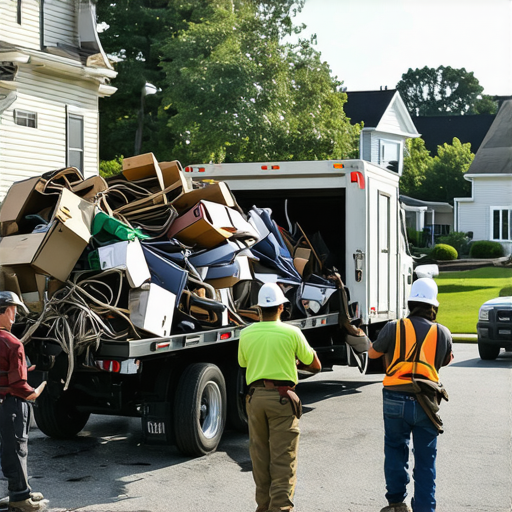
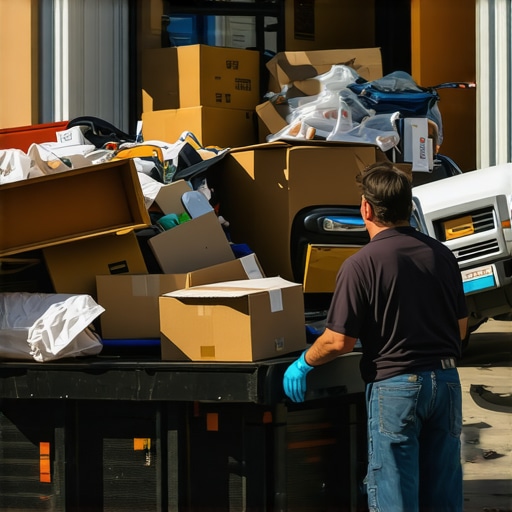
A business owner tried to save €500 by hiring a guy with a pickup truck from a social media ad. Two weeks later, the police called him because his company’s confidential files were found in a ditch. Your junk is your liability until it hits the scale at a licensed transfer station. This is the reality of the industry. The truck idles. The 14,000 pound GVWR chassis is strained. The previous tenant left three tons of saturated drywall in the basement. I have seen the consequences of cutting corners. In Aurora, the code enforcement officers do not accept excuses about third-party contractors. If your name is on the mail in that pile of trash, you are the one getting the citation. We don’t just lift. We inspect. Every. Single. Item. The logistics of a post-tenant mess require more than just a strong back. You need a strategist who understands the tetris of a 15 yard bin. You need someone who knows that wet carpet weighs four times more than dry carpet. This knowledge prevents truck overloads. It prevents hydraulic failure. It keeps the job site safe.
Aurora disposal laws and your liability
Compliance with Aurora waste ordinances requires property owners to manage debris according to specific environmental standards. Failure to use professional junk removal aurora experts leads to illegal dumping penalties and potential soil contamination issues. Authorized haulers ensure that hazardous materials like lead paint or mercury switches are diverted from general landfills.
“Waste is merely a resource in the wrong place; professional removal is the science of putting it back where it belongs.” – Disposal Industry Maxim
The legal framework surrounding waste is rigid. The Resource Conservation and Recovery Act defines how we handle the debris. When a tenant leaves a garage full of old paint cans and car batteries, the property owner inherits a hazmat situation. You cannot simply toss these into a dumpster rental Aurora unit without looking at the fine print. We calculate the density of the load before the first shovel hits the floor. A cubic yard of loose household trash weighs about 250 pounds. A cubic yard of construction debris can top 2,000 pounds. If you miscalculate the weight, the truck tires will flex dangerously. The sidewalls heat up. The risk of a blowout on I-88 increases. This is why we obsess over the load. We stack the heavy items at the bottom and the light items on top. This maintains a low center of gravity. It is the physics of the haul. Most people ignore the mechanical stress on the vehicle. I do not. Every turn in an Aurora residential neighborhood puts torque on the frame. If the load is poorly balanced, the suspension suffers. We manage the weight to protect the equipment and the client.
The hidden physics of a tenant cleanout
Successful furniture removal aurora operations depend on calculating the volumetric weight and structural integrity of the items being discarded. Heavy loads like sleeper sofas or antique armoires require specific lifting techniques to prevent damage to the property structure. Professional teams use high-density packing to maximize truck space efficiency.
The floor snapped. That is the sound of a structural failure during a poorly planned hoarder clean out aurora project. When magazines stay in a basement for a decade, they absorb moisture from the concrete. They become dense blocks of cellulose. A stack of paper three feet high can weigh as much as a small car. The floor joists in older Aurora homes were not designed for that static load. We approach these jobs like a recovery operation. We look for signs of bowing wood. We check for mold spores that become airborne the moment a pile is disturbed. The air gets thick. We wear respirators. We do not take chances with fungal pathogens. The process is methodical. We clear a path to the exit. We secure the stairs. We ensure that every worker has a clear line of sight. This is the logistical zooming that amateur haulers skip. They just grab and go. We evaluate the path of travel. We use floor protection. We use corner guards. The goal is to remove the mess without creating a new repair bill for the landlord.
Why cubic yards beat flat rates every time
Pricing for junk removal aurora is most accurate when based on the total volume of debris measured in cubic yards rather than flat estimates. This system ensures that property owners pay for the actual space used in the disposal vehicle. Transparent pricing models account for tipping fees and labor costs.
| Material Type | Weight per Cubic Yard | Disposal Complexity |
|---|---|---|
| Household Trash | 250-300 lbs | Low |
| Construction Debris | 1,500-2,000 lbs | High |
| Green Waste | 400-600 lbs | Medium |
| Appliance Mix | Variable | High (Hazmat) |
Flat rates are a trap for the unwary. If a hauler gives you a price over the phone without seeing the pile, they are guessing. Usually, they guess in their favor. Or they get to the site, see the reality, and start adding surcharges. I prefer the cubic yard model. It is honest. It is based on the volume of the truck. A standard junk removal truck holds about 15 to 20 cubic yards. That is the size of six or seven refrigerators. When we arrive at an Aurora property, we look at the pile and estimate the fraction of the truck it will fill. This accounts for the labor. It accounts for the fuel. It accounts for the gate fees at the local transfer station. Gate fees fluctuate based on the market. If the price of recycled cardboard drops, the cost to dump mixed waste goes up. We track these numbers daily. We know which facility has the shortest wait times. Time is money in this business. Every minute the truck sits in a weigh-in line is a minute we are not clearing your property.
The environmental cost of abandoned appliances
Appliance removal aurora requires specialized handling to recover refrigerants and heavy metals that pose a threat to the local water table. Old refrigerators and air conditioners contain CFCs or HCFCs that must be reclaimed by certified technicians. Proper recycling prevents these toxins from entering the Aurora environment.
“Landfills are not bottomless pits; they are complex bioreactors that require strict management of incoming hazardous materials to prevent long-term ecological damage.” – Solid Waste Association of North America
The smell of old Freon is distinct. It is a chemical sweetness that signals an environmental hazard. When a tenant leaves an old freezer in the backyard, it is a ticking time bomb. The coils rust. The seals fail. If that gas escapes, it contributes to ozone depletion. We treat appliance removal with the respect it deserves. We do not just toss them onto the pile. We secure them. We transport them to facilities that have the equipment to suck the refrigerant out safely. Then there are the capacitors. Older units contain PCBs. These are persistent organic pollutants. They do not break down. They bioaccumulate. If you hire a guy who dumps that fridge in a field, those chemicals end up in the Fox River. Aurora residents deserve better. We ensure that every piece of scrap metal is recovered. The steel is melted down. The copper is stripped. This is how we reduce the need for raw mining. It is not just about cleaning a room. It is about the lifecycle of the material.
Items your hauler cannot legally touch
Certain materials are classified as hazardous waste and cannot be transported by standard junk removal aurora services due to safety regulations. These items require specialized disposal through municipal hazardous waste programs or certified toxic waste handlers. Identifying these materials early prevents delays in the cleanout process.
- Lead-acid batteries from vehicles or backup power systems.
- Propane tanks and pressurized gas cylinders.
- Wet paint, solvents, and industrial thinners.
- Biohazardous waste or medical sharps.
- Radioactive materials like old smoke detectors in bulk.
- Aerosol cans that are not completely empty.
- Fluorescent light tubes containing mercury vapor.
I watched a rookie almost lose his eyebrows because a customer hid a half-full propane tank inside a pile of harmless yard waste. We don’t just lift. We inspect. If we find a sealed container, we open it. If it smells like gasoline, we stop. We are not licensed to transport flammable liquids in bulk. That requires a different class of permit and a different type of truck. The DOT has rules about what can be on the road. We follow them. If we ignore those rules, we risk our CDL. We risk our business. We tell the client exactly what we can and cannot take. Transparency is the only way to operate. If you have a pile of old tires, we have to charge a surcharge. Why? Because the landfill charges us. Tires are a fire hazard and a breeding ground for mosquitoes. They don’t compact. They float to the top of the landfill over time. This is the granular detail of waste management.
Garage cleanouts that preserve your foundation
Garage clean outs in Aurora often involve removing decades of accumulated weight that can hide structural issues or pest infestations. Clearing these spaces allows for a thorough inspection of the concrete slab and the sill plates. Professional removal teams identify signs of wood rot or termite damage during the process.
The garage is the catch-all for everything a tenant didn’t want to carry up the stairs. It is where the old lawnmowers go to leak oil. It is where the bags of salt for the driveway sit and eat into the concrete. When we perform garage clean outs, we start from the outside in. We create a staging area. We sort the items into three categories: recycle, donate, and landfill. Many items left in Aurora garages are still functional. We try to divert as much as possible from the trash. But the focus is on the space. Once the floor is clear, the owner can see the cracks. They can see the oil stains that need a degreaser. They can see the rodent nests behind the old plywood. A clean garage is a manageable garage. We use heavy-duty brooms to sweep the site after the load is gone. We leave the space ready for the next tenant. Or for the real estate photographer. First impressions matter. A cluttered garage screams neglect. A clean one suggests a well-maintained home.
Hoarder clean out aurora challenges
Managing a hoarder clean out aurora requires a combination of logistical precision and extreme sensitivity to the volume of debris involved. These projects often exceed ten tons of material and require multiple truck rotations to complete effectively. Sorting through the layers is essential to identify salvageable assets.
I once cleared a house where the junk wasn’t just stuff. It was a structural hazard. We found the floor joists were bowing under the weight of 40 years of newspapers that had absorbed ten years of basement humidity. This is the extreme end of junk removal. You cannot just walk in and start throwing things. The pile is often the only thing holding up the drywall. We have to brace walls. We have to use moisture meters. The air quality in these homes is often hazardous. We use industrial fans. We use HEPA filters. The density of the waste is the primary challenge. In a normal house, a room might have 500 pounds of furniture. In a hoarding situation, that same room might have 5,000 pounds of compressed trash. We have to account for that weight when we park the truck. We don’t park on the driveway. It will crack under the weight of the loaded vehicle. We park on the street. We carry the load. It is slower, but it is safer. We protect the property at all costs. This is why you hire veterans. We have seen what happens when you rush. We don’t rush. We execute.