The true cost of the unlicensed pickup truck
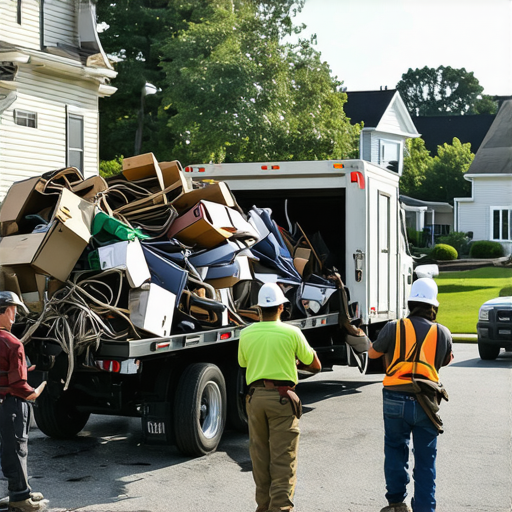
A business owner in Aurora tried to save 500 dollars by hiring a guy with a rusted pickup truck from a social media ad. Two weeks later, the police called him because his company confidential files and three heavy pallets of demolition debris were found in a ditch near Cherry Creek State Park. Your junk is your legal liability until it hits the scale at a licensed transfer station. Most people do not realize that once debris leaves their property, the chain of custody remains their responsibility if the hauler is not properly permitted. We operate in a world where tipping fees and environmental compliance dictate every move. This is not just about moving boxes. It is about the logistics of mass, the physics of load distribution, and the legalities of the Resource Conservation and Recovery Act.
“Waste is merely a resource in the wrong place; professional removal is the science of putting it back where it belongs.” – Disposal Industry Maxim
The phantom weight of kitchen renovation debris
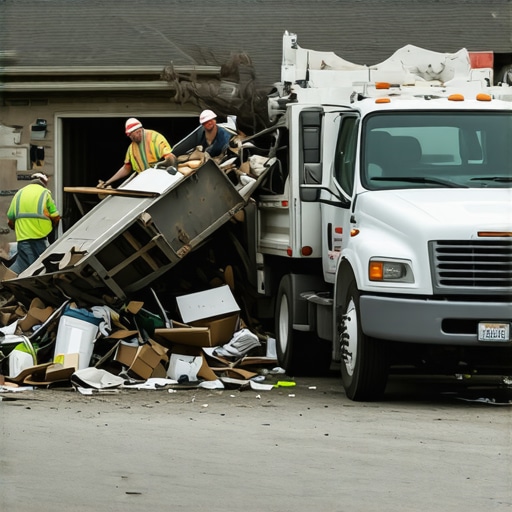
Junk Removal Aurora requires a precise understanding of material density to prevent axle failure and overage charges at the landfill. Heavy renovation debris like ceramic tile, cement board, and plaster can weigh up to 3,000 pounds per cubic yard. Professional haulers calculate this density before the first sledgehammer swings to ensure logistical efficiency. When you tear out an Aurora kitchen, you are not just dealing with wood. You are dealing with 1970s era cast iron sinks that weigh 150 pounds and double layered subfloors that defy standard garbage bags. The weight of a single bathroom gut can exceed two tons. If you hire a standard hauler without a heavy duty lift system, they will likely leave the heavy stuff behind. We look at the PSI of your driveway before we even drop a bin. The goal is to maximize the 15 yard truck without exceeding the 10,000 pound weight limit imposed by local road ordinances. If the truck cubes out before it weights out, we are wasting diesel. If it weights out first, we are risking a DOT fine. It is a delicate balance of Tetris and physics.
The hidden dangers of garage clean outs
Garage clean outs in Aurora often involve the discovery of hazardous materials that municipal trash services refuse to touch. Items like old engine oil, lead acid batteries, and pressurized cylinders require specialized disposal manifests and secondary containment. Proper sorting at the source prevents chemical leaks during transport to the transfer station. Many homeowners assume that everything in their garage can go to the landfill. This is a dangerous misconception. A single half full propane tank hidden in a pile of cardboard can explode in the back of a hydraulic compactor. We have seen it happen. The friction of the metal ram against the steel tank creates a spark that can ignite the entire load. This is why we perform a visual inspection of every cubic foot. We are looking for the telltale signs of household hazardous waste. The smell of old gasoline or the white crust on a car battery are immediate red flags. We manage the logistics of transport so you do not have to worry about the liability of a hazmat spill on I-225.
| Material Type | Weight per Cubic Yard (Lbs) | Disposal Difficulty Level | Recycling Potential |
|---|---|---|---|
| Drywall (Clean) | 500 | Low | High (Gypsum) |
| Mixed C&D Debris | 1,200 | Medium | Low |
| Concrete / Brick | 2,400 – 3,000 | Extreme | High (Aggregate) |
| Household Soft Goods | 250 | Low | Medium |
The logistical nightmare of a hoarder clean out aurora
Hoarder clean out aurora projects are structural operations that require more than just muscle. They involve managing biological hazards, unstable piles of combustible material, and the physical integrity of the flooring systems. Professional teams use high volume air scrubbers and PPE to manage the dust and spores released during the removal process. When newsprint sits in an Aurora basement for twenty years, it absorbs the humidity of the high plains. It becomes a dense, heavy block that is prone to spontaneous combustion and mold growth. The floor joists of a standard residential home are not designed to hold three tons of paper in a ten by ten room. We have seen floors bow and walls crack under the sheer mass of collected items. We approach these jobs with a staging plan. We clear the exits first, then work in layers. It is a data overflow error in physical space. Every item must be triaged. What is trash, what is recyclable, and what is a potential biohazard? We do not just toss things. We recover value where it exists and mitigate risk where it does not.
Why appliance removal is more than just heavy lifting
Appliance removal requires technical knowledge of refrigerant recovery and mercury switch disposal as mandated by the EPA. Older refrigerators contain R-22 or R-12 gases that must be evacuated by a certified technician before the metal can be recycled. Simply dumping an old freezer is a federal violation that carries heavy fines. When we pull a washing machine or an old stove from an Aurora home, we are looking at the potential for scrap metal recovery. A modern washing machine is mostly plastic and thin gauge steel. An older unit is a beast of heavy iron and copper windings. We strip the valuable motors and wires to keep them out of the landfill. This is the information gain most people miss. While recycling is often touted as the ultimate good, the carbon footprint of hauling low grade plastics 500 miles often exceeds the impact of local, high efficiency waste to energy incineration. We choose the disposal path that has the lowest net impact on the environment while staying within the legal framework of the city.
- Lithium-ion batteries (Extreme fire hazard)
- Wet paint and chemical solvents
- Asbestos-containing materials (Popcorn ceilings)
- Industrial chemicals and pesticides
- Medical waste and sharps
- Radioactive smoke detectors (Am-241)
Dumpster rentals aurora and the permit trap
Dumpster rentals Aurora often require specific permits if the bin is placed on a public street or in a right of way. Failure to obtain these permits can lead to immediate fines and the impounding of the container by city code enforcement. Planning the placement of the bin is the first step in a successful renovation. If you put a 20 yard bin on your driveway without plywood protection, you risk cracking the concrete under the pressure of the roll off truck. The hydraulic stabilizers of a heavy duty truck can exert thousands of pounds of pressure on a single point. We use 2×4 framing and heavy sheets of OSB to distribute that weight. It is about protecting the asset. We also have to consider the overhead lines. A truck bed at full tilt stands twenty feet in the air. Power lines and tree branches are constant obstacles in older Aurora neighborhoods. We scout the location, check the permits, and ensure the bin is placed for maximum loading efficiency. Empty space in a dumpster is wasted money. We teach our clients how to stack heavy items at the bottom and distribute the load to prevent the bin from becoming tail-heavy during the winch process.
“Modern waste management is not about throwing things away; it is about the systematic diversion of materials back into the industrial cycle.” – SWANA Technical Report
The heavy cost of keeping everything
The psychology of junk is often a barrier to logistical progress. People hold onto broken furniture and old appliances because of the sunk cost fallacy. They remember what they paid for it, not what it costs to store it. In Aurora, every square foot of your home has a value. When you fill a garage with broken junk, you are paying for that storage in the form of property taxes and mortgage interest. We help people reclaim their square footage. Furniture removal is not just about clearing space. It is about the physical removal of the old to make way for the new. We take the sofas that have been sitting in the basement since 1995. We take the old televisions that weigh a hundred pounds and contain tubes of leaded glass. These items are the ghosts in the garage. They serve no purpose other than to collect dust and harbor pests. We come in with the dollies, the straps, and the specialized ramps to get these heavy items out without damaging your walls. The floor snapped once during a heavy piano removal because the wood was rotted. We learned to check the subfloor before we roll. That is the experience you pay for. We do not guess. We measure. We do not hope. We plan.