The hazardous surprise under the brush pile
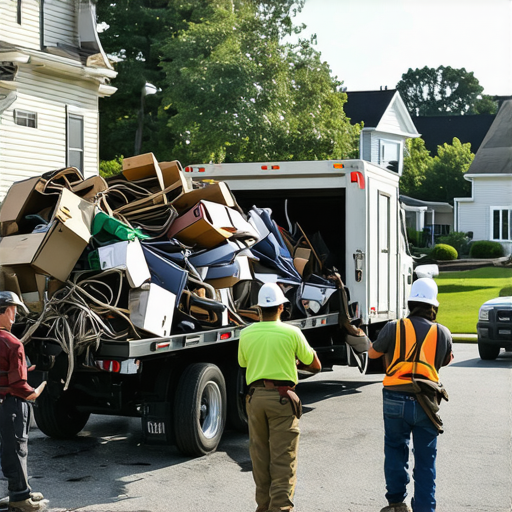
Professional junk removal in Aurora demands rigorous inspection of all organic piles to prevent chemical accidents or equipment damage. I watched a rookie almost lose his eyebrows because a customer hid a half-full propane tank inside a pile of harmless yard waste. We do not just lift, we inspect. Every. Single. Item. That moment defined my approach to waste management in the Fox Valley area. People assume yard debris is just grass and sticks. They are wrong. It is often a graveyard for old fertilizers, rusted garden tools, and forgotten canisters of lawn mower fuel. When we arrive for a Junk Removal Aurora project, we look for these hidden threats before a single pitchfork hits the pile. The smell of hydraulic fluid and diesel reminds my crew that we are operating heavy machinery, not just doing chores. The risk of a trash fire in the back of a 15-yard truck is a logistical nightmare that stops traffic on Orchard Road. We prioritize safety over speed because the science of hauling demands it. Every cubic yard of waste carries a history. Some histories are more combustible than others.
The logistical physics of yard waste density
Calculating the weight and volume of organic debris is a precise engineering task that dictates the efficiency of the entire haul. To the untrained eye, a pile of branches looks light. To a logistics manager, that pile represents air space. Wasted air space is the enemy of profit and environmental efficiency. We use the tetris method to cube out the truck. We break down large limbs and compress the greenery to maximize the diversion rate. If we haul air, we waste fuel. The floor snapped. That was the sound of a rotted deck being loaded onto a truck with too much force. We calculate density based on moisture content. Wet oak weighs significantly more than dry pine. When you perform Garage Clean outs or yard clearing, you must understand the load limit of the vehicle. A standard Class 5 truck has a gross vehicle weight rating that cannot be ignored just because the sun is setting. We balance the weight across the axles to ensure the truck remains stable on the winding roads near the Fox River.
“Waste is merely a resource in the wrong place; professional removal is the science of putting it back where it belongs.” – Disposal Industry Maxim
Why your local Aurora landfill rejects mixed loads
Municipal transfer stations in the Aurora region enforce strict segregation of organic materials and general refuse to facilitate composting efforts. You cannot simply throw a microwave on top of a pile of hedge trimmings. The scale operator will turn you away. This results in lost time and double the fuel costs. We operate with a backdoor logistics mindset. We know the tipping fees at the local stations and which facilities accept specific materials. If you are doing a Hoarder Clean Out aurora, you are dealing with layers of materials that have fused together over decades. Separating the metal from the cellulose is the only way to keep the operation legal. Appliance removal follows even stricter rules due to the refrigerants and heavy metals involved. The legal requirements of the Resource Conservation and Recovery Act mean your junk is your liability until it hits the scale. We provide the documentation to prove the chain of custody. Your liability ends when our gate closes.
| Dry Brush | 300 | Compost/Mulch |
| Wet Soil/Sod | 2,000 | Fill Dirt/Screening |
| Mixed Construction | 500 | Sorting Facility |
| Large Appliances | Variable | Metal Scrap Yard |
The true cost of curbside neglect
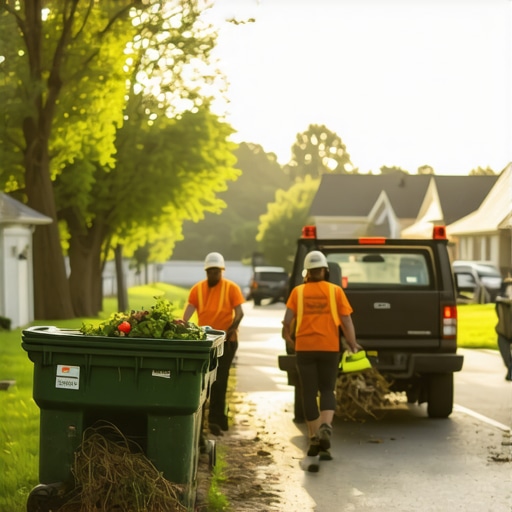
Leaving debris on the parkway without a scheduled pickup creates an environmental liability and attracts local wildlife. In Aurora, code enforcement is quick to issue citations for unmanaged piles. It is not just about aesthetics. It is about public health. Rotting organic matter in the rain leaches nitrates into the groundwater. While most people think recycling is always better, the carbon footprint of hauling low-grade plastics 500 miles often exceeds the impact of local high-efficiency waste-to-energy incineration. We aim for the most direct path to the highest recovery rate. When we handle Furniture Removal, we evaluate the item for its material recovery potential. A leather sofa is not just trash. It is a mix of wood, metal springs, and foam. The foam is often the hardest to process. We do not engage in the throwaway culture. We engage in material management. Our trucks are mobile sorting units. We separate at the source to save time at the destination.
- Lead-acid batteries (Fire hazard)
- Pressurized tanks (Explosion risk)
- Wet paint and solvents (Chemical leaching)
- Biological waste (Health risk)
- Industrial chemicals (Legal liability)
The permit trap for local dumpster rentals
Securing a 20-yard container in residential Aurora often requires specific municipal permits and adherence to strict placement rules. If you place a bin on the street without a permit, the fines will exceed the rental cost. This is why Dumpster Rentals Aurora must be managed by professionals who know the city grid. A live-load truck is often the better solution for narrow driveways or busy thoroughfares. We arrive, we load, and we leave. There is no bin sitting on your lawn killing the grass for a week. The hydraulic pressure of a full bin can crack a standard residential driveway if the weight is not distributed correctly. We use protective boards. We calculate the footprint. We avoid the structural load limits of residential infrastructure. The heavy cost of keeping everything is mental, but the heavy cost of removing it incorrectly is financial. We provide the expertise to avoid both. [{“@context”:”https://schema.org”,”@type”:”HowTo”,”name”:”How to Manage Aurora Yard Waste Removal”,”step”:[{“@type”:”HowToStep”,”text”:”Identify and separate hazardous materials like propane tanks and chemicals.”},{“@type”:”HowToStep”,”text”:”Calculate the total volume of debris in cubic yards to select the right truck size.”},{“@type”:”HowToStep”,”text”:”Check local Aurora ordinances for debris placement and disposal permits.”},{“@type”:”HowToStep”,”text”:”Compress organic material to maximize load density and reduce transport trips.”}]}]
Wow, this post really highlights the importance of safety and proper procedure when handling yard waste and debris removal. I had a similar experience where I found old gas canisters hidden in a pile during a yard cleanup, and it made me realize how many hazards can be overlooked by homeowners. The emphasis on inspecting each item before lifting is crucial, especially since some materials can be highly combustible or toxic. I also appreciated the details about the density calculations—it’s fascinating how much science goes into what seems like a simple task. It makes me wonder, how do local regulations in other areas compare to Aurora’s strict segregation rules? Have any of you faced challenges with permits or hazardous materials in your cleanup projects? I’d love to hear about different approaches or tips for navigating these regulations efficiently, especially for large-scale cleanouts.