The liability of the ditch
Professional junk removal in Aurora protects you from legal liabilities because your waste is tracked through a manifest system until it reaches a licensed facility. Illegal dumping by cut-rate haulers can lead to fines if your personal items or documents are recovered in unauthorized sites.
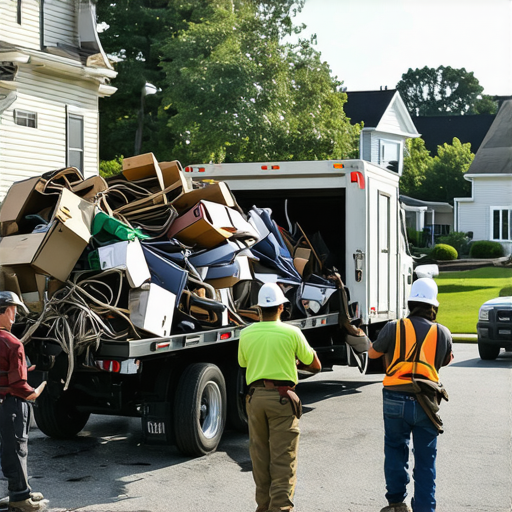
My boots smell like diesel and the floor of my truck is stained with hydraulic fluid from a thousand lift cycles. For twenty-five years, I have lived the logistics of waste. I have seen the same story play out too many times. A business owner tried to save 500 dollars by hiring a guy with a pickup truck from a social media ad. Two weeks later, the police called him because his company confidential files were found in a ditch near the Cherry Creek spillway. Your junk is your liability until it hits the scale at a certified transfer station. There is no middle ground. You either hire a strategist who understands the chain of custody or you gamble with your reputation. Every load we take is a puzzle. We cub out the truck to minimize wasted air space. We calculate the tipping fees based on the density of the debris. If we find lithium-ion batteries hidden in a pile of cardboard, we stop. Those are fire starters. They turn a truck into a torch in seconds. This industry is not about lifting heavy things. It is about managing risk and material recovery in a world that is running out of space to bury its mistakes.
The hidden value of dead metal
Appliance removal is a precision logistical operation where components like copper coils and steel casings are diverted from the landfill to secondary raw material markets. Most Aurora residents do not realize that nearly ninety-five percent of a standard washing machine can be recovered and processed for industrial reuse.
When we pull a refrigerator out of a basement in Aurora, we are not just moving an object. We are transporting a cocktail of refrigerants and metals. The EPA requires strict handling of R-22 or R-134a gases. If a rookie punctures a line, that gas hits the atmosphere and the fines hit the bank account. I have watched the evolution of metal density. Older appliances were built with heavy gauge steel. They were built to last. Today, I see machines that are mostly plastic and thin alloys. We call them disposable. However, the electric motors still contain high-grade copper. We strip them down. We separate the ferrous from the non-ferrous. The science of junk removal is the science of diversion. If it goes to the Aurora landfill, it is dead. If it goes to a scrap processor, it lives another life. We look for the BTU potential in wood and the tonnage in steel. Every pound diverted is a pound you do not pay for in tipping fees. The truck tetris begins here. We place the heavy iron on the floor to lower the center of gravity. We pack the voids with smaller scrap. If there is air in the truck, I am losing money. If the truck is full of high-value metal, the client wins on the backend. This is the math of the haul.
“Waste is merely a resource in the wrong place; professional removal is the science of putting it back where it belongs.” – Disposal Industry Maxim
Why your old sofa is a chemical hazard
Furniture removal involves complex recycling challenges due to the presence of polyurethane foams and flame retardants that complicate the breakdown process. Most modern sofas cannot be easily repurposed if the structural integrity of the frame is compromised or if the materials are saturated with household contaminants.
I despise the current state of fast furniture. It is the bane of my existence. I walk into a garage clean out and see three couches made of pressed sawdust and glue. They are designed to fail. When they get damp in a Colorado basement, they absorb moisture like a sponge. They double in weight. A sixty pound sofa becomes a hundred and twenty pound back breaker. The logistics of furniture removal is about managing volume versus weight. We charge by the cubic yard because air is expensive. If I cannot break down a piece of furniture, it takes up valuable space that could be used for denser materials like concrete or tile. We see it in hoarder clean out aurora projects all the time. People hold onto things thinking they have value. In reality, the foam inside that chair is off-gassing. It is breaking down into a fine dust that enters your lungs. We wear respirators for a reason. We do not just toss it. We evaluate the fabric. We look for the recycling codes on the plastic legs. If the wood is untreated, it might go to a mulching facility. If it is treated with arsenic or other preservatives, it is a hazardous waste stream. The science of disposal is about knowing the difference. The floor snapped once when we were moving a nineteenth-century oak dresser. It was heavy. It was real. Modern furniture just crumbles. It is garbage before it even reaches the truck.
The local math of Aurora waste
Regional disposal rates in Aurora are governed by the tonnage limits of local transfer stations and the specific recycling mandates of Arapahoe County. Understanding the difference between a municipal bulk pickup and a private hauling service is the key to managing large-scale residential clean outs.
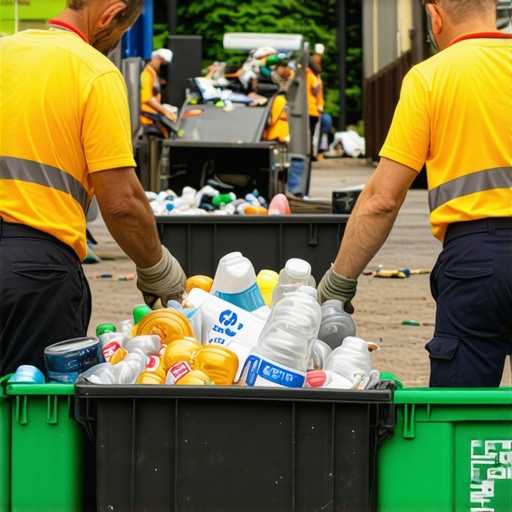
In the suburbs of Aurora, people think the curb is a magical portal. They put out a water heater and expect it to vanish. The municipal trucks have limits. They will not touch a pile of tires or a gallon of old paint. That is where we come in. We know the local landscape of disposal. We know which stations take e-waste and which ones charge a premium for mattresses. I have spent decades calculating the most efficient routes between residential neighborhoods and the Denver Regional Landfill. Every minute my truck idles in traffic is a minute we are not diverting waste. We see specific trends here. In the spring, it is yard waste. In the summer, it is renovation debris. The winter brings the garage clean outs. Each season has a different density. Yard waste is light but bulky. Renovation debris like drywall and 2x4s is heavy and compact. We use 15-yard dumpsters for the heavy stuff. We use 20-yarders for the bulky stuff. If you put concrete in a 20-yarder, you will never get it off the ground. The hydraulics will scream. You have to know the physics of the load. While most people think recycling is always better, the carbon footprint of hauling low-grade plastics 500 miles often exceeds the impact of local, high-efficiency waste-to-energy incineration. We choose the path of least resistance and maximum efficiency.
The data danger in your basement
Electronic waste recycling in Aurora requires specialized handling to prevent heavy metals like lead and mercury from leaching into the groundwater. Beyond the environmental risk, old hard drives and devices contain sensitive personal data that must be physically destroyed to ensure total security.
I once cleared a house where the junk was not just stuff. It was a structural hazard. We found the floor joists were bowing under the weight of 40 years of newspapers that had absorbed ten years of basement humidity. Inside that pile were dozens of old computers. To a homeowner, it is a stack of old plastic. To me, it is a data breach waiting to happen. We treat e-waste like a hazmat situation. We do not just throw it in the back of the truck. We crate it. We ensure the glass on the old monitors does not shatter. If a CRT tube pops, it releases lead dust. My guys know the drill. We use specialized carts. We secure the load. This is the backdoor logistics of the junk world. You have to be an ethical hacker of physical space. You find the bottlenecks. You clear the paths. In a hoarder clean out aurora scenario, the electronics are often buried under layers of organic waste. The heat generated by decomposing paper can actually damage the batteries in those devices, leading to chemical leaks. We pull them out first. We stabilize the environment. Then we start the heavy lifting. It is a systematic extraction. It is not a riot. It is a choreographed movement of materials from a place of stagnation to a place of utility.
“Modern waste management is the frontline of environmental defense; every correctly sorted load is a victory against systemic pollution.” – SWANA Technical Bulletin
Material Decomposition Times
| Material Type | Landfill Decomposition Time | Recycling Potential |
|---|---|---|
| Aluminum Cans | 80-200 Years | High (Infinite Cycles) |
| Plastic Bottles | 450 Years | Moderate (Downcycling) |
| Glass Bottles | 1 Million Years | High (Infinite Cycles) |
| Untreated Wood | 1-3 Years | High (Mulch/Energy) |
| Polyurethane Foam | Never | Low (Specialized Only) |
| Steel Appliances | 50-100 Years | High (Scrap Metal) |
Items Your Hauler Cannot Legally Touch
- Lead-acid batteries from vehicles or UPS systems.
- Propane tanks whether full or empty due to explosion risk.
- Liquid paints and solvents that have not been solidified.
- Biohazardous materials or medical waste.
- Asbestos-containing materials from old pipe insulation or floor tiles.
- Radioactive smoke detectors in bulk quantities.
- Pesticides and restricted agricultural chemicals.
The real math of the load
Dumpster rentals Aurora residents use for DIY projects often result in higher costs due to overweight fees and improper loading techniques that waste volume. A professional crew maximizes the weight-to-volume ratio, ensuring that you pay only for the space your debris occupies rather than the capacity of the container.
When you rent a dumpster, you are paying for the metal box to sit on your driveway. You are also doing the labor. If you throw a treadmill on top of a pile of boxes, you have created a massive air pocket. You are paying for that air. My crew uses the vertical stack method. We break down the boxes. We nest the chairs. We turn the treadmill on its side. We minimize the footprint. This is the Tetris of the truck. I have seen rookies try to load a truck by just tossing things in. I send them home. You have to respect the volume. In Aurora, the tipping fees are rising. The cost of fuel is volatile. We cannot afford to move air. We calculate the density of every load. If we are hauling furniture, we know the weight will be low but the volume will be high. If we are hauling an appliance removal load, the weight is the primary factor. We balance the truck. We ensure the axles are not overloaded. A heavy load on a light truck is a recipe for a broken leaf spring. I have seen it happen. The truck groans. The tires bulge. You have to know the limits of your equipment. This is not a job for someone with a pickup truck and a weekend to kill. This is a logistical operation that requires foresight and a deep understanding of the waste stream. We are the architects of the clean out. We take the chaos of a cluttered garage and turn it into an orderly manifest of recovered materials. The engine roars. The hydraulics hiss. Another load is secured. We move on to the next one. This is the life of the heavy-load specialist. We do the work so the landfill does not have to.