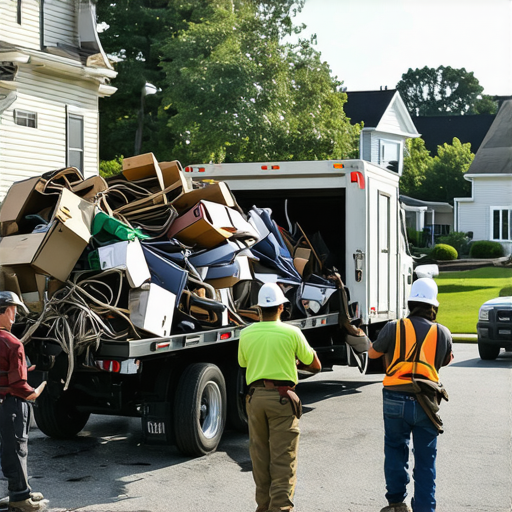
The smell of diesel fuel and hydraulic fluid defines my mornings. It is a scent that signals the start of a logistical battle against urban decay and residential neglect. I have spent twenty five years calculating the density of debris and the specific gravity of waste in Aurora. My hands have felt the weight of a thousand hoarded histories. I watched a rookie almost lose his eyebrows because a customer hid a half-full propane tank inside a pile of harmless yard waste. We do not just lift objects. We inspect every single item because your junk is a liability until it hits the scale. The floor of an attic in Aurora is not just a storage space. It is a structural element under duress. When you ignore the accumulation of decades, you are not just keeping memories. You are stacking fuel for a fire that will burn at temperatures your local fire department cannot easily suppress. High density paper and dry rot timber create a thermal mass that turns a simple home into a kiln. Every cubic yard of air space wasted in your attic is a failure of logistics and a victory for entropy.
The hidden chemistry of old paint and forgotten solvents
Aurora residents often store volatile organic compounds in attics where temperatures fluctuate between extremes. These chemicals degrade over time. The containers rust from the inside out. When the seal fails, the fumes fill the unventilated void. A single spark from a frayed wire or a lightning strike on the roof can turn the attic into a bomb. We see this often during Junk Removal Aurora calls. People think a half gallon of old thinner is harmless. It is not. It is a liquid accelerant waiting for a catalyst. The Resource Conservation and Recovery Act defines how these materials must be handled. You cannot simply throw them in a dumpster rental. They require specialized hazmat manifests. The chemical leaching of lead based products into the wood floor of your attic creates a long term environmental hazard that complicates any future renovation or sale. I refuse to let my crew handle leaking canisters without full PPE. We cubing out a truck is a science of safety first. If we find pressurized cylinders hidden in a pile of furniture, the job stops. Your safety and our lives depend on the integrity of the manifest.
“Waste is merely a resource in the wrong place; professional removal is the science of putting it back where it belongs.” – Disposal Industry Maxim
The heavy cost of keeping old newspapers
Stacked paper in an attic creates a high density fire load that can bow structural joists. Newsprint is a sponge for humidity. In the humid summers of Aurora, those stacks of papers absorb water from the air. This increases their weight by up to thirty percent. I once cleared a house where the junk was not just stuff. It was a structural hazard. We found the floor joists were bowing under the weight of 40 years of newspapers that had absorbed ten years of basement humidity. This is common in Hoarder Clean Out aurora projects. The paper acts as an insulator for the floor, trapping heat in the rooms below while simultaneously providing a perfect nesting ground for rodents. Rodents chew wires. Exposed wires meet dry paper. The result is a total loss of property. We calculate the BTU potential of recovered paper waste. A single room of stacked newspapers has enough energy to melt steel beams if the fire reaches a flashover point. When we perform Garage Clean outs or attic purges, we prioritize the removal of cellulose based hazards. The logistics of moving three tons of paper down a narrow residential staircase require heavy load specialists who understand weight distribution.
| Material Type | Disposal Method | Fire Hazard Level | Logistical Complexity |
|---|---|---|---|
| Polyurethane Foam | Specific Recycling | Critical | High Volume Low Weight |
| Old Newsprint | Bulk Paper Recovery | High | High Weight High Density |
| Lithium Batteries | E-Waste Specialized | Extreme | Hazardous Manifest Required |
| Latex Paint | Solidification/Landfill | Moderate | Heavy Liquid Logistics |
| Propane Tanks | Hazmat Facility | Extreme | Prohibited in Dumpsters |
The electrical graveyard in the eaves
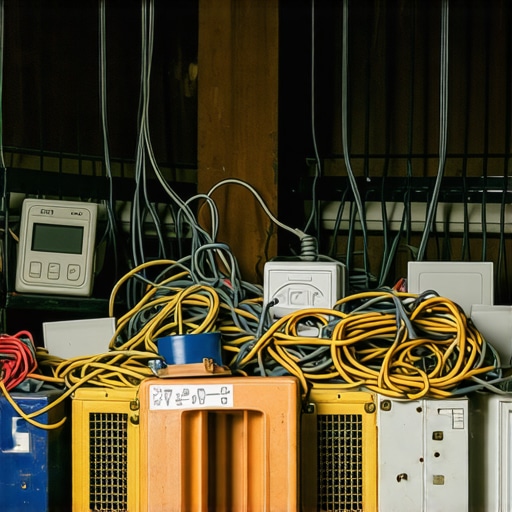
Discarded electronics and old appliances contain heavy metals and lithium batteries that pose a thermal runaway risk. Appliance removal is more than just heavy lifting. It is about identifying the capacitors and batteries hidden within the plastic shells. Modern electronic waste is a data overflow error in physical space. Old CRT monitors contain pounds of lead. Old laptops contain lithium ion batteries that, when crushed in a garbage truck, ignite. This is why a cheap hauler is a legal time bomb. If they dump your e-waste in a ditch, the EPA can trace it back to you. Your junk is your liability until it hits the scale at a certified transfer station. We use specialized containers for Furniture Removal that include electronic components. The plastic housing of 1990s electronics is made of brominated flame retardants which release toxic gases when heated. Keeping these in an unconditioned attic is asking for a respiratory disaster. We focus on the backdoor logistics of disposal to ensure these items go to secondary recovery markets rather than the landfill. The carbon footprint of hauling low grade plastics five hundred miles often exceeds the impact of local high efficiency waste to energy incineration, so we choose our partners wisely based on local Aurora tipping realities.
Why your old sofa is a chemical sponge
Upholstered furniture manufactured before 2005 often contains highly flammable foam and toxic fire retardants. These pieces of furniture are the first things to ignite and the hardest to extinguish. When we do Furniture Removal, we look for the tags. If the foam is crumbling, it is off gassing chemicals into your home. This dust is a respiratory irritant. In an attic, this foam becomes bone dry. It acts like solid gasoline. The structural load limits of residential stairs are often tested during a piano removal or a heavy sofa extraction. We use mechanical advantage and specialized straps to ensure the safety of the structure and the crew. A 15 yard truck can cube out quickly with bulky furniture. We maximize every inch of the load to reduce the number of trips to the transfer station. This lowers the fuel consumption and the overall cost for the homeowner. Do not let your attic become a graveyard for dead foam and synthetic fabrics. These materials have no recovery value and should be sent to high efficiency waste to energy plants where their BTU potential can be harvested safely.
Items your hauler cannot legally touch
- Propane and oxygen tanks without certification
- Lead acid and lithium ion batteries in general waste
- Wet paint and liquid industrial solvents
- Asbestos containing insulation or floor tiles
- Medical waste and biohazardous materials
- Ammunition and unspent pyrotechnics
“The management of hazardous household waste is the primary barrier to safe municipal solid waste operations.” – Solid Waste Association of North America
The ghost in the garage
Garage Clean outs often reveal hidden hazards like old motor oil and pesticide stockpiles. Aurora regulations are strict about the disposal of automotive fluids. You cannot pour them down the drain. You cannot put them in a dumpster rental. They must be taken to a household hazardous waste collection site. We often find that homeowners have forgotten about the five gallon buckets of used oil sitting in the corner of the garage. This oil seeps into the concrete. It creates a slip hazard and a fire risk. When we perform a full clean out, we categorize every item. We separate the recyclables from the hazardous waste and the general debris. This level of detail is what separates a professional waste management strategist from a guy with a pickup truck. The logistics of managing multiple waste streams on a single job site require a deep understanding of local landfill rules and tipping fees at sites like the Orchard Hills Landfill. We strive for a high diversion rate, ensuring that only the truly non recyclable material ends up buried. Every ton diverted is a win for the environment and the local economy.
Regional disposal realities and local Aurora mandates
Aurora residents must navigate specific municipal rules regarding bulky item pickup and hazardous waste disposal. The city has designated windows for certain types of waste. If you miss the window, your junk sits on the curb, creating a nuisance and a potential fine. This is why professional Junk Removal Aurora services are essential for large scale projects. We understand the local ordinances. We know which transfer stations accept specific materials. We handle the permits for dumpster rentals in narrow residential streets where space is a premium. The logistical reality of Aurora waste management involves navigating traffic, weight limits, and strict environmental compliance. We provide a seamless transition from a cluttered fire hazard to a clean, safe space. Do not wait for a fire inspector or a tragedy to clear your attic. The cost of removal is a fraction of the cost of a structural fire. Take control of your logistics. Clear the debris. Protect your investment.