
I look at a house in Aurora and I do not see rooms. I see 4,500 cubic feet of potential energy and 12 tons of static load. I once cleared a house where the junk was not just stuff. It was a structural hazard. We found the floor joists were bowing under the weight of 40 years of newspapers that had absorbed ten years of basement humidity. The density of wet newsprint reaches 50 pounds per cubic foot. In a standard 12 by 12 room stacked five feet high, that is 36,000 pounds. Most residential floor joists are rated for 40 pounds per square foot of live load. You are looking at a catastrophic failure event waiting for a trigger. This is the reality of extreme hoarding clean out situations. It is not about tidying up. It is about structural salvation and toxicological management. We found a subfloor that had turned into a sponge. The ammonia levels from pet waste had literally decrystallized the cellulose in the wood. This is why you do not hire a kid with a pickup truck. You hire a strategist who understands the physics of decay.
The structural weight of hidden history
Hoarder Clean Out aurora operations involve structural load assessments and logistical planning. Junk Removal Aurora professionals must calculate cubic-yard density to prevent truck axle failure. Professional relief for Aurora homes includes hazardous material identification, mold remediation, and mass waste diversion to local transfer stations and landfills.
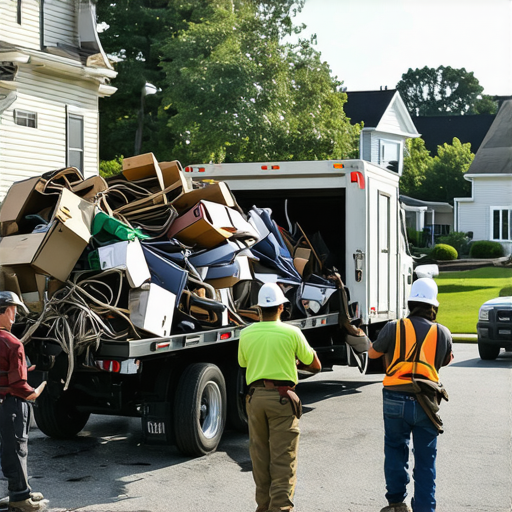
A typical hoarding situation in the Fox Valley region often hides more than just memories. It hides mechanical failure. When debris covers baseboard heaters, the fire risk increases exponentially due to restricted airflow and thermal insulation of the dust. We analyze the pack density of every room. A loose pack of clothing has a different logistical footprint than a tight pack of magazines. Magazines are the enemy of the suspension system. A stack of National Geographic magazines is basically a brick. When you have thousands of them, you are no longer doing a clean out. You are performing a mining operation. We use 15-yard and 20-yard trucks for a reason. Any larger and the weight of a dense hoarder load would exceed the legal gross vehicle weight for residential streets in Aurora. We have to tetris the load. Heavy items go over the axles. Light, high-volume items go in the nose. We do not leave air in the truck. Air is a waste of money and fuel.
“Waste is merely a resource in the wrong place; professional removal is the science of putting it back where it belongs.” – Disposal Industry Maxim
[image_placeholder_1]
Aurora regulatory compliance and disposal fees
Dumpster Rentals Aurora must comply with City of Aurora waste ordinances regarding right-of-way permits. Junk Removal costs are influenced by tipping fees at regional landfills like Orchard Hill. Professional haulers manage electronic waste and white goods according to Illinois EPA standards for responsible disposal.
The legal landscape of waste in Illinois is strict. You cannot just throw a television in a dumpster. That is a violation of the Electronic Products Recycling and Reuse Act. If we find a pallet of old CRT monitors in your garage, they require specialized handling. The leaded glass inside those tubes is a hazardous waste concern. We track every pound. We know the tipping fees at every transfer station near Route 31 and Route 34. Those fees fluctuate based on the type of material. Clean construction debris is one price. General household waste is another. Mixed loads are the most expensive. This is why we sort on-site. We separate the scrap metal from the wood. We separate the cardboard from the plastic. By increasing our diversion rate, we lower the cost for the homeowner and keep unnecessary bulk out of our local soil. It is a game of margins and ethics.
The mechanical failure of old appliances
Appliance removal in Aurora requires the recovery of refrigerants like Freon or Puron. Junk Removal Aurora services handle refrigerators, stoves, and washing machines by following Clean Air Act protocols. Heavy appliance extraction involves specialized dollies and ergonomic lifting techniques to protect residential flooring and doorframes.
Removing a 400-pound refrigerator from a basement is a study in friction and gravity. The compressor contains oil and refrigerant. If you tip it the wrong way, you ruin the unit or risk a leak. In a hoarding situation, these appliances are often blocked by tiers of secondary debris. We have to build a path first. We use 1/4-inch plywood runners to protect the floors. We do not drag. We glide. The technical aspect of appliance disposal is often overlooked. The capacitors in old microwaves can hold a lethal charge for years. We treat every unit as live until proven otherwise. This is not just hauling. It is decommissioning a residential power plant. We ensure that the ferrous and non-ferrous metals are recycled, which feeds back into the local economy and reduces the demand for raw ore mining.
| Method | Cost Structure | Best For | Labor Level || :— | :— | :— | :— || Dumpster Rental | Flat fee + Overages | DIY Renovations | High || Full Service | Per Cubic Yard | Hoarder Clean Outs | Zero || Curbside Pickup | Per Item | Single Appliances | Moderate || Scrap Hauling | Weight-based | Metal Recovery | Variable |
The ghost in the garage
Garage Clean outs in Aurora focus on hazardous waste identification and space optimization. Junk Removal specialists identify volatile organic compounds in old paint and pesticides. Professional garage clearing restores property value and eliminates pest harborage by removing bulk items and deteriorated storage containers.
Garages are the lungs of the home, but in a hoarding scenario, they are suffocated. The concrete floor in an Aurora garage is porous. If you have had a leaking jug of antifreeze or motor oil sitting there for a decade, it is not just a stain. It is a chemical migration. We look for signs of concrete spalling and chemical etching. We often find that the garage has become a sanctuary for rodents. The nests are built from shredded insulation and paper. This creates a hantavirus risk. Our team wears P100 respirators for a reason. We do not kick up dust. We mist it down or use HEPA vacuums. The logistical challenge here is the sheer variety of materials. You have tires, which landfills hate. You have old fuel, which is a fire hazard. You have scrap lumber that might be pressure-treated with arsenic. We categorize everything before it touches the truck bed.
Hidden dangers in the bottom layer
Furniture Removal involves the disassembly of oversized items to maximize truck volume. Junk Removal Aurora experts check for biohazards and infestations in upholstered furniture. Safe disposal of couches, mattresses, and recliners prevents the spread of pests and ensures compliance with local sanitation laws.
When you peel back the layers of a hoard, the bottom layer is usually a compressed mat of organic decay. This is the bio-layer. It is where the moisture collects. We have seen furniture that has literally bonded with the carpet through a process of fungal growth. Removing a sofa that weighs 200 pounds dry and 400 pounds wet is a different kind of math. We use industrial-grade plastic wrap to seal infested or molded furniture before it moves through the house. We do not want to cross-contaminate the clean zones. This is the difference between a professional service and a casual hauler. We think about the air quality long after we are gone. We are not just removing objects. We are removing pathogens.
“Proper management of household hazardous waste protects sanitation workers and prevents groundwater contamination.” – Environmental Safety Protocol
Items your hauler cannot legally touch
Junk Removal companies must follow RCRA guidelines for prohibited materials. Aurora residents should use municipal hazardous waste days for unauthorized items. Professional haulers provide guidance on safe transport of restricted substances to specialized processing facilities.
- Gasoline and Motor Oil
- Lead-Acid Car Batteries
- Pressurized Propane and Oxygen Tanks
- Biohazardous and Medical Waste
- Industrial Strength Solvents and Acids
- Ammunition and Explosives
- Radioactive Materials like old smoke detectors
Tactical furniture extraction
Furniture removal requires mechanical advantage and spatial awareness. Junk Removal Aurora teams use leverage tools to navigate narrow hallways. Professional relief for Aurora homes includes the breakdown of composite furniture to reduce volumetric displacement in the transport vehicle.
Modern furniture is often made of particle board. Once it gets damp, it loses its structural integrity and becomes a liability during a move. It can crumble in your hands. We call this the IKEA effect. We often have to use reciprocating saws to break down these items in situ. This reduces the risk of injury and allows us to pack the truck with higher density. We look at the grain of the wood. We look at the joinery. If it is a high-quality antique, we treat it with respect. If it is water-damaged pressboard, it is treated as loose debris. The goal is always to maximize the cubic yardage of the truck. Every empty inch in that truck bed is a dollar wasted for the client. We pack it like a puzzle. We fill the voids with smaller items. This is how we provide value in the waste management chain.
A strategy for reclaiming space
Hoarder Clean Out success depends on methodical execution and staged removal. Junk Removal Aurora providers offer comprehensive solutions for extreme clutter. Professional clean outs restore home safety, improve indoor air quality, and facilitate property restoration for Aurora homeowners and estates.
The process starts at the door and works inward. We establish a clear egress. Safety is the primary concern. If a fire broke out in a hoarded home, the occupants would be trapped by the very items they collected. We remove the obstacles first. We create lanes. Then we work room by room, top to bottom. We do not just grab stuff. We evaluate the floor. We check for soft spots. We listen for the groan of the joists. By the time we reach the final load, the house feels different. The air moves again. The smell of diesel from the truck outside is a smell of progress. It is the smell of a problem being solved by weight and measure. We take the burden to the scale so you do not have to carry it anymore. Your liability ends when our gate closes.“
Reading this post really highlights the importance of professional approach in hoarder clean outs. I worked on a project similar to this in Aurora where the structural integrity of the house was compromised by accumulated debris and moisture. It made me realize how much potential danger is hidden beneath what looks like simple clutter. The thought of wet newspapers weighing thousands of pounds and the risk of floor joists bowing is alarming. I wonder, for homeowners in Aurora, what are some proactive measures to prevent this kind of hazard before it turns into a structural issue? It seems like regular inspections and early cleanup could make a huge difference. Also, I’m curious, how often do you recommend homeowners have a professional assessment before things reach this critical point? It’s fascinating how logistics, safety, and environmental considerations come together in these clean outs. Great insight into the complexity behind what might seem like just a cleanup job.”,
This post really underscores how crucial a comprehensive and professional approach is when dealing with extreme hoarding situations. I was involved in a project in Aurora where neglecting such issues led to serious structural damage, especially due to hidden moisture and accumulated debris. The mention of newspapers absorbing humidity and adding thousands of pounds to the load is a stark reminder of what’s at stake. It makes me wonder, how can homeowners in Aurora stay vigilant without waiting for an obvious disaster? Are there recommended periodic inspections or early intervention strategies that could help prevent these hidden hazards from escalating? From my experience, early detection combined with professional assessment can save properties from costly repairs and endangerment. It’s also interesting to see how logistics and safety protocols are so vital in these scenarios—something many might underestimate. If more homeowners understood the risks of delaying cleanup and inspection, perhaps the frequency of catastrophic failures could be reduced. I’d love to hear others’ thoughts on effective preventative measures or early warning signs to watch for.