
The structural cost of silence
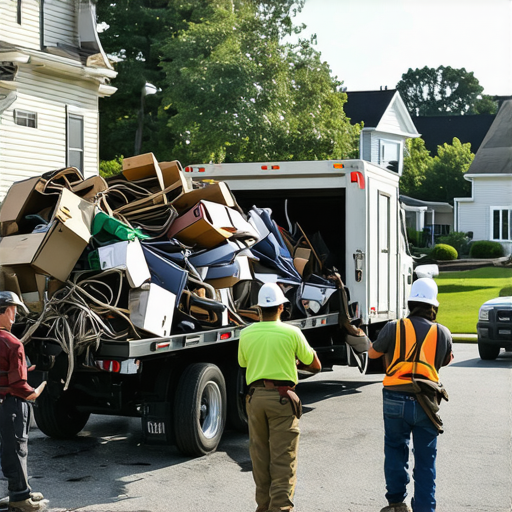
Hoarder Clean Out Aurora projects require specialized logistical planning because the accumulated weight of decades of material can compromise residential floor joists and structural foundations. Professional waste management experts must assess load bearing limits and identify potential biohazards such as mold, rodent droppings, and decomposing organic matter before removal begins. I once cleared a house where the junk wasn’t just ‘stuff.’ It was a structural hazard. We found the floor joists were bowing under the weight of 40 years of newspapers that had absorbed ten years of basement humidity. The paper had turned into a solid, heavy block of cellulose that weighed four times its dry state. This is the reality of extreme hoarding. It is not a simple cleaning task. It is a hazardous material recovery operation. When moisture enters a hoard, the density of the material spikes. A standard fifteen yard dumpster that usually holds two tons of household debris will cub out at six tons if the paper is wet. This triggers massive overage fees at the Aurora Landfill on Missile Site Road. We look for the bowing of the subfloor. We look for the darkening of the drywall. If the house smells like ammonia, we know we are dealing with high concentrations of animal waste. This requires Level C personal protective equipment including Tyvek suits and P100 respirators. The risk of hantavirus in the Aurora region is a legitimate concern when disturbing long standing piles of debris in garages or crawl spaces.
The invisible weight of organic decay
Biohazard management in hoarding situations involves the identification and neutralization of pathogens found in stagnant waste and animal infestations. In Aurora homes, this often means addressing black mold and feline waste which release airborne spores and toxic ammonia gases that can cause long term respiratory damage to unprotected occupants. The science of decomposition is unforgiving. When organic matter is trapped under piles of Furniture Removal debris, it creates an anaerobic environment. This promotes the growth of bacteria and fungi that eat away at the home’s infrastructure. We categorize these as Category 3 water damage equivalents even if a pipe never burst. The humidity trapped in the hoard is enough to trigger the decay.
“Waste is merely a resource in the wrong place; professional removal is the science of putting it back where it belongs.” – Disposal Industry Maxim
Every cubic yard of material we pull out of a Garage Clean outs project is inspected for wet rot. If we find it, we cannot simply throw it in a general waste bin. It becomes a special handling item. The EPA has strict guidelines on how bio contaminated waste must be processed.
“The Resource Conservation and Recovery Act (RCRA) creates the framework for the proper management of hazardous and non-hazardous solid waste to protect human health and the environment.” – Environmental Protection Agency
Local permits and the Aurora grid
Dumpster Rentals Aurora residents must navigate specific municipal codes and street use permits when placing large waste containers on public property. The City of Aurora requires a permit if the container blocks a sidewalk or occupies a public right of way, and failure to secure this leads to heavy fines. If you are planning a massive clean out near the Anschutz Medical Campus or the residential areas of Seven Hills, you must understand the logistical constraints of the local grid. Our trucks are heavy. A fully loaded roll off truck can weigh 60,000 pounds. If we place a dumpster on a driveway that was poured with thin concrete, it will crack. We use wood planking to distribute the load, but many ‘curbside cowboys’ forget this step. They drop the bin, collect the cash, and leave the homeowner with a five thousand dollar driveway repair bill. In Aurora, the wind is also a factor. If a dumpster is left uncovered, the debris becomes a projectile on a gusty day. We use heavy duty vinyl tarps secured with bungee cords to meet local transit safety laws.
The hazardous profile of older appliances
Appliance removal in older Aurora properties necessitates the careful extraction of refrigerants like R-22 and the management of heavy metals found in vintage motors. Federal law prohibits the venting of ozone depleting substances into the atmosphere, requiring certified technicians to recover these chemicals before the metal can be recycled. Most people see an old freezer in a garage as a nuisance. I see a pressurized vessel of chlorofluorocarbons. If a rookie hits a cooling line with a reciprocating saw, they are committing a federal offense. We use specialized recovery pumps to vacuum the gas into DOT approved cylinders. Then there are the capacitors. Older appliances often contain PCBs. These are toxic chemicals that do not break down in the environment. We treat every Appliance removal as a potential hazmat situation. We pull the doors off every fridge before it hits the truck to prevent the tragic possibility of a child or animal getting trapped inside. This is not just a safety tip. It is a legal requirement in many jurisdictions.
Physics of the fifteen yard bin
Calculating the volume and weight of a Junk Removal Aurora load is essential for maintaining vehicle safety and avoiding landfill penalties for overweight containers. Most residential junk averages 250 pounds per cubic yard, but dense materials like books or tile can exceed 1,000 pounds per yard, quickly reaching truck weight limits. Logic dictates that you fill the bottom of the bin with the heaviest items. We call this ‘flooring the load.’ If you put a cast iron tub on top of a pile of sofas, the load will shift during transit. This can cause a truck to tip on a sharp turn or during a sudden stop on I-225. We look for ‘air space.’ If we see holes in the load, we are losing money. We break down every piece of furniture. A sofa is ninety percent air. We strip the fabric, cut the frame, and stack the wood. This maximizes the ‘pack density.’
| Material Category | Average Weight (lbs/yd) | Disposal Complexity | Recovery Potential |
|---|---|---|---|
| Loose Household Junk | 250 | Low | 20% |
| Hoarded Wet Paper | 800 | High | 0% |
| Construction Debris | 1,200 | Medium | 60% |
| Appliance Metals | 1,500 | High | 95% |
The hidden cost of cheap labor
Hiring unlicensed haulers for Junk Removal often results in illegal dumping and shared legal liability for the property owner if their items are found in unauthorized areas. Municipalities track illegal dumping through mail and documents found in the trash, leading to fines that far exceed the cost of professional disposal services. Your junk is your liability until it hits the scale at a licensed transfer station. If a guy with a pickup truck dumps your old mattress in a ditch, and the police find a utility bill with your name on it, you are the one getting the court summons. Professional companies provide a ‘manifest’ or a dump receipt. This is your ‘get out of jail free’ card. It proves the waste was handled according to RCRA standards. We pay tipping fees that vary based on the material. At the Aurora transfer stations, clean wood is cheaper than mixed waste. If we sort the load, we save money, and we pass that to the client. The ‘cheap’ guy doesn’t sort. He just looks for the darkest road and pulls the lever.
- Lead acid batteries from old vehicles
- Propane tanks and pressurized cylinders
- Aerosol cans containing flammable propellants
- Fluorescent light tubes containing mercury vapor
- Industrial solvents and oil based paints
- Biohazardous medical waste and needles
Waste diversion and the environmental mandate
Modern waste management emphasizes the diversion of materials from landfills to recycling centers to reduce the carbon footprint of urban disposal. In Aurora, this means separating metals, plastics, and electronics from general waste to comply with growing environmental regulations and resource recovery goals. While most people think recycling is always ‘better,’ the carbon footprint of hauling low-grade plastics 500 miles often exceeds the impact of local, high-efficiency waste-to-energy incineration. We focus on ‘High Value Diversion.’ Metals like copper, aluminum, and steel are always recovered. They have a high BTU potential and a low energy cost for secondary processing. Wood waste can be mulched. Concrete can be crushed for road base. The goal of a professional Hoarder Clean Out aurora team is to minimize the volume sent to the ‘hole.’ We look at a house full of items and see a puzzle of material types. We see the potential for a second life in the steel of an old bed frame or the porcelain of a discarded sink. This is how we keep Aurora clean. It is not just about moving piles. It is about the chemistry, physics, and ethics of disposal.