
Hoarder Clean Out Aurora: Support Systems for Local Families
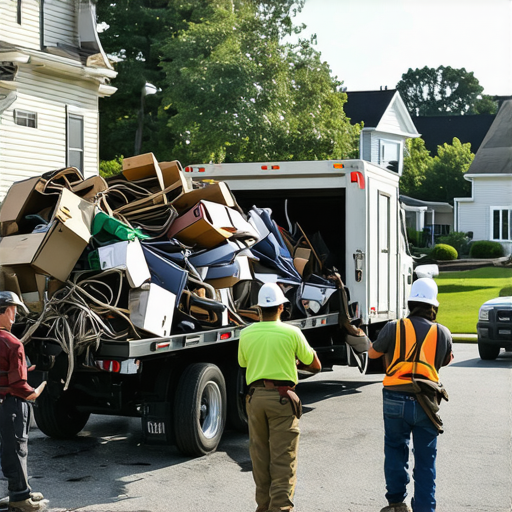
The smell of diesel and hydraulic fluid is the only thing that clears the mind before a heavy load. I once cleared a house where the junk was not just stuff. It was a structural hazard. We found the floor joists were bowing under the weight of 40 years of newspapers that had absorbed ten years of basement humidity. Every step on that floor felt like walking on a sponge made of lead. The owner had no idea that their collection of local news had reached a cubic yard density of nearly 1,000 pounds per section. This is the reality of waste management. It is not about throwing things away. It is about the physics of weight, the chemistry of decay, and the cold hard math of tipping fees at the Denver Regional Landfill. When a family in Aurora calls for help, they are not just looking for a truck. They are looking for a logistical exit strategy from a physical prison. [IMAGE_PLACEHOLDER]
The structural anatomy of an Aurora hoarding site
Hoarder clean out Aurora services involve a high-intensity logistical operation requiring specialized heavy-duty equipment, PPE, and rigorous sorting protocols. These systems provide local families with a roadmap for material recovery while managing the significant structural and biohazardous risks inherent in long-term domestic accumulation within the Colorado Front Range region.
A hoarding situation is a data overflow error in physical space. In Aurora, the older residential pockets near East Colfax or the suburban stretches toward Buckley Space Force Base present unique challenges. The narrow hallways of a 1950s ranch house are not designed for the extraction of a 400 pound cast iron bathtub or a stack of water damaged encyclopedias. We analyze the load path of the building before the first box is moved. If the floor is soft, we use plywood sheeting to distribute the weight of our crew. This prevents a catastrophic breakthrough into a crawlspace. We calculate the volume in cubic yards because that is how the world of waste is measured. A 15 yard truck can hold roughly the same volume as six modern refrigerators, but if that volume is composed of wet drywall, the weight will exceed the axle limit before the truck is even half full. Cubing out a truck is an art. You place the heavy, flat items on the bottom and use the soft goods to fill the voids. Air is the enemy of a profitable haul. Every cubic inch of empty space in that truck is money leaking out of the exhaust pipe.
The ghost in the garage
Garage clean outs require a tactical approach to chemical identification and volumetric optimization to ensure safety and compliance with Colorado environmental standards. Most residential garages in Aurora house at least fifty gallons of legacy fluids that require specialized handling before they can be legally transported to a transfer station or recycling center.
The garage is often where the most dangerous items hide. People think a garage is for cars, but in a hoarding or high density junk situation, it becomes a graveyard for half-finished projects and hazardous materials. We find old lead-acid batteries leaking onto concrete, creating a toxic slurry that can eat through boot soles. We find pressurized propane tanks hidden under piles of yard waste. This is why a curbside cowboy with a pickup truck is a liability. If they dump your old paint thinners in a ditch near Cherry Creek, the EPA and local authorities can trace that waste back to your address. Your junk is your legal responsibility until it hits the scale at a licensed facility like the DADS Landfill. We maintain a strict manifest for every load. We track the flow of debris from the moment it leaves your driveway until it is processed. This is the only way to protect the homeowner from the long tail of environmental liability. Professional garage clean outs are about more than just space. They are about neutralizing a domestic hazmat site.
| Material Category | Cubic Yard Weight (Lbs) | Disposal Priority | Aurora Recovery Rate |
|---|---|---|---|
| Loose Domestic Waste | 150 to 250 | High | 30% |
| Wet Construction Debris | 400 to 600 | Medium | 15% |
| Compressed Paper/Books | 800 to 1000 | Low | 85% |
| Modern Appliance Scrap | 200 to 300 | Critical | 95% |
“Waste is merely a resource in the wrong place; professional removal is the science of putting it back where it belongs.” – Disposal Industry Maxim
Why your cheap hauler is a legal time bomb
Junk removal Aurora residents often overlook is a regulated industry where the lowest price frequently indicates a lack of insurance, proper licensing, or legal disposal permits. Hiring uncertified labor for heavy lifting and waste transport exposes property owners to personal injury lawsuits and significant municipal fines for illegal dumping activities.
The economics of waste are rigid. Tipping fees at local Aurora transfer stations are calculated by the ton or the cubic yard. If someone offers to clean out your entire basement for a price that is lower than the local tipping fee, they are not a businessman. They are a ghost. They will take your money, drive three blocks away, and dump your old sofa and broken microwave in an alleyway. When the Aurora code enforcement officers find your old mail in that pile, the fine will be five times what you saved. Furthermore, the physical risk of furniture removal is immense. A standard sleeper sofa can weigh 350 pounds and contains a spring loaded mechanism that can sever a finger if handled incorrectly. We use shoulder dollies, floor runners, and team lifting techniques honed over decades. We understand the center of gravity. We know how to pivot a headboard through a tight corner without taking out the drywall. This is not just muscle. This is physics applied to domestic chaos.
The heavy cost of the permanent collection
Appliance removal involves the systematic extraction of heavy units followed by the legal recovery of refrigerants and hazardous metals in accordance with the Resource Conservation and Recovery Act. These items cannot simply be tossed into a landfill because they contain components that pose a direct threat to the local water table and atmospheric health.
Old appliances are the anchors of a hoarder house. They stay where they die because they are too heavy to move. An old refrigerator from the 1980s is a beast of steel and chlorofluorocarbons. We do not just drag these out. We assess the path. We remove doors to prevent children or pets from getting trapped. We use specialized appliance dollies with air-filled tires to protect the hardwood floors of Aurora homes. Once the unit is on the truck, the real work begins. We transport these to certified scrap processors who can safely evacuate the freon. While most people think recycling is always better, the carbon footprint of hauling low-grade plastics 500 miles often exceeds the impact of local, high-efficiency waste-to-energy incineration. However, with metal appliances, the recovery rate is nearly 100 percent. It is the most efficient part of the waste stream. We take pride in the fact that your old, broken dishwasher will eventually become part of a new steel beam or a car frame.
“Proper management of household hazardous waste is not a suggestion but a requirement for regional groundwater safety.” – EPA Waste Management Guidelines
The logistics of hazardous extraction
Hoarder clean out aurora operations must prioritize the identification of biohazards including mold, pest infestations, and expired chemical products before any removal begins. Failure to utilize proper Personal Protective Equipment or HEPA-rated filtration can result in the cross-contamination of the entire residential structure during the debris removal process.
When you enter a high density hoard, you are entering a microclimate. The air is different. It is thick with dust, fungal spores, and often the ammonia scent of neglected pet waste. We don our Tyvek suits and P100 respirators not for show, but for survival. Every time you move a stack of old magazines, you kick up a cloud of particulates that have been settling for years. This is why we use negative air machines in extreme cases. We want to ensure that as we clean the house, we are not polluting the air the family breathes. We also look for the hidden hazards. A common find in Aurora basements is old asbestos floor tiles that have been shattered under the weight of heavy storage. Moving these requires a specialized abatement approach. We do not just toss them in the bin. We wet them down, bag them in 6-mil plastic, and follow the letter of the law. If we find a lithium ion battery that has been crushed, we treat it like a bomb. Those things can self-ignite and burn at 1,000 degrees. We are the filter between a dangerous environment and a safe, empty home.
- Explosive materials including ammunition and commercial fireworks.
- Pressurized cylinders such as oxygen tanks or fire extinguishers.
- Biohazardous waste including medical needles and human remains.
- Large quantities of liquid paint or industrial solvents.
- Radioactive items like certain vintage smoke detectors or medical gear.
- Asbestos-containing materials that have not been professionally mitigated.
Realities of Aurora tipping fees and disposal zones
Dumpster rentals Aurora contractors provide must be matched to the specific weight capacity of the delivery vehicle and the structural limits of the driveway surface. Overloading a roll-off container with heavy materials like concrete or dirt can lead to equipment failure and significant property damage during the pick-up phase of the project.
If you are thinking about doing this yourself with a rental, you need to understand the weight limits. A 20-yard dumpster is not a license to fill it with rocks. Most rental companies in the Aurora area have a 4 to 5 ton weight limit. If you fill that bin with old bricks from a patio project, you will hit that limit when the bin is only one third full. The truck will arrive, try to lift the bin, and the hydraulic lines will scream or the front wheels will lift off the ground. Then you are stuck with a heavy bin that no one can move. This is why we prefer live loading. We bring our own trucks and our own crew. We manage the weight in real time. We know that if we are loading heavy furniture removal items, we can fill the truck. If we are loading old roofing shingles, we stop at the halfway mark. We save the homeowner from the surprise of overage fees, which can be as high as $100 per ton above the limit. We navigate the streets of Aurora, from the wide avenues of Southlands to the tighter residential blocks near the Aurora History Museum, with a focus on precision and safety. The goal is to leave the property in better shape than we found it, without a single scratch on the driveway or a single fine from the city. The final load is always the most satisfying. The truck pulls away, the suspension is settled, and the house finally has room to breathe.
Reading through this post really highlights the complexity behind hoarder clean outs and the importance of professional expertise. I agree that these situations are often about more than just clearing space; they involve understanding structural safety, hazardous materials, and environmental compliance. I’ve seen firsthand how unmanaged hoarding can lead to serious health and safety risks—like the structural concerns mentioned with old newspapers and heavy debris. What I find particularly interesting is the emphasis on proper waste handling and the dynamics of load distribution in trucks. It makes me wonder, how do crews ensure they’re correctly estimating the weight of different materials before loading, especially in confined residential spaces? It seems like a precise science, but also an art. Overall, I believe supporting families with these services is crucial, both for their safety and peace of mind. Has anyone experienced a situation where a hoarding cleanup resulted in a surprising discovery or an unexpected hazard that required immediate attention? Would be great to hear some real stories.
This post really sheds light on the immense complexity behind hoarder clean outs—it’s not just about clearing clutter but managing structural, environmental, and legal risks. I’ve personally seen situations where hazardous materials, like old propane tanks or leaking batteries, took professionals by surprise and required immediate, careful handling. It’s impressive how much planning and expertise go into safely removing items without endangering the residents or the environment. I wonder, with the rising costs of waste disposal and stricter regulations, how do smaller cleanup companies stay competitive while maintaining these high safety standards? I’ve also heard about some innovative waste segregation methods that can improve recovery rates—has anyone had success with such approaches or seen new tech making this process more efficient? This kind of responsible disposal truly benefits the community in the long run, especially when it comes to protecting groundwater and local ecosystems. Supporting families during these difficult times with professional, safe, and eco-friendly solutions is undoubtedly crucial.