The structural weight of hoarding and the Aurora reclamation process
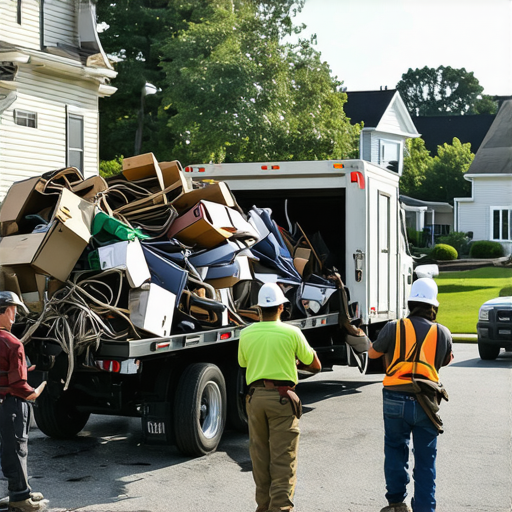
Hoarder clean out Aurora services require a logistical strategy that addresses structural integrity, biohazard mitigation, and waste diversion. In Aurora, Illinois, these projects involve moving massive tonnage through residential zoning while adhering to Illinois EPA regulations and local landfill tipping protocols at the Transfer Station. I once cleared a house where the junk wasn’t just stuff. It was a structural hazard. We found the floor joists were bowing under the weight of 40 years of newspapers that had absorbed ten years of basement humidity. The paper had become a solid block of cellulose, weighing nearly 40 pounds per cubic foot. The floor was inches from a total collapse into the crawlspace. We had to shore up the beams with screw jacks before a single man stepped inside. This is the reality of waste management. It is not about throwing things away. It is about managing the physics of a failing structure and the chemistry of decaying organic matter. The smell of diesel from our trucks and the hydraulic whine of the lift gate are the only sounds of progress in these dead zones. [IMAGE_PLACEHOLDER]
The physics of the pack in Aurora
Junk removal Aurora operations succeed based on load density and cubic yardage optimization to minimize trips to the landfill. Efficient waste hauling requires logistical tetris where heavy appliances form the base and loose debris fills the interstitial voids to prevent load shifting during transport. Air is the enemy of the waste strategist. Every cubic inch of empty space in a 15-yard truck represents a loss in efficiency and a waste of diesel. We pack with a vengeance. We break down the pressboard furniture that the grumpy shopkeeper down the street hates so much. Modern furniture is mostly glue and sawdust. It has no structural value but takes up immense volume until it is pulverized. We use high-pressure hydraulic rams to crush these items, ensuring the truck hits its weight limit before it hits its volume limit. This is called cubing out. In Aurora, where traffic on Route 59 or Eola Road can turn a simple trip to the transfer station into a two-hour logistical drain, you cannot afford to haul air. You haul density.
“Waste is merely a resource in the wrong place; professional removal is the science of putting it back where it belongs.” – Disposal Industry Maxim
The heavy cost of keeping everything
Furniture removal and appliance removal Aurora costs are calculated by volume, weight, and labor hours required for extraction. Tipping fees at local waste transfer stations fluctuate based on commodity prices for scrap metal and recyclable cardboard, directly impacting the total cleanout budget. People think a cheap hauler is a bargain. It is a legal time bomb. A business owner tried to save 500 dollars by hiring a guy with a pickup truck from a social media ad. Two weeks later, the police called him because his company confidential files were found in a ditch. Your junk is your liability until it hits the scale and you have a manifest in your hand. We track every pound. We know exactly which landfill receives which load. We understand the Resource Conservation and Recovery Act better than most lawyers. If you hire a curbside cowboy and he dumps your old refrigerator in a Fox River feeder stream, the EPA will find the serial number. They will find you. Professionalism is not just about the heavy lifting. It is about the chain of custody for your debris.
The chemistry of the clutter
Garage clean outs often uncover hazardous materials such as lead-acid batteries, volatile organic compounds, and lithium-ion cells that require specialized disposal. Professional junk removal Aurora teams must identify corrosive, flammable, or toxic substances to prevent chemical reactions within the waste stream. I watched a rookie almost lose his eyebrows because a customer hid a half-full propane tank inside a pile of harmless yard waste. We don’t just lift. We inspect. Every. Single. Item. A single leaking battery can contaminate an entire 20-yard load of recyclable metal, turning a profitable haul into a hazmat nightmare that costs thousands to remediate. In Aurora, we see a lot of old paints and solvents from the industrial era. These cannot go into the general waste stream. They leach into the groundwater. They destroy the liners of the landfills. We categorize. We segregate. We dominate the waste stream through superior technical knowledge.
The financial math of volume versus weight
Dumpster rentals Aurora and full-service junk removal pricing models depend on the density of the materials being discarded. Construction debris like concrete or shingles is billed by tonnage, while household hoards are generally billed by cubic yards due to the high labor-to-weight ratio. Use this table to understand how we calculate the logistics of your mess.
| Material Type | Average Weight per Cubic Yard | Disposal Method | Reclamation Value |
|---|---|---|---|
| Mixed Household Junk | 250 – 300 lbs | Landfill Transfer | Low |
| Construction Debris | 1,500 – 2,000 lbs | C&D Recycling | Medium |
| Scrap Metal | Variable | Smelter | High |
| E-Waste | Variable | Specialized Shredding | Negative (Fee Based) |
When we look at a garage in Aurora, we are calculating the BTU potential of the wood and the melt value of the copper. We are looking for the backdoor logistics of disposal. If we can divert five tons of scrap metal to a local Aurora recycler, that is five tons we do not pay tipping fees on. That is how a professional operation stays lean. We do not just dump. We harvest.
Items your hauler cannot legally touch
Legal waste disposal Aurora guidelines prohibit the transport of hazardous substances without a specialized manifest and secondary containment. Federal regulations under the EPA strictly control the disposal of biohazards, pressurized cylinders, and medical waste to protect the public safety and environmental health. Do not try to hide these in the bottom of a bin. We will find them. Our crews are trained to spot the signs of hidden hazards.
- Aerosol cans and pressurized propane tanks
- Biohazardous materials and medical sharps
- Lead-acid car batteries and lithium cells
- Industrial solvents and mercury-containing thermostats
- Radioactive smoke detectors (older models)
- Unidentified liquids in unsealed containers
“The management of municipal solid waste requires a rigorous adherence to safety standards to prevent environmental degradation and worker injury.” – SWANA Safety Guidelines
The environmental lie of total recycling
Recycling programs Aurora often face economic challenges where the carbon footprint of transporting low-grade plastics outweighs the environmental benefit of reclamation. Waste-to-energy incineration or high-efficiency landfilling can sometimes be a more sustainable solution for contaminated textiles and non-recoverable polymers. While most people think recycling is always better, the carbon footprint of hauling low-grade plastics 500 miles often exceeds the impact of local, high-efficiency waste-to-energy incineration. We have to be honest about the math. If it takes 50 gallons of diesel to move a ton of plastic that will ultimately be rejected by the processor because of soda contamination, we have failed the environment. True space recovery is about honesty. It is about knowing which materials can actually be reborn and which must be safely entombed in a Subtitle D landfill. We do not engage in greenwashing. We engage in real-world waste logistics.
The mechanical reality of appliance removal
Appliance removal Aurora involves the safe extraction of heavy machinery while managing refrigerant recovery and heavy metal sequestration. Local ordinances require that Freon and other CFCs are professionally evacuated before the steel chassis can be processed for scrap metal recovery. When we pull a 1970s chest freezer out of a basement in the Fox Valley area, we are dealing with a literal tank. These units were built with thick gauge steel and heavy insulation. They weigh 300 pounds empty. If the coolant lines are nicked, that is a federal violation. We use specialized dollies. We use ramps. We use mechanical advantage. We do not blow out our backs because we understand leverage. The steel in that freezer will likely be melted down and turned into rebar for a new bridge on I-88. That is the cycle of the industry. That is how we recover space. We take the stagnant, heavy past and turn it into the functional, structural future.