The hidden fire in the Aurora garage
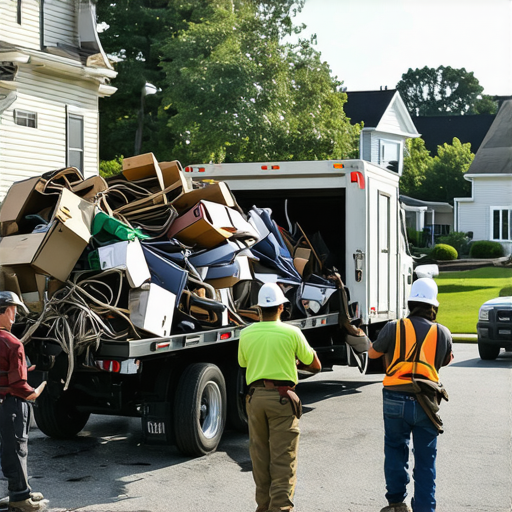
I watched a rookie almost lose his eyebrows because a customer hid a half-full propane tank inside a pile of ‘harmless’ yard waste. We don’t just lift. We inspect. Every. Single. Item. It was a Tuesday morning in Aurora. The sun was hitting the asphalt of the transfer station with enough heat to make the hydraulic fluid smell like a chemical plant. We were tasked with a garage clean out that seemed standard. Three layers of cardboard boxes, a few rusted bicycles, and a stack of old tires. But the smell was wrong. It didn’t smell like old rubber. It smelled like compressed gas and rot. My lead tech, a kid with plenty of muscle but not enough scars, went to toss a heavy bag of grass clippings into the hopper. He didn’t feel the weight shift. He didn’t hear the hiss. If I hadn’t grabbed his shoulder and pulled him back, the compaction blade would have pierced that tank. That is the reality of junk removal in Aurora. It is a game of hidden risks and logistical precision. Your garage is not just a room. It is a repository of discarded energy, chemical compounds, and structural mass. When you look at a pile of old tires, you see clutter. I see sixteen pounds of steel-belted radial construction and a BTU potential that can burn for days if it catches a spark. Proper disposal is the only barrier between a clean home and a local environmental disaster. Junk removal Aurora services exist because the physics of waste are unforgiving.
The rubber graveyard under your workbench
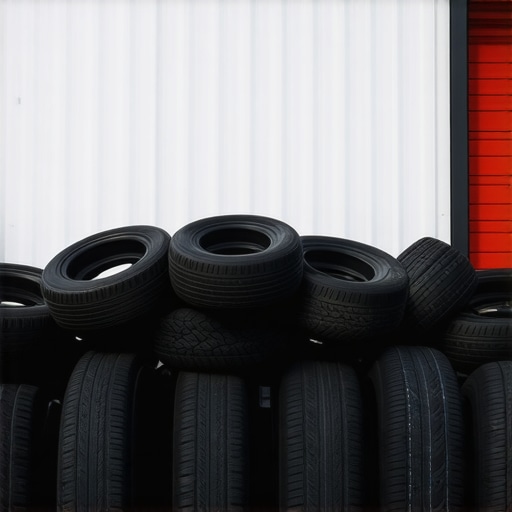
Old tires in Aurora garages represent a significant fire hazard and a breeding ground for pests because rubber retains heat and water indefinitely. Local ordinances require specific handling because tires do not compress in landfills. They ‘float’ to the surface of a trash cell, piercing liners and creating methane pockets that destabilize the entire waste management infrastructure. Most municipal trash collectors in Aurora will simply leave a tire on the curb. It is a dead weight that requires a specialized disposal route. Every tire has a DOT code, a history of friction, and a future as either playground mulch or a toxic plume of black smoke. We calculate the cubic density of every load to ensure the truck does not cube out before it weighs out. A stack of ten tires might only weigh 200 pounds, but it occupies the same volume as a cast iron engine block. This volume to weight ratio is the fundamental math of the hauling industry. When we perform garage clean outs, we are managing volume. We are fighting the ‘air’ that customers pay for if they do not know how to pack a truck. Every gap between a tire and a discarded sofa is wasted money. We eliminate the air.
The physics of the fifteen yard load
The mechanics of a 15-yard dump trailer are a study in leverage and weight distribution. Most residents think a dumpster is a simple box. It is a calculated vessel. If you load all the heavy items, like tires or appliance removal scrap, at the rear of the trailer, you lift the back wheels of the tow vehicle. You lose steering. You become a thirty thousand pound unguided missile on the Aurora Parkway. We load the heavy mass over the axles. We interleave soft goods like furniture removal items with hard goods to prevent the load from shifting during transit. The center of gravity must remain low. A hoarder clean out aurora project requires even more finesse. You are dealing with stratified layers of material. The bottom layer is usually compressed, damp, and heavy. The top layer is loose debris. We treat the truck bed like a Tetris board. We stand sofas on end. We nest tires within each other. We use the voids inside refrigerators to store smaller, non-hazardous items. This is how we maximize the diversion rate and minimize the number of trips to the scale. Every trip to the landfill costs time, fuel, and tipping fees. Efficiency is not a luxury. It is the only way to survive in this business.
“Waste is merely a resource in the wrong place; professional removal is the science of putting it back where it belongs.” – Disposal Industry Maxim
Why Aurora landfills reject your old Bridgestones
Aurora waste regulations forbid the disposal of whole tires in standard municipal landfills because they are considered ‘problem waste’ that disrupts soil stability. The state of Colorado encourages the recycling of tires into crumb rubber or tire-derived fuel (TDF). When we collect tires during a garage clean out, we do not take them to the standard dump. We take them to a specialized processor. These facilities use massive industrial shredders to strip the steel belts from the rubber. The resulting product is used in asphalt for Colorado roads or as a base for artificial turf. The logistics of this are complex. It requires a manifest. It requires a chain of custody. If you hire a ‘curbside cowboy’ with a beat up pickup truck, those tires often end up in a ditch in Adams County. If the authorities find your name on a piece of mail in that pile, you are the one facing the fine. Your junk is your legal liability until a certified hauler signs the ticket. Junk removal Aurora is about more than just lifting heavy things. It is about the transfer of legal responsibility for waste material. We provide that peace of mind.
| Material Type | Decomposition Time | Disposal Method | Risk Factor |
|---|---|---|---|
| Pneumatic Tires | 500 to 2000 Years | Specialized Shredding | High (Fire/Pests) |
| Upholstered Furniture | 50 to 80 Years | Landfill or Donation | Medium (Mold) |
| Steel Appliances | 20 to 50 Years | Scrap Metal Recovery | Low (Physical) |
| Electronic Waste | 1000+ Years | Hazardous Processing | High (Toxins) |
The logistical chaos of a hoarder clean out
A hoarder clean out aurora involves the systematic removal of accumulated materials that have often become a structural or biological threat to the property. These jobs are not standard junk removal. They are forensic logistics. We often find that the floor joists in Aurora homes are under a constant state of stress because of the weight of paper and textile accumulation. A square foot of stacked newspapers can weigh sixty pounds. Multiply that by a thousand square feet and you have a house that is literally collapsing under its own contents. We start at the exits. We create ‘hot zones’ for sorting. We categorize items by their disposal stream: recyclables, hazardous waste, scrap metal, and general debris. This prevents the truck from becoming a disorganized mess. We use high-efficiency air scrubbers if the garage has been closed for years. The dust from old tires and decomposing cardboard contains particulates that can cause permanent lung damage. We wear respirators. We wear puncture resistant gloves. We treat every pile as a potential hazard. The goal is to return the space to a state of utility. We clear the concrete. We sweep the dust. We restore the property value.
Toxic shadows in the appliance graveyard
Appliance removal in Aurora requires strict adherence to the Clean Air Act because refrigerators and air conditioners contain refrigerants that destroy the ozone layer. You cannot simply throw a fridge in a dumpster. The compressor must be drained by a certified technician. The capacitors must be checked for PCBs. We see people try to do this themselves. They cut the lines with bolt cutters. They release a cloud of CFCs into the Aurora sky. It is a federal crime. When we handle an appliance, we are managing a chemical hazard. We secure the doors so children cannot get trapped inside. We use specialized appliance dollies that distribute the weight across six wheels instead of two. This prevents the cracking of driveway concrete or the tearing of garage floor epoxy. A standard residential refrigerator weighs between 200 and 400 pounds. A commercial unit can exceed 800. The physics of moving that mass out of a tight garage space requires a crew that understands mechanical advantage. We use ramps. We use straps. We use our heads before we use our backs.
“Tires are not just trash; they are high-energy fuel sources that, when left in a landfill, create unstable air pockets and toxic runoff.” – Waste Management Protocol
The legal weight of your trash
The state of Colorado has strict laws regarding the transportation of solid waste. If a load is not properly tarped, it is a five hundred dollar fine. If the truck is overweight, it is a fine per pound. We operate within these margins every day. We know the location of every weigh station and transfer point in the Aurora area. We know which landfills accept construction debris and which ones only take municipal waste. This knowledge is what you pay for. Dumpster rentals Aurora residents often choose seem like a good deal until the permit fees and overage charges start piling up. If you fill a 20-yard dumpster with concrete and tires, the bill will be three times the initial quote. We avoid these surprises by estimating weight before we ever pull the lever on the hoist. We understand the density of the materials we are hauling. We know that a cubic yard of loose trash weighs 300 pounds, but a cubic yard of wet soil weighs 2,000. We manage the math so the customer doesn’t have to.
A roadmap to a clear concrete floor
- Identify all items containing hazardous liquids or gases before the crew arrives.
- Stack tires in a single, accessible column to minimize handling time.
- Separate scrap metal from general household debris to lower your tipping costs.
- Ensure a clear path for the truck to back within ten feet of the garage door.
- Keep pets and children inside while the hydraulic lift is in operation.
The final stage of any garage clean out is the sweep. We don’t just leave once the big items are gone. We clear the small debris. We look for the nails that fell out of the old workbench. We look for the glass shards from the broken window. A professional junk removal Aurora service leaves the site better than they found it. We are the architects of empty space. We take the chaos of forty years of accumulation and condense it into a single, organized load destined for the appropriate facility. The tires will become a road. The appliances will become new steel. The furniture will be shredded or donated. The cycle of material recovery continues because we do the heavy work. Your garage is not a lost cause. It is a logistical problem that we have the equipment and the grit to solve. The floor is there. We just have to find it under the rubber and the rust. We are ready when you are.