The smell of diesel and the weight of liability
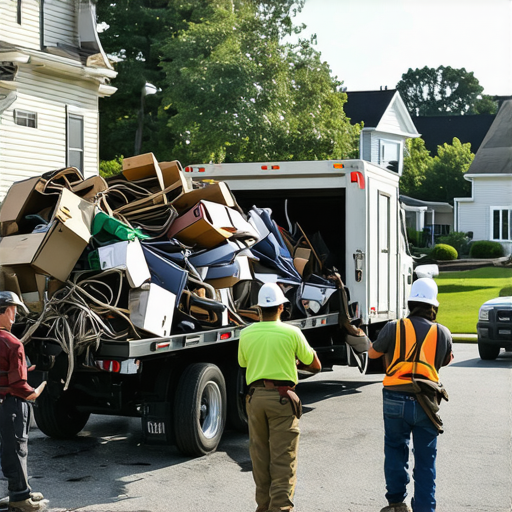
I smell the pungent sting of diesel exhaust and hydraulic fluid every morning at 5:00 AM. It is the scent of a logistical machine ready to process the failures of suburban storage. To me, a cluttered garage in Aurora is not just a messy room. It is a cubic volume puzzle with high stakes and specific gravity. I have spent twenty-five years watching homeowners struggle with the physics of their own accumulation. The most dangerous mistake people make is underestimating the legal and physical weight of their waste. A business owner once tried to save five hundred dollars by hiring a guy with a pickup truck from a social media ad. Two weeks later, the police called him because his company’s confidential files and old desks were found in a ditch near Cherry Creek. Your junk is your liability until it hits the scale and you receive a certified weight ticket. This is why professional junk removal Aurora relies on rigorous systems rather than just strong backs. I have seen the consequences of shortcuts. I have seen the fines. I have seen the fires caused by lithium batteries crushed in the back of a standard garbage truck. We do not just lift objects. We manage risks and maximize diversion rates. Every load is a tactical operation. Every cubic yard of space in my truck is a fixed asset that must be optimized with the precision of a high-speed data transfer. If you leave air gaps in a fifteen-yard dumpster, you are burning money. If you mix hazardous materials with general debris, you are committing a regulatory offense. This is the reality of the disposal industry in Colorado. The following guide breaks down the science of the clean out through the eyes of someone who lives and breathes tipping fees and axle weights.
The mathematical reality of Aurora garage space
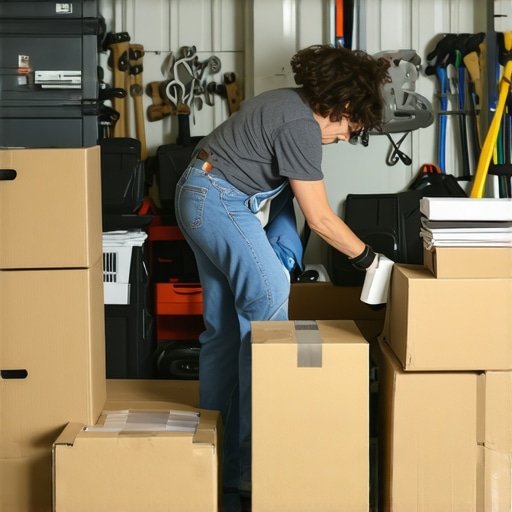
Aurora garage clean outs require a precise calculation of cubic volume versus weight density to avoid overloading local transport vehicles. Most suburban garages in the 80010 to 80019 zip codes operate at a sixty percent dead space inefficiency where seasonal debris creates a logistical bottleneck that prevents vehicle storage. When we analyze a garage, we look at the vertical stacking potential. Most people think in two dimensions. They see a floor covered in boxes. I see three thousand cubic feet of wasted potential. The math of a clean out starts with the displacement of the largest objects first. A standard three-car garage in South Aurora often holds upwards of two tons of non-essential material. This includes degraded particle board furniture, old lawn equipment with residual fuel, and stacks of corrugated cardboard that have absorbed ambient humidity. This absorption increases the weight of the cardboard by up to fifteen percent, which impacts your tipping fees at the Denver Regional Landfill. We use the tetris method to ensure that every square inch of the truck is filled. This means placing flat items like old doors or sheets of plywood against the walls of the truck first. Then we stack heavy bins at the bottom and lighter seasonal items on top. This prevents the center of gravity from shifting during transport on I-225. Wasted air is the enemy of a profitable and efficient haul.
“Waste is merely a resource in the wrong place; professional removal is the science of putting it back where it belongs.” – Disposal Industry Maxim
The heavy cost of keeping everything
Keeping clutter in an Aurora garage represents a stagnant asset with negative depreciation and high maintenance overhead. The opportunity cost of a failed hoarder clean out aurora often manifests as property tax leakage and structural decay from moisture trapped behind stacked cardboard boxes that attract local pests. When items sit for more than three seasons without use, they transition from functional tools to environmental hazards. Rodents in the Aurora area frequently nest in stacks of old newspapers and insulation. Their waste can carry hantavirus, making the eventual cleanup a hazmat situation rather than a simple junk run. Furthermore, the structural integrity of your garage floor is at risk. Concrete slabs are durable but constant pressure from heavy, stationary loads like old engine blocks or piles of ceramic tile can cause localized cracking. If you are storing a 1970s refrigerator in the corner, you are not just losing space. You are harboring an appliance that likely contains chlorofluorocarbons or CFCs. These are regulated substances that require specialized appliance removal protocols to prevent atmospheric release. The cost of professional disposal is always lower than the cost of a foundation repair or a health department citation.
Why your cheap hauler is a legal time bomb
Hiring unlicensed junk removal services in Colorado exposes homeowners to significant liability under state environmental protection statutes. If an unauthorized hauler dumps your old furniture removal load on a county road, the trail of evidence usually leads back to your front door through discarded mail or serial numbers. The Resource Conservation and Recovery Act or RCRA establishes a cradle-to-grave responsibility for waste generators. Even if you paid someone to take it away, you are the generator. Professional firms in Aurora carry high-limit general liability insurance and workers’ compensation. This is vital because a 300-pound oak armoire can easily crush a foot or go through a drywall panel. If a curbside cowboy gets hurt on your property, his lack of insurance becomes your problem. We use specialized equipment like appliance dollies with stair-climber tracks and heavy-duty ramps to mitigate these risks. We also track every load to the Tower Road landfill or local transfer stations to ensure a paper trail of legal disposal. Do not gamble your homeowners insurance on a guy with a rusted tailgate and a low-ball quote.
The physics of the fifteen yard load
Managing a dumpster rentals Aurora project involves understanding the relationship between volume limits and weight capacity to prevent costly overage fees. A fifteen-yard container can hold approximately four to five pickup truck loads, but the weight limit is often capped at two or three tons. If you fill a dumpster with wet yard waste and old concrete, you will exceed the weight limit long before you reach the fill line. The hydraulic lift systems on our trucks have a maximum