The Hidden Logistics of a Successful Aurora Garage Purge
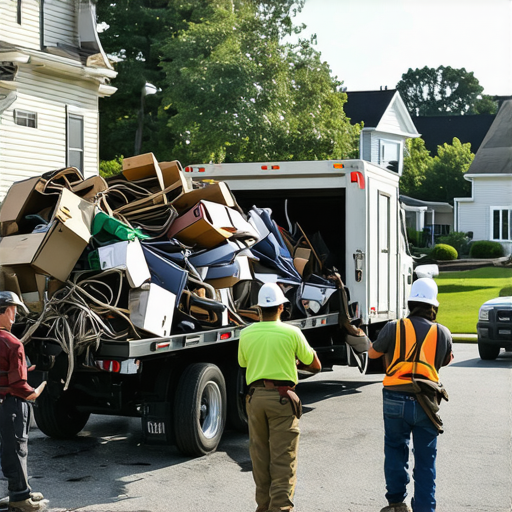
A business owner tried to save 500 dollars by hiring a guy with a pickup truck from a social media ad. Two weeks later, the police called him because his company’s confidential files were found in a ditch. Your junk is your liability until it hits the scale. This is the reality of the waste industry in Aurora. Every piece of debris has a chain of custody. If you ignore the legal pathway of disposal, the municipal fines will dwarf the initial savings of a cheap haul. I have spent decades calculating the exact cubic density of residential loads. I know that a standard two car garage in Aurora often hides three tons of forgotten material. This material is not just clutter. It is a complex mixture of wood fibers, fermented chemicals, and heavy metals that requires a tactical approach to extract. We do not just toss items into a bin. We calculate the load bearing capacity of the floor and the hydraulic limits of the lift. If you want a clean garage, you must think like a logistics manager. This means understanding the difference between a high volume low density load and a low volume high density nightmare like old roofing shingles or concrete slabs.
The shadow of the curb side cowboy
Professional junk removal in Aurora requires strict adherence to local disposal laws and environmental safety standards to avoid legal liability. Hiring unlicensed haulers often results in illegal dumping which remains the legal responsibility of the original property owner under current Illinois and Colorado waste statutes regarding municipal solid waste management.
The smell of diesel and hydraulic fluid is the scent of a job done correctly. When a truck pulls into an Aurora driveway, the first thing I look at is the suspension. A rookie overloads the front axle. A professional balances the load over the rear wheels to ensure the hydraulic lift operates at peak efficiency. I once saw a basement floor snap because a homeowner tried to stack two hundred wet phone books in one corner. The sheer weight of paper when it absorbs humidity is staggering. Paper has a density of roughly 1200 pounds per cubic yard when compressed and damp. If your Aurora garage has been a catch all for years, you are likely sitting on a structural hazard. We approach every garage clean out as a logistical autopsy. We strip the layers back to reveal the structural integrity of the shelving and the floor beneath. This is where the illegal dumping trap becomes a reality for many. They see the pile and want it gone for the lowest price. They do not ask where the lead acid batteries go. They do not ask if the technician is covered by workers compensation when a rusted filing cabinet falls. You are not just paying for a truck. You are paying for the peace of mind that your name will not be on a police report at an illegal dump site next week.
“Waste is merely a resource in the wrong place; professional removal is the science of putting it back where it belongs.” – Disposal Industry Maxim
The volumetric reality of the fifteen yard bin
Standard junk removal pricing in Aurora relies on the volume of material measured in cubic yards rather than simple item counts for accuracy. A fifteen yard dumpster provides enough space for roughly four to five pickup truck loads of debris depending on how tightly the technician can pack the load.
The tetris of the load is a science. Every cubic inch of air in a truck is lost profit and wasted fuel. We use the cubing out method. This involves breaking down furniture into its flat components. A sofa is 80 percent air. If you throw it in whole, you are paying to transport the atmosphere of Aurora. We use reciprocating saws to reduce large sectionals into manageable planks. This increases the density of the load and reduces the number of trips to the transfer station. In Aurora, tipping fees are calculated by weight, but customer pricing is often by volume. This gap is where the logistics manager earns their keep. We must anticipate the weight of the debris. A pile of drywall might look small, but it is heavy. Gypsum has a specific gravity that makes it deceptive. If we miscalculate the weight, we risk blowing a hydraulic hose or exceeding the legal road limit of the vehicle. This is why we inspect the contents of every box. We are looking for the hidden anchors. An old safe, a collection of bowling balls, or a hidden engine block can throw off the entire logistical plan. We manage the physics of the haul so the homeowner does not have to.
| Material Type | Average Weight per Cubic Yard | Decomposition Time in Landfill |
|---|---|---|
| Loose Household Debris | 250 lbs | 20 to 50 Years |
| Construction Drywall | 500 lbs | Non-degradable (Sulfide Risk) |
| Compacted Yard Waste | 400 lbs | 1 to 5 Years |
| Mixed Concrete/Brick | 2000 lbs | Indefinite |
While most people think recycling is always better, the carbon footprint of hauling low grade plastics 500 miles often exceeds the impact of local, high efficiency waste to energy incineration. This is a hard truth of modern waste management. In Aurora, we prioritize the diversion of metals and clean wood because the infrastructure exists to process them locally. Low grade plastics often end up as fluff in the landfill because the market for them has collapsed. We focus on high impact recovery. This means stripping the copper out of old appliances and ensuring the steel from broken garage door springs goes back into the forge. Every pound diverted is a win for the local Aurora ecosystem.
The hidden toxicity of residential storage
Safe garage clean outs in Aurora must account for hazardous materials like old paint, pool chemicals, and automotive fluids which cannot go into landfills. These items require specialized handling and transport to hazardous waste collection centers to prevent soil contamination and ground water pollution in the local watershed.
The corner of an Aurora garage is often a chemistry lab gone wrong. Old fertilizers, half empty jugs of anti freeze, and jars of lead based paint sit in the dark. These containers degrade. The plastic becomes brittle. The metal cans rust from the bottom up. When we move an old shelf, we often find a toxic sludge that has leached into the concrete. This is not just a cleaning issue. It is a Resource Conservation and Recovery Act issue. We follow a strict manifest for hazmat. We do not just toss these into the bin. We identify the chemical family of each fluid. Mixing bleach based cleaners with ammonia based products in a hot truck is a recipe for a respiratory disaster. We have seen rookies get sick because they ignored a simple puddle under a lawnmower. We use industrial grade sorbents to neutralize spills before they hit the truck bed. This level of detail is what separates a veteran strategist from a guy with a trailer. We protect the truck, we protect the crew, and we protect the Aurora water table.
- Lithium ion batteries (High fire risk)
- Pressurized propane tanks
- Liquid mercury thermometers
- Asbestos containing pipe insulation
- Untreated medical sharps
- Wet chemical fire extinguishers
Industrial solutions for the home hangar
Effective garage organization in Aurora utilizes heavy duty steel shelving and overhead rack systems to maximize vertical space and floor clarity. Utilizing professional grade tools like 14 gauge steel racks ensures the system can handle the seasonal weight of tires, tools, and outdoor equipment common in Illinois.
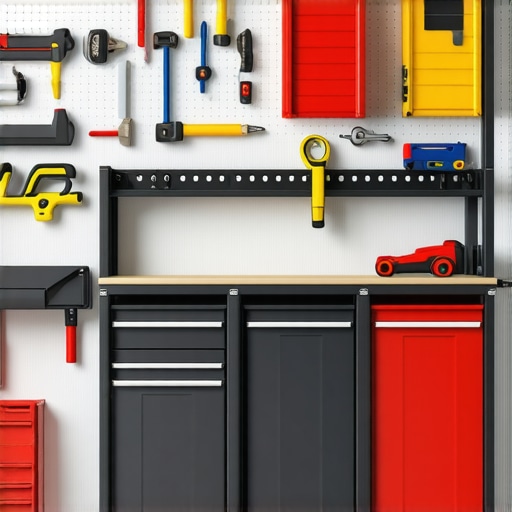
Stop buying plastic shelving from big box stores. It is a waste of petroleum. The weight of a standard Aurora winter tire set will bow a plastic shelf in three months. I advocate for industrial grade powder coated steel. You want a rack with a minimum capacity of 1000 pounds per shelf. This allows you to utilize the vertical space up to the ceiling. The floor of your garage should be for vehicles and nothing else. We use overhead racks bolted directly into the ceiling joists with lag bolts. This is the only way to store items like holiday decorations or seasonal camping gear without cluttering the logistical flow of the room. We also recommend clear bins with gaskets. Aurora humidity can fluctuate. A gasket seal prevents the growth of mold on your keepsakes. Labeling is the final step in the data management of your physical space. Every bin should have a manifest. If you do not know what is in the box, it is just junk waiting for a future disposal date. Treat your garage like a high efficiency warehouse. Inventory control is the only way to prevent the creep of clutter from returning. If a new item comes in, an old item must go out. This is the law of the load.
“Professional waste management is the final defense against the entropy of the modern household.” – SWANA Technical Manual
The structural demands of furniture extraction
Removing heavy furniture from Aurora homes requires specialized lifting equipment and knowledge of structural load limits to prevent property damage. Items like old pianos, heavy oak wardrobes, and sleeper sofas often weigh over 300 pounds and require multi person teams and floor protection.
Furniture is the enemy of the lower back. An old sleeper sofa is a mechanical trap. The frame is made of heavy gauge steel and the wood is often dense oak or maple. When we move these items through a narrow Aurora doorway, we have to calculate the pivot point. We use moving blankets not just for the furniture but to protect the door frames. A single gouge in a mahogany frame can cost more than the removal itself. We use shoulder dollies to distribute the weight across the large muscle groups of the legs and core. This is the science of ergonomics in the field. If we are dealing with a hoarder clean out in Aurora, the furniture is often buried under layers of secondary debris. We must stabilize the pile before we can even begin the extraction. This is a high stakes game of Jenga. If you pull the wrong piece, the entire stack can shift. We use temporary shoring if the weight is pushing against a structural wall. We do not just lift; we engineer the exit path. Every step is planned before the first piece of furniture is touched. This prevents injuries and ensures the truck is packed with mathematical precision.
The removal of appliances follows a different set of rules. A refrigerator contains refrigerant gases like R-134a or the older R-22. These are potent greenhouse gases. In Aurora, it is a federal offense to vent these into the atmosphere. We ensure every unit is taken to a facility where the gases are recovered by certified technicians. The same goes for the capacitors in old microwave ovens. These can hold a lethal charge long after the unit is unplugged. We treat every appliance as a live system until it is neutralized. This is the difference between a waste strategist and a junk collector. We understand the internal mechanics of the debris we handle. We know the difference between a stainless steel drum and a porcelain coated one. We know the scrap value and the environmental cost. We provide a full service logistical solution that starts at the back of the garage and ends at the certified processing center in Aurora.
The red tape of electronic waste
Electronic waste disposal in Aurora is governed by specific recycling mandates that prohibit computers, televisions, and monitors from entering standard landfills. These items contain lead, cadmium, and mercury which must be recovered through specialized thermal or mechanical processing to meet environmental safety codes.
Your old tube television is a lead bomb. The glass in a CRT monitor can contain up to eight pounds of lead. If that glass breaks in a standard trash truck, the lead dust is aerosolized. It coats the truck and the street. This is why we have specialized e waste protocols in Aurora. We palletize electronics and wrap them in shrink film to prevent breakage. We track the serial numbers for commercial clients who need a certificate of destruction. This is not just about the environment; it is about data security. A hard drive in a garage is a gold mine for identity thieves. We ensure that every drive is physically shredded. The shards are then sorted by material. The gold, silver, and palladium are recovered from the circuit boards. The plastic housings are ground into pellets for secondary manufacturing. This is a closed loop system. It is complex, expensive, and absolutely necessary. When you hire a professional for a garage clean out, you are paying for this high level of material recovery. You are ensuring that your old laptop does not end up in a fire pit in a developing nation. You are participating in a global logistical chain that values material over waste.