The High Stakes of Professional Waste Recovery in Aurora
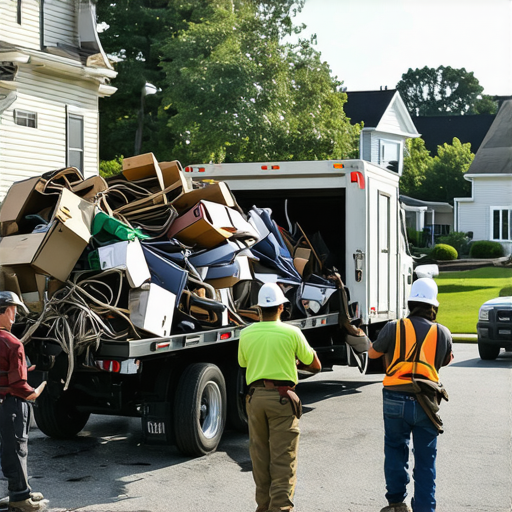
I smell the metallic tang of old galvanized steel and the faint, sweet rot of damp cardboard every time I walk into a garage that has been ignored for a decade. This is not just a pile of unwanted items. It is a logistical puzzle where the pieces are heavy, hazardous, and often hidden. A business owner once tried to save 500 dollars by hiring a guy with a pickup truck from a social media ad. Two weeks later, the police called him because his company’s confidential files were found in a ditch. Your junk is your liability until it hits the scale. This reality defines why amateur hauling is a high-stakes gamble that rarely pays off for the property owner. In Aurora, the pressure on our local transfer stations means that every load must be categorized with surgical precision before we even turn the ignition key on the truck. We do not just toss items into a bin. We calculate the cubic-yard density of every layer to ensure the truck does not cub out before it weighs out. This is a science of physics and environmental law. The structural integrity of your garage floor and the legal safety of your reputation depend on how this mass is moved.
The Concrete Graveyard of Aurora Storage Units
Garage clean outs in Aurora require a systematic approach to volume management and material identification to ensure that every square foot of reclaimed space is handled legally. By analyzing the specific weight of items like old refrigerators or stacks of water-damaged drywall, professionals can maximize truck capacity and reduce the carbon footprint of the hauling process. This is particularly vital in neighborhoods like Oakhurst or Stonebridge where driveway space is limited. The physics of a garage clean out involves more than brute force. We look at the load-bearing capacity of our equipment and the specific gravity of the debris. If you have five hundred pounds of old magazines, they occupy very little space but put immense strain on the truck’s suspension. Conversely, an old sectional sofa is mostly air but takes up precious cubic yardage.
“Waste is merely a resource in the wrong place; professional removal is the science of putting it back where it belongs.” – Disposal Industry Maxim
We use the Tetris method of loading to ensure there is zero wasted air space. This reduces the number of trips to the transfer station on Enterprise Street. Every trip saved is a reduction in diesel consumption and a faster return of your property to its original state. The goal is to strip the space back to its studs and concrete without leaving a single trace of the previous decade’s neglect.
The True Cost of the Amateur Hauler
Entrusting junk removal to unlicensed individuals often leads to environmental violations and potential legal fines for the homeowner if the debris is dumped illegally. Professional services in Aurora understand the Resource Conservation and Recovery Act and follow strict protocols for the disposal of hazardous materials that cannot go into general landfills. A cheap hauler might take your money and your trash, but they often lack the commercial insurance to cover a worker getting injured on your property. If a rogue hauler drops an old cast-iron radiator on your driveway, you are the one left with the cracked concrete. We carry the weight of that risk so you do not have to. We also understand the regional tipping fees at sites like the Denver Arapahoe Disposal Site or local Kane County facilities. These costs are fixed. If someone offers a price that seems too low, they are likely cutting corners by avoiding these fees. They might be dumping your old sofa in a Forest Preserve. If the authorities find anything in that pile that links back to your address, you are the one facing the fine. The risk to your wallet and your community is far higher than the few dollars saved on the front end.
Navigating the Hazardous Chemistry of a Suburban Pile
Professional junk removal teams must identify and isolate hazardous household waste like lead-acid batteries, old paints, and propane tanks to prevent chemical fires. These items require specialized transport permits and must be taken to dedicated collection points rather than standard municipal landfills to ensure soil and water protection. I once saw a rookie almost lose his eyebrows because a customer hid a half-full propane tank inside a pile of harmless yard waste. We do not just lift. We inspect. Every. Single. Item. The chemistry of a garage is complex. You have volatile organic compounds in old paint cans. You have corrosive acids in lawn mower batteries. You have flammable liquids in half-forgotten gas cans. When these materials are crushed together in the back of a packer truck, they can react. A fire on a garbage truck is a catastrophic event that can cost hundreds of thousands of dollars in equipment damage and environmental cleanup.
“The improper disposal of household hazardous waste can contaminate local water supplies and pose significant risks to waste management workers during the collection process.” – SWANA Safety Report
This is why we maintain a strict list of prohibited items that require separate handling. We provide a bridge between your cluttered garage and the specialized facilities that can neutralize these threats safely.
| Material Type | Typical Decomposition Time | Recyclability Potential |
|---|---|---|
| Untreated Wood Waste | 10-15 Years | High (Mulch/Biomass) |
| Corrugated Cardboard | 2-3 Months | Excellent (New Paper Products) |
| Ferrous Metals (Steel) | 50-100 Years | Infinite (Melting/Reshaping) |
| Heavy Plastics (HDPE) | 500+ Years | Moderate (Industrial Flooring) |
| Plate Glass | 1 Million Years | Low (Costly to Process) |
Strategic Staging for an Efficient Haul
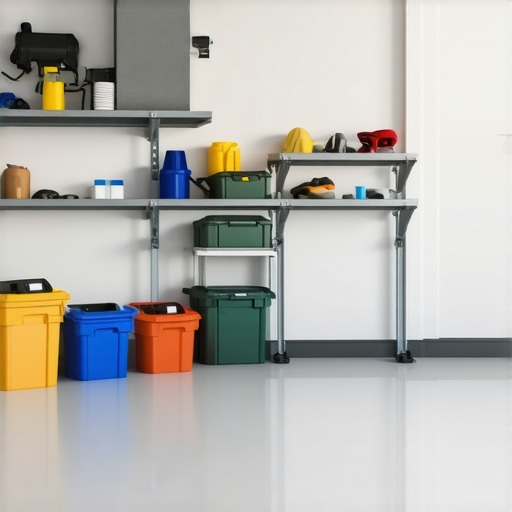
Effective garage reclamation starts with the categorization of items based on their final destination whether it be a donation center, a recycling facility, or a landfill. This staging process ensures that the heavy-load specialists can pack the truck in a sequence that stabilizes the weight and optimizes the volume. We look for the anchors first. The heavy appliances and the dense furniture go in the bottom. This lowers the center of gravity for the vehicle. Then we fill the gaps with the smaller debris. This is how we achieve a high diversion rate. A high diversion rate means we are keeping as much out of the landfill as possible. In Aurora, we prioritize local charities for furniture that still has structural life. However, much of what we find in a hoarder clean out aurora is beyond salvage. It has been degraded by moisture, rodents, or dust. In these cases, we focus on material recovery. We strip the copper from the wiring and the steel from the frames. The following items are those that we cannot legally touch due to environmental regulations.
- Unsealed lead-acid car batteries
- Containers of liquid gasoline or diesel
- Aerosol cans that are not completely empty
- Pipes or insulation containing asbestos fibers
- Industrial grade solvents or acids
- Explosives including ammunition and fireworks
- Medical waste including sharps and biohazards
If you find these in your garage, they must be handled through the Fox Valley Special Recreation Association or local municipal hazardous waste days. Everything else is a matter of volume and logistics. We handle the heavy lifting while you focus on the vision for your new, clean space.
The Heavy Cost of Keeping Everything
The psychological and financial burden of maintaining a cluttered garage in Aurora often exceeds the one-time cost of a professional clean out service. Beyond the lost square footage, which is worth thousands in the current real estate market, a cluttered space hides structural damage like termite infestations or foundation cracks. When we perform a garage clean out, we are not just moving junk. We are performing an autopsy on the space. We find where the roof leaked. We find where the squirrels moved in. This information is vital for the homeowner to protect their investment. While most people think recycling is always better, the carbon footprint of hauling low-grade plastics 500 miles often exceeds the impact of local, high-efficiency waste-to-energy incineration. This is a contrarian reality that we face in the waste industry. Sometimes, the most ethical thing you can do with a degraded, non-recyclable item is to dispose of it in a modern, lined landfill where the methane can be captured for energy. We help you make those distinctions. The air in your home becomes cleaner. The fire hazard in your garage disappears. The stress of seeing that mountain of stuff every time you pull into the driveway is gone. We treat the removal as a tactical operation. We arrive, we assess, we load, and we sweep. The floor is visible again. The concrete breathes. Your property value stabilizes. This is the logic of a professional waste management strategist. We do not see trash. We see a logistical failure that we are equipped to correct.