The smell of diesel and hydraulic fluid is the scent of a mission about to begin. Every garage clean out is a logistical puzzle where the pieces are heavy, dusty, and potentially hazardous. In the waste management sector, we do not see a pile of boxes. We see cubic yard density and potential tipping fees at the Aurora Transfer Station. To manage Garage Clean Outs in Aurora, one must understand that every object has a mass, a volume, and a legal destination. A business owner once tried to save five hundred dollars by hiring a guy with a pickup truck from a social media ad. Two weeks later, the police called him because his company confidential files were found in a ditch near the Cherry Creek spillway. Your junk is your liability until it hits the scale. This is the cold reality of the waste stream in Colorado. If you ignore the chain of custody, you are not just cleaning a garage. You are participating in a potential environmental crime. Logistics managers know that the goal is not just removal but the precise diversion of materials to the correct facilities. This requires an understanding of the Resource Conservation and Recovery Act and local municipal codes. We approach a Hoarder Clean Out aurora with the same intensity as a hazmat response. We look for the structural hazards of stacked paper and the fire risks of hidden lithium batteries. This article will break down the five most common failures we see in the field.
The illegal dumping trap
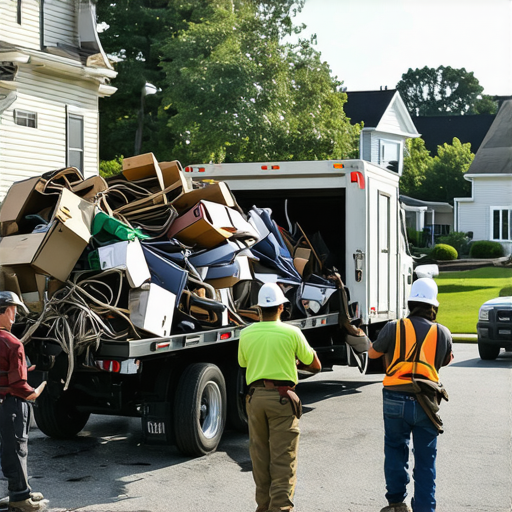
Garage Clean Outs in Aurora often fail because homeowners trust the wrong person with their Junk Removal. They hire unlicensed haulers from social media who bypass Aurora Transfer Stations to avoid Tipping Fees. This leads to illegal dumping and potential legal fines for the original owner. The law is clear. You are responsible for your waste until it is legally processed. When you hire a professional for Junk Removal Aurora, you are paying for the peace of mind that your old tires will not end up in a creek bed. Illegal dumping is a blight on our community and a major cost to taxpayers. Professional haulers provide a waste manifest or a receipt from a licensed facility like the Denver Regional Landfill. This document is your shield against liability. Without it, you are at the mercy of whoever has your old mail and personal records. We have seen cases where identity theft started in a pile of trash dumped in an alley. The logistics of disposal require a clear paper trail. This is why we insist on verifying every drop-off point. [IMAGE_PLACEHOLDER]
“Waste is merely a resource in the wrong place; professional removal is the science of putting it back where it belongs.” – Disposal Industry Maxim
The hidden chemistry of your storage shelves
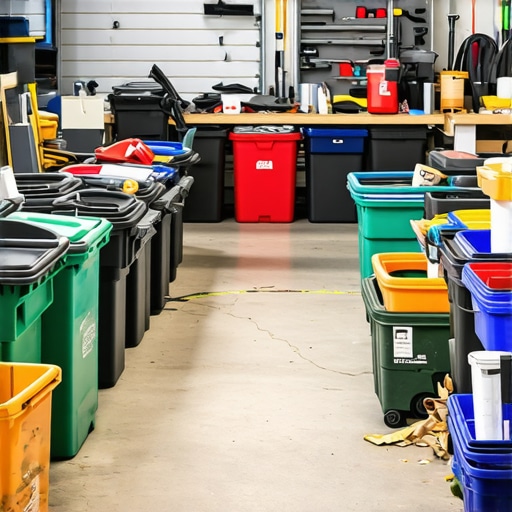
Hazardous Waste disposal in Aurora is the most misunderstood part of any residential clean out. Homeowners often mix Appliance removal items with general household trash, ignoring the chemical realities of old refrigerants or lead-acid batteries. A single leaking battery can contaminate an entire load of recyclable metal. We see it constantly. A bucket of old latex paint is hidden under a pile of wood. When the truck compactor cycles, that bucket bursts. Now, the entire interior of a sixty-thousand-dollar truck is coated in beige semi-gloss, and the landfill may reject the entire three-ton load. This is a logistical disaster. You must separate items based on their chemical composition. Lead, mercury, and cadmium are common in older electronics and appliances. These are not just junk. They are regulated substances. The carbon footprint of hauling these materials is significant, but the environmental cost of improper disposal is higher. While most people think recycling is always better, the carbon footprint of hauling low-grade plastics five hundred miles often exceeds the impact of local, high-efficiency waste-to-energy incineration. This is a contrarian truth that the industry rarely discusses. We focus on high-value recovery, such as copper from old wiring and steel from heavy appliances.
| Mixed Household Junk | 250 lbs | 10 to 50 years | |
| Concrete Debris | 2000 lbs | Indefinite | |
| Loose Yard Waste | 150 lbs | 6 months | |
The physics of air gaps and truck volume
Furniture Removal is a game of spatial geometry where air is the enemy of profit. Most people fail at Garage Clean outs because they do not understand how to cube out a truck. They throw chairs and tables into a pile, creating massive air gaps. A professional loader sees these gaps as wasted money. We break down furniture to its base components whenever possible. A sofa is ninety percent air and foam. By removing the feet and compressing the cushions, we increase the density of the load. This is vital for Dumpster Rentals Aurora where you are paying for the volume of the container. If you fill a twenty-yard dumpster with uncompressed furniture, you are paying to haul Aurora air to the landfill. We look at the BTU potential of recovered wood. Solid oak has a high energy value, while modern particle board is mostly glue and sawdust. Particle board furniture is a logistical nightmare because it lacks structural integrity and has low recovery value. It breaks during transport and creates fine dust that is a respiratory hazard. We prioritize the removal of heavy, dense items first to create a stable base for the load. This prevents shifting during transport, which is a major safety concern on the E-470 or I-225.
Local Aurora ordinances and the permit trap
Dumpster Rentals Aurora require a deep knowledge of local right-of-way laws and permitting processes. You cannot simply drop a thirty-yard roll-off container on a public street without a permit from the City of Aurora. The narrow residential streets in some older Aurora neighborhoods make the placement of large containers impossible. In these cases, a live-load truck is the only viable option. We have seen homeowners get fined hundreds of dollars because their dumpster blocked a fire hydrant or a neighbor driveway. Local disposal logic dictates that you must also be aware of the specific items banned from Colorado landfills, such as whole tires and electronics. The city has specific dates for bulky item pickups, but these are often limited in scope. For a full Hoarder Clean Out aurora, the municipal service is insufficient. You need a dedicated team that understands the weight limits of local bridges and the height restrictions of residential alleyways. We calculate the structural load limits of garage floors before bringing in heavy equipment. A concrete slab that is only four inches thick can crack under the weight of a fully loaded junk truck. We plan every entrance and exit with surgical precision.
- Wet Lead-Acid Batteries
- Propane Tanks (Full or Empty)
- Ammunition and Explosives
- Biohazardous Waste
- Industrial Solvents
- Unsolidified Liquids
The heavy reality of appliance and furniture scrap
Appliance removal is not just about heavy lifting; it is about the recovery of technical nutrients. An old refrigerator contains Freon, which is a potent greenhouse gas. Under federal law, this must be recovered by a certified technician before the metal can be scrapped. We see people cutting lines with bolt cutters, releasing the gas into the atmosphere. This is a failure of ethics and a violation of the Clean Air Act. In Aurora, we track the metallurgical value of every appliance we pull. A washing machine is a source of high-quality steel and a heavy electric motor full of copper. Furniture is different. Most modern furniture is what we call disposable. It is made of medium-density fiberboard and plastic veneers. This material has no resale value and almost no recycling potential. It is destined for the landfill. This is the heavy cost of keeping everything. People hold onto items thinking they have value, but time and humidity in a garage degrade these materials until they are worthless. The logistics manager’s job is to tell the truth about what is salvageable and what is trash. We categorize every item at the point of origin to minimize handling and maximize efficiency.
“Professional waste management is the final defense against the degradation of our urban environment.” – SWANA Regional Guideline
The final tally of a successful clean out is measured in recovered space and mitigated risk. When the last load leaves your property in Aurora, the concrete should be clear and the liability should be zero. We focus on the diversion rate, which is the percentage of material we keep out of the landfill. By sorting metal, wood, and electronics at the site, we reduce the burden on our local infrastructure. This is the science of Junk Removal Aurora. It is not just hauling; it is a vital service that keeps our city functional and clean.