The physics of a garage reclamation project
Garage clean outs in Aurora require a systematic approach to volume density and material classification to ensure environmental compliance. Success depends on segregating hazardous waste from recyclable metals and municipal solid waste before the first load hits the transfer station scales.
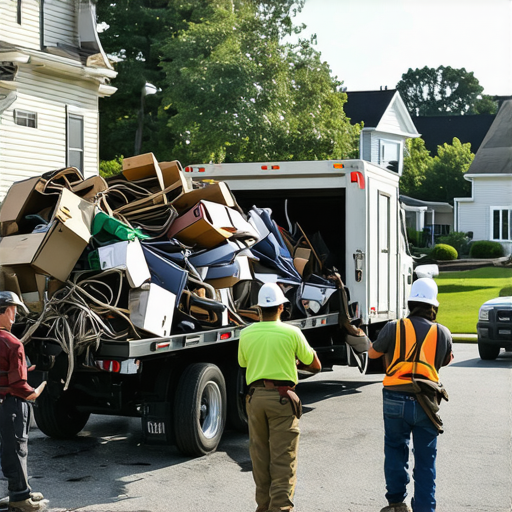
I once cleared a house where the junk wasn’t just stuff. It was a structural hazard. We found the floor joists were bowing under the weight of 40 years of newspapers that had absorbed ten years of basement humidity. The paper had turned into a solid, heavy block of cellulose that required chainsaws to break apart. This is the reality of extreme load management. When you walk into a cluttered garage in Aurora, you aren’t looking at boxes. You are looking at a logistical puzzle involving cubic yardage and potential tipping fees at the Orchard Hills Landfill. The smell of diesel and hydraulic fluid is the only constant in this business. I see residents try to treat their garage as a single category of waste. That is a mistake that leads to rejected loads and heavy fines. You must understand the chemical and physical properties of what you are hauling. If you ignore the weight of wet drywall or the fire risk of a hidden lithium battery, you are a liability to the crew and the local ecosystem. Logistics is about the tetris of the load. It is about ensuring every cubic inch of air space in the truck is eliminated while staying under the gross vehicle weight rating. Junk removal aurora services often see homeowners who think a 15-yard dumpster is a bottomless pit. It is not. It is a finite volume with specific legal constraints. If you want to reclaim your space, you must think like a waste engineer. This means identifying the five streams of disposal before the first item moves. We treat every site as a data set. We look for the backdoor logistics of how to get a heavy appliance out of a tight corner without compromising the structural integrity of the home. This is the science of waste management. It is gritty, it is heavy, and it requires absolute precision.
“Waste is merely a resource in the wrong place; professional removal is the science of putting it back where it belongs.” – Disposal Industry Maxim
Category one the hazardous stream
Hazardous waste includes any material that is flammable, corrosive, reactive, or toxic such as wet-cell batteries and old pesticides. These items must be separated from general junk because they require specialized disposal manifests under the Resource Conservation and Recovery Act guidelines.
You cannot simply throw a car battery into a dumpster rental Aurora. The lead-acid chemistry is a direct threat to the groundwater if it leaks in a landfill. We see this often in Aurora garages where old cans of oil-based paint sit next to pool chemicals. If those two mix during compaction in the truck, you have a chemical fire that no standard extinguisher can handle. The logistics of hazardous waste require a separate trip to a household hazardous waste facility. We look for the small symbols on the bottom of containers. We check for pressurized cylinders. A single half-full propane tank hidden in a pile of yard waste can turn a junk truck into a bomb. This is why we inspect every single item. We do not just lift. We verify. The local regulations in Aurora are strict about liquid waste. If it can pour, it cannot go in the general bin. This includes old gasoline from lawnmowers and antifreeze. The environmental impact of one gallon of spilled motor oil can contaminate a million gallons of fresh water. We take this seriously. Every hazardous item represents a potential legal tie-back to the homeowner if found in a ditch or a non-compliant dump site. Your junk is your liability until it hits the scale at a licensed facility. We manage that risk by being ruthless with our sorting. If we find a jar of mercury or an old transformer with PCBs, we stop the load. We follow the federal guidelines because the cost of a mistake is an environmental disaster. Professional junk removal is about protecting the client from the long-tail liability of their own waste.
Category two heavy metal and appliance recovery
Appliance removal involves the extraction of heavy machinery such as refrigerators and washing machines while managing the recovery of refrigerants. Federal law mandates that CFCs and HCFCs are captured before disposal to prevent ozone depletion and atmospheric damage.
The weight of a 1970s chest freezer is not just a physical burden. It is a dense collection of ferrous and non-ferrous metals that have significant recovery value. Appliance removal in Aurora is a game of weight-based logistics. We use specialized dollies to move these units because the load limit of residential stairs is often lower than people realize. A full-sized refrigerator can weigh 300 pounds. If you drop that on a wooden porch, you are looking at a structural repair bill. We also focus on the electric motors. The copper winding inside those motors is a high-value recyclable material. We do not view an old dryer as trash. We view it as a collection of steel, copper, and aluminum. The efficiency of a garage clean out increases when you group all metal items together. This allows for a single run to a scrap metal processor, which usually has a different tipping fee structure than a landfill. In many cases, clean metal loads can offset the cost of the overall project. We look for the BTU potential in wood waste but metal is the gold standard for diversion rates. Hoarder clean out Aurora projects often involve massive amounts of scrap metal hidden under piles of organic rot. We strip it down. We make sure the load is dense. A truck full of air is a truck losing money. We pack the heavy metal at the bottom of the truck to maintain a low center of gravity. This is safer for the driver and better for the vehicle suspension.
Category three bulk furniture and wood waste
Furniture removal targets large volume items like couches and dressers that consume excessive cubic yardage without providing high density. Effective sorting requires breaking down wooden frames to increase the diversion rate and reduce the total number of truck loads.
I hate modern disposable furniture. It is made of particle board and glue that turns into dust the moment it gets damp. In an Aurora garage, old furniture often absorbs moisture from the concrete floor, doubling its weight and making it a breeding ground for mold. When we perform furniture removal, we look for solid wood. Solid oak or maple has a high BTU potential and can often be diverted to wood-to-energy plants. However, most modern junk is a mix of fabric, foam, and chemicals. We use the cubing out method to pack these items. This means we stack them in a way that fills every corner of the truck bed. If we leave gaps, we are wasting fuel and time. The physics of a 15-yard load are unforgiving. If you don’t break down that old wardrobe, you are paying to haul air. We use reciprocating saws to dismantle bulky items on-site. It is louder, but it is more efficient. This reduces the footprint of the waste. We also have to consider the fabric. Old sofas can harbor pests. We inspect for signs of infestation before we bring an item onto our trucks. If we find bed bugs or heavy mold, the item is wrapped in plastic to prevent cross-contamination. We are not just movers. We are sanitation specialists. The goal is to clear the space without leaving a trail of debris behind.
“The Resource Conservation and Recovery Act (RCRA) gives EPA the authority to control hazardous waste from the cradle-to-grave. This includes the generation, transportation, treatment, storage, and disposal of hazardous waste.” – Environmental Protection Agency
Category four generic municipal solid waste
Municipal solid waste consists of everyday items such as paper, cardboard, and plastics that do not fall into hazardous or recyclable metal categories. This is the bulk of most garage clean outs and is handled through standard landfill or incineration channels.
| Disposal Metric | Cubic Yard Calculation | Weight-Based Calculation |
|---|---|---|
| Typical Load | 150-300 lbs | 2000 lbs (1 ton) |
| Cost Efficiency | Better for light bulk | Better for dense debris |
| Best Use Case | Furniture and boxes | Concrete and dirt |
This category is the catch-all for the junk that has no secondary market. It is the broken plastic toys, the old garden hoses, and the stacks of ruined cardboard. In Aurora, junk removal services have to balance the weight of this waste against the tipping fees at the transfer station. While most people think recycling is always better, the carbon footprint of hauling low-grade plastics 500 miles often exceeds the impact of local, high-efficiency waste-to-energy incineration. We make a call on-site about where this waste goes. If the cardboard is oil-soaked, it is no longer recyclable. It is trash. We see too many homeowners try to wish-cycle. They put everything in a blue bin hoping it gets recycled. All that does is contaminate the legitimate recycling stream and drive up costs for everyone. We are honest about what is garbage. We pack it tight. We use heavy-duty contractor bags to contain small debris. This prevents littering during transport. The streets of Aurora stay clean because we secure our loads with industrial-grade netting. We also have to manage the density of this waste. A bag of clothes is light. A bag of old magazines is a brick. We mix the heavy and light bags to ensure the truck is balanced. This prevents wear on the tires and makes for a safer haul. We are obsessed with the math of the load. Every pound counts when you are crossing the scales at the landfill.
Category five the charity and resale pipeline
The resale stream identifies items with remaining utility that can be diverted to local Aurora charities or second-hand markets. Diverting these items reduces landfill pressure and provides a social benefit to the community while lowering the total disposal cost.
Not everything in a garage is junk. We often find high-quality tools, vintage records, and solid furniture that still has life. This is the ethical side of waste management. We look for a second life for these items. It irritates me when I see perfectly good gear going into a crusher. We work with local organizations in Aurora to drop off usable goods. This requires an extra step in the sorting process. We have to be sure the items are clean and functional. Giving a charity a broken appliance is just passing your disposal problem to them. That is unethical. We test the electronics. We check the drawers on the dressers. If it is good, it goes in the donation pile. This reduces the total volume of the junk removal project. It is a win for the client and a win for the community. However, we are realistic. If an item has been sitting in a damp garage for a decade, it is likely trash. We don’t let sentimentality get in the way of a clean floor. We make the hard calls. We clear the space. We ensure that the only things left are the things that belong. This is how you reclaim a garage. You categorize, you sort, and you execute. The logistics of a clean out are a battle against entropy. We win that battle by being more organized than the mess.
Items Your Hauler Cannot Legally Touch
- Sealed pressure vessels like oxygen or acetylene tanks
- Liquid paint and solvents that have not been solidified
- Pesticides and herbicides in unsealed containers
- Biohazardous materials and medical sharps
- Radioactive smoke detectors and certain e-waste components