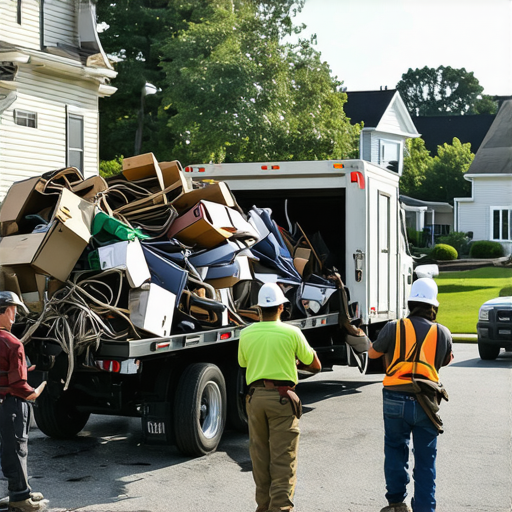
The hydraulic hum of a 15-yard truck is the only music I need. My lungs are accustomed to the scent of diesel and the metallic tang of scrap iron. Most homeowners look at a garage and see a mess. I see a logistical failure. I see lost cubic volume. In Aurora, where the weather swings from frozen tundra to humid swamp, a garage is not just a storage room. It is a battleground against material degradation. If you do not manage the density of your sports gear, the gear will eventually manage you. I have spent twenty-five years watching people treat their waste like a secondary thought. It is not. Waste is a footprint. It is a legal liability. It is a structural burden. Professional junk removal is the only way to reclaim the math of your home. A business owner tried to save 500 dollars by hiring a guy with a pickup truck from a social media ad. Two weeks later, the police called him because his company confidential files were found in a ditch near the Fox River. Your junk is your liability until it hits the scale at the transfer station. Do not trust your legacy to a curbside cowboy with a rusted tailgate. In Aurora, we play by the rules of the Kane County environmental ordinances or we pay the price in fines and environmental damage. The physics of storage require a cold, hard look at the materials we hoard. Vertical space is the only commodity that matters when the floor is covered in rusted weight benches and deflated basketballs. [image_placeholder]
Vertical wall systems and the physics of stud tension
Garage clean outs in Aurora require vertical wall systems to maximize floor space and prevent moisture-driven material rot. By utilizing slatwall or pegboard systems anchored into 16-inch on-center studs, you shift the load from the concrete slab to the structural frame of the building. The average mountain bike weighs thirty pounds. Hang five of them and you have 150 pounds of static load pulling on your drywall. If you do not hit the center of the stud, the leverage will rip the hardware out. I have seen it happen. The crash wakes the neighbors. Then the homeowner calls for junk removal Aurora services to haul away the broken bike frames and the chunk of wall that came with them. Use heavy-duty steel hooks. Avoid the plastic garbage sold at big-box retailers. Plastic fatigue is real. In the heat of an Illinois summer, cheap polymer hooks soften. They fail. Your expensive carbon fiber frame hits the concrete. That is not just a mess. That is a financial loss.
Overhead racks and the cubic volume of off-season gear
Overhead storage racks utilize the dead air space between the garage door tracks and the ceiling to store low-frequency items. These systems must be rated for at least 600 pounds and bolted directly into the ceiling joists with 3-inch lag bolts to ensure safety and structural integrity. I hate wasted air. In a truck, wasted air is lost profit. In a garage, wasted air is a missed opportunity. Put your hockey pads and your ski boots up high. These items have low density but high volume. They are the perfect candidates for the ceiling. But listen to me. Do not put your old lead-acid weights up there. I have seen ceiling joists bow under the weight of a ‘good deal’ on a weight set that someone stopped using in 1994. If you see the wood grain splitting, you have exceeded the load limit. Call for furniture removal or a hoarder clean out aurora expert to take that iron to the scrap yard.
“Waste is merely a resource in the wrong place; professional removal is the science of putting it back where it belongs.” – Disposal Industry Maxim
Zone-based locker systems for active equipment
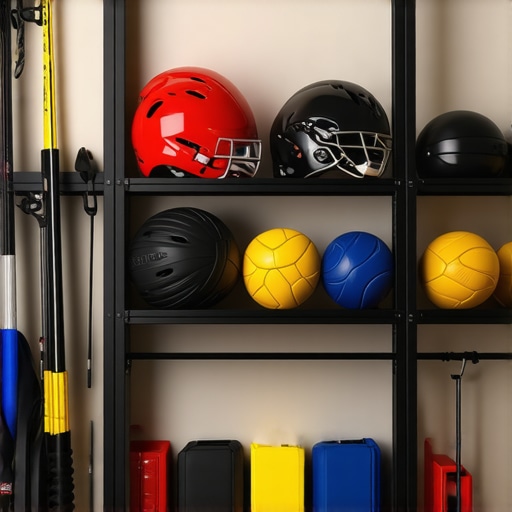
Zone-based organization involves dividing the garage into high-traffic quadrants based on the frequency of use and the chemical composition of the gear. Active sports gear should be kept in open-air lockers near the entry door to allow for moisture evaporation and to prevent the buildup of volatile organic compounds. Football pads smell. That smell is bacteria eating sweat. If you trap that in a plastic bin, you are creating a biohazard. Use open lockers. Construct them from exterior-grade plywood if you are building your own. The humidity in Aurora will delaminate interior-grade boards in two seasons. I have hauled away tons of moldy MDF because people thought they were saving money. They weren’t. They were just buying future trash.
The logistical reality of heavy appliance removal
Appliance removal in a garage setting requires specialized dollies and an understanding of the refrigerant recovery act to prevent environmental contamination. Old garage refrigerators or freezers used for team snacks often contain CFCs or HCFCs that must be evacuated by a certified technician before disposal at an Aurora transfer station. Do not just drag that old fridge to the curb. The compressor is heavy. The oil inside is caustic. If you tip it the wrong way, you ruin the unit and risk a spill. We use appliance straps and a two-man pivot technique. We cub out the truck to ensure the heavy steel doesn’t shift during transport.
| Material Type | Decomposition Time (Years) | Disposal Method |
|---|---|---|
| Aluminum Bats | 200-500 | Scrap Metal Recycling |
| Synthetic Turf | 50-100 | Landfill (Special Handling) |
| Leather Gloves | 25-50 | Material Recovery |
| Rubber Basketballs | 50-80 | Tire-Derived Fuel (TDF) |
| Carbon Fiber | Indefinite | Specialized Polymer Reclamation |
Items your hauler cannot legally touch
Safety is the primary driver of waste management law and certain materials are prohibited from standard junk removal loads due to fire risks and toxicity.
- Propane tanks for portable heaters or camping stoves
- Lead-acid batteries from golf carts or scooters
- Wet paint or volatile solvents used for equipment repair
- Aerosol cans under pressure
- Biohazardous waste or medical needles
- Tires (requires specific EPA manifest in Illinois)
The heavy cost of keeping everything
Hoarder clean out aurora projects often reveal that the cost of storage far exceeds the value of the items being stored. When you keep a broken treadmill ‘just in case,’ you are paying for the square footage it occupies. In Aurora, real estate is not cheap. That treadmill is costing you 50 dollars a month in lost utility. Multiply that by ten years. You just paid 6,000 dollars to store a 400-dollar piece of junk. That is bad math. I see people cry when we haul away the clutter. But five minutes after the truck pulls away, they breathe differently. The air is cleaner. The load is gone.
“The Resource Conservation and Recovery Act (RCRA) creates the framework for the proper management of hazardous and non-hazardous solid waste.” – Environmental Protection Agency
Contrarian logistics on recycling sports composites
While the general public believes every piece of plastic can be recycled, the reality of carbon fiber and high-end composites is grim. The carbon footprint of transporting these materials to a specialized reclamation center often exceeds the environmental benefit. In many cases, high-efficiency waste-to-energy incineration is a more viable path for complex polymers than traditional mechanical recycling. We look at the diversion rate. We look at the BTU potential. We do not guess. We calculate. If you want a clean garage in Aurora, stop thinking about ‘throwing things away.’ There is no ‘away.’ There is only the transfer station, the landfill, or the recovery center. Choose the right partner. Ensure they have the permits. Ensure they have the insurance. My truck is ready. The gate is down. Let’s get to work.