The ghost in the garage
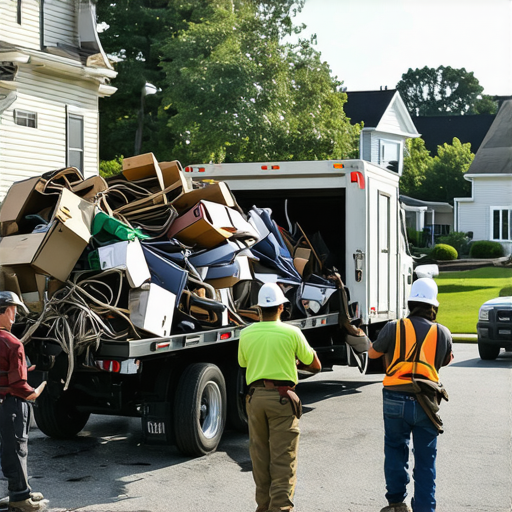
Garage clean outs require a systematic approach to inventory management and waste diversion to prevent the re-accumulation of clutter. By 2026, the cost of tipping fees at regional transfer stations will make disposal more expensive, necessitating a focus on volume reduction and material recovery during the initial haul process. I once cleared a house where the junk wasn’t just stuff. It was a structural hazard. We found the floor joists were bowing under the weight of 40 years of newspapers that had absorbed ten years of basement humidity. The air was thick with the scent of mold and forgotten intentions. We had to shore up the foundation before we could even begin the removal process because the sheer tonnage of paper was the only thing holding the drywall in place. This experience taught me that waste is not static. It is a living, breathing liability that degrades the integrity of your home. If you treat your garage as a temporary waypoint for debris, you are actually building a private landfill that will eventually cost thousands to remediate. In Aurora, the local disposal climate is shifting toward stricter weight limits and higher penalties for contaminated loads. If you are not careful, your weekend project can turn into a legal and financial quagmire. [IMAGE_PLACEHOLDER]
The physics of a five ton load
Appliance removal and furniture removal involve calculating the density of materials to determine the most cost effective disposal route for the homeowner. A standard refrigerator contains approximately 120 pounds of steel and insulation, but its volume occupies nearly two cubic yards of truck space if not handled with precision. When we look at a garage clean out, we are looking at the math of displacement. Every square foot of air occupied by an old sofa is a square foot you are paying for in a dumpster rental. The logistics of a professional haul require an understanding of how to cube out a truck. This means filling every void with smaller items to maximize the weight to volume ratio. If you leave gaps, you are paying to transport Colorado air. This is why many professional Junk Removal Aurora services are moving toward weight-based pricing models. It is a more honest reflection of the environmental impact and the labor required to shift mass. Unlike the curbside cowboys who just throw everything into a heap, a veteran strategist identifies the scrap value of every component. We look for copper in the wiring of old power tools and high-density polyethylene in those sun-cracked storage bins. Every pound diverted from the landfill is a victory for the bottom line and the local ecosystem.
“Waste is merely a resource in the wrong place; professional removal is the science of putting it back where it belongs.” – Disposal Industry Maxim
The heavy cost to keep everything
Furniture removal often reveals the hidden psychological and physical weight of objects that no longer serve a functional purpose in a modern home. Most people overestimate the future utility of their items while underestimating the current cost of storage. In 2026, the real estate value of a garage in Aurora far exceeds the value of the broken lawnmowers and scrap wood stored within it. We see it every day. A resident will spend $200 a month on a storage unit while their garage remains a dead zone of junk. This is a failure of logistics. To maintain a clear space, you must adopt the habit of the one-in-one-out manifest. Every time a new purchase enters the garage, an equivalent volume of material must exit. This prevents the slow creep of accumulation that leads to a hoarder clean out Aurora situation. If you do not manage the flow of material, the material will manage you. We calculate the BTU potential of recovered wood waste and realize that the pine shelving you are hoarding is actually a fire hazard waiting for a spark. It is dry, it is aerated, and it is surrounded by synthetic fabrics that act as an accelerant. Safety is the primary reason for a clean garage, not just aesthetics.
| Material Type | Typical Disposal Route | Recovery Rate (%) |
|---|---|---|
| Ferrous Metals | Scrap Processor | 98% |
| Upholstered Furniture | Waste-to-Energy | 15% |
| Major Appliances | Specialized Recycling | 90% |
| Mixed Household Debris | Landfill Transfer | 5% |
Local waste protocols for Aurora residents
Dumpster rentals Aurora residents use must comply with specific municipal codes regarding the placement of bins on public right-of-way paths and streets. If you place a 20-yard roll-off on the street without a permit, you are looking at a daily fine that can exceed the cost of the rental itself. Furthermore, the Denver Arapahoe Disposal Site (DADS) has strict guidelines on what constitutes a clean load. If your dumpster contains tires, lithium batteries, or hazardous chemicals, the entire load can be rejected or subjected to a contamination fee. This is the contrarian reality of modern waste management. While many people believe that recycling everything is the most ethical choice, the carbon footprint of hauling low-grade plastics 500 miles often exceeds the impact of local, high-efficiency waste-to-energy incineration. We have to be smart about where things go. A local haul to a specialized recycler in the Denver metro area is better than shipping plastic to a facility that will just end up burying it because the market for contaminated PET has collapsed. You need to know your local outlets.
Items your hauler cannot legally touch
- Propane tanks and pressurized cylinders
- Lead-acid automotive batteries
- Industrial solvents and pool chemicals
- Biohazardous waste or medical sharps
- Wet paint or unsealed oil containers
- Asbestos-containing construction materials
“Proper hazardous waste management is the first line of defense against groundwater contamination and residential fire risks.” – SWANA Safety Guidelines
Strategic load management for 2026
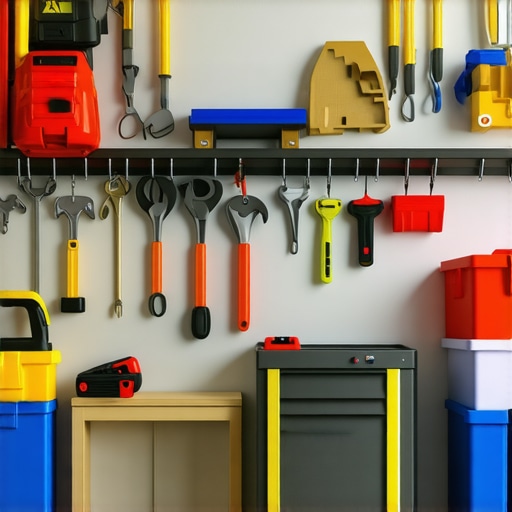
Junk removal Aurora experts suggest that the most effective way to keep a garage clean is through quarterly volume audits. These audits allow you to identify items that have reached the end of their lifecycle before they become part of a larger, unmanageable mass. The first habit is the digital inventory. Take a photo of your garage shelves every three months. If the same box hasn’t moved in a year, it is no longer an asset. It is a liability. The second habit is the zero-threshold policy for broken items. If you cannot fix it in forty-eight hours, it goes to the scrap pile. The third habit is the pre-sort. Do not wait for the truck to arrive to decide what is trash. Have a designated zone for scrap metal, a zone for donation, and a zone for actual refuse. This reduces the labor time for the crew and ensures that your furniture removal or appliance removal goes smoothly. When my team pulls up to a house where the client has pre-sorted, we can clear a two-car garage in under forty minutes. That is the peak of logistical efficiency. It saves you money and it saves my team’s backs. In the world of high-volume hauling, time is weight, and weight is money. Keep your garage ready for the next load by ensuring nothing stays longer than it should.