The liability of the curb
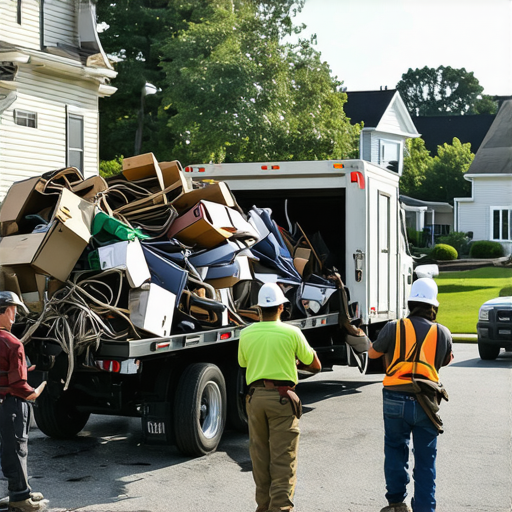
A business owner tried to save 500 dollars by hiring a guy with a pickup truck from a social media ad. Two weeks later, the police called him because his company confidential files were found in a ditch. Your junk is your liability until it hits the scale. This reality defines the high stakes of Junk Removal Aurora operations where legal compliance meets physical labor. Most people view a bulky armoire as a simple piece of furniture, but to a veteran hauler, it is a multi-component logistical challenge involving weight distribution, material density, and civil liability. If that armoire is dumped illegally by a cut-rate contractor, the original owner often faces the fines. We see it constantly in the Fox Valley area. The logistics of disposal require a chain of custody that amateur haulers simply cannot provide. When we pull up to a driveway in Aurora, we are not just there to lift. We are there to execute a legal transfer of waste responsibility. The process starts with an audit of the item. Is it solid oak? Is it particle board? Does it contain glass panels that will shatter under the torsion of a hydraulic lift? These questions prevent injuries and environmental hazards. My crews are trained to identify the exact chemical composition of the finish because lead-based paints on older furniture require specific disposal protocols at the transfer station. We do not gamble with the law or the land. Every cubic yard of space in my truck is accounted for. We calculate the displacement of the load to ensure we are not over the gross vehicle weight rating. If you overfill a truck, you risk a blowout on Route 59 or an axle failure that puts other drivers in danger. This is why professional Furniture Removal matters. It is about more than just clearing space in a bedroom. It is about the physics of the load and the integrity of the disposal process.
“Waste is merely a resource in the wrong place; professional removal is the science of putting it back where it belongs.” – Disposal Industry Maxim
The structural physics of a wooden titan
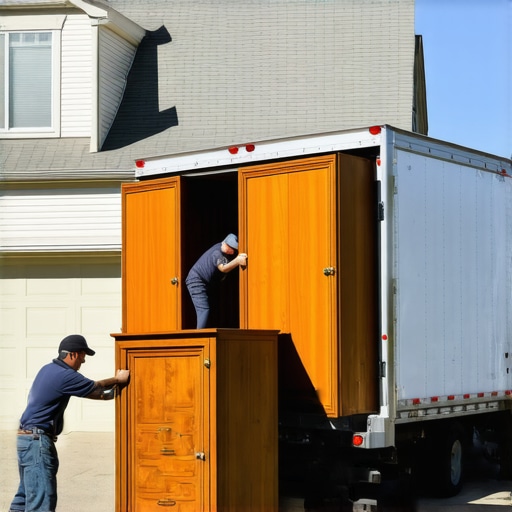
Armoire removal in Aurora involves managing center of gravity shifts and structural load limits of residential stairs to prevent property damage. These pieces often weigh between 200 and 400 pounds. When you tilt an armoire back to clear a doorway, the center of gravity moves toward the lower carrier. If that carrier is not prepared for the sudden increase in downward force, the piece will pin them against the wall or drop through the drywall. We use high-tensile strength forearm forklifts and specialized dollies with non-marking rubber wheels. We analyze the joints. A mortise and tenon joint on a vintage piece will hold, but a modern cam-lock system from a big-box store will fail under lateral stress. If the frame twists during transport, the entire piece can implode. This creates a mess of splinters and hardware that is difficult to sweep and dangerous for pets. We often have to perform a controlled deconstruction on-site. This involves removing the crown molding, the heavy mirrored doors, and the internal shelving to reduce the primary mass. We calculate the swing radius for every corner. In the tight hallways of older Aurora homes near the downtown district, this precision is the difference between a successful job and a thousand-dollar repair bill. We track the humidity levels in the wood. Damp wood is heavier and more prone to structural failure during a lift. We measure the moisture content to estimate the final weight at the scale. This level of detail is what separates a professional waste strategist from a random guy with a trailer. We are looking at the molecular level of the haul.
The Aurora disposal ecosystem
Local disposal logic for Dumpster Rentals Aurora requires knowledge of the Orchard Hills Landfill and specific transfer station ordinances governing the Fox River Valley. You cannot just throw everything in a bin and hope for the best. The City of Aurora has strict rules about what enters the municipal waste stream. Large furniture items often require a special sticker or a scheduled pickup, but even then, the city has limits on volume. For a Hoarder Clean Out aurora project, the sheer scale of the waste exceeds municipal capacity. We utilize private transfer stations that allow for higher diversion rates. We know which facilities are currently accepting wood waste for biomass energy and which ones are strictly landfilling. This saves our customers money because tipping fees fluctuate based on the type of material. If we can separate the metal hardware from the wooden frame, we reduce the cost of the load. We understand the traffic patterns on Route 31 and Eola Road. Timing a haul is essential to maintaining our margins and keeping our appointments. If a truck is sitting in traffic, the customer is paying for idle time. We optimize our routes using real-time GPS data and historic traffic flow analysis. This logistical rigor ensures that your Garage Clean outs are finished on schedule. We also keep a manifest of every item removed. This provides a paper trail for the customer, proving that their items were disposed of at a licensed facility. It is total accountability from the bedroom to the landfill.
| Disposal Method | Cost Basis | Ideal Item Type | Environmental Impact |
|---|---|---|---|
| Curbside Pickup | Flat Fee/Sticker | Single Items | High Landfill Rate |
| Dumpster Rental | Daily/Volume | Construction Debris | Moderate Sorting |
| Full Service Removal | Cubic Yardage | Heavy Furniture | High Diversion Rate |
| Charity Donation | Tax Receipt | High Quality Goods | Zero Waste |
Volume versus weight in waste economics
Cubic yard density determines the pricing for Junk Removal services because truck space is a finite resource managed by logistical Tetris experts. Most people think they should pay by the hour, but that incentivizes slow work. We charge by the space occupied. If we can break down an armoire into flat panels, we save the customer money because it takes up less room in the bed. We call this cubing out the truck. Air is the enemy of a waste manager. If I am hauling air, I am losing money. We pack our trucks with surgical precision. The heaviest items go over the rear axle to maintain traction and stability. Lighter, more voluminous items like mattresses or cushions go on top. We use ratcheting straps to compress the load, squeezing out every inch of wasted space. This is a technical skill. If you pack the truck poorly, the load shifts during transit. A shifting load can cause a rollover or damage the truck walls. In Appliance removal, we have to consider the weight of the steel. A refrigerator is small in volume but high in density. An armoire is the opposite. Balancing these two types of waste is the art of the load. We calculate the tipping fee before we even leave the driveway. We know the current price per ton at the local Aurora scales. This allows us to give accurate quotes that do not change at the end of the day. We do not like surprises, and our customers do not either.
- Lead-acid batteries (leaching hazard)
- Propane tanks (explosive risk)
- Wet chemicals and paints (hazardous waste)
- Tires (require specialized recycling)
- Asbestos-containing materials (specialized abatement)
- Medical waste (biological hazard)
Hazardous realities in old furniture
Hidden environmental hazards in Furniture Removal include mercury switches in antique clocks or VOC emissions from degrading glues in mid-century cabinets. Many people do not realize that old furniture can be toxic. I have seen armoires that were stored in damp basements for decades. They become breeding grounds for black mold. When we move them, the spores become airborne. This is why we wear N95 respirators and use HEPA vacuums during the removal process. We protect your indoor air quality. Then there are the chemicals. Older finishes often used lead or high concentrations of volatile organic compounds. As the finish cracks and peels, it becomes a hazardous dust. We wrap these items in 6-mil plastic before moving them through the house. This contains the contaminants. We also look for signs of pests. Bedbugs and wood-boring beetles are a major concern in the junk industry. If we see evidence of infestation, we follow a strict containment protocol to prevent spreading the problem to our truck or other customers’ homes. We are the frontline of public health in many ways. Waste management is not just about moving heavy objects. It is about identifying and neutralizing threats to the community. We take this responsibility seriously.
“Modern waste management is the final barrier between a healthy community and an environmental disaster.” – Solid Waste Association of North America (SWANA)
The environmental recovery cycle
Diversion rates in Aurora waste management focus on material recovery through specialized sorting of wood, metal, and glass components. While most people think recycling is always better, the carbon footprint of hauling low-grade plastics 500 miles often exceeds the impact of local, high-efficiency waste-to-energy incineration. We look for the most efficient path for every piece of junk. If an armoire is solid wood, it has a high BTU value. It can be chipped and used for industrial fuel or mulch. If it is made of composite materials like MDF, it is unfortunately destined for the landfill because the resins used in the manufacturing process make it difficult to recycle. We educate our customers on these realities. We do not greenwash our services. We give you the hard facts about where your stuff is going. In Garage Clean outs, we often find a mix of metals. Aluminum, copper, and steel all have different market values. We sort these on the fly. This material recovery reduces the need for virgin mining and saves energy. The energy required to recycle aluminum is only five percent of the energy needed to produce it from ore. By hauling your old appliances and furniture to the right facilities, we are contributing to a circular economy. It is about maximizing the value of every pound of waste. We are not just haulers. We are resource managers. We treat your junk with the respect that a raw material deserves. Every load we take is a chance to improve the diversion rate for Aurora and keep the Fox River valley clean for the next generation. We do the heavy lifting so you do not have to, and we do it with a level of expertise that ensures the job is done right the first time.