The Logistical Reality of Aurora Recliner Removal
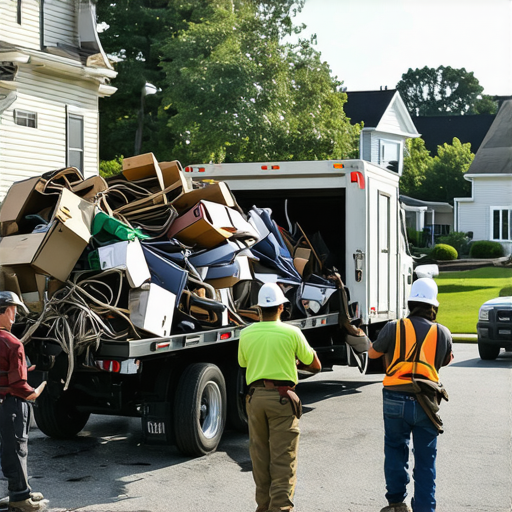
A business owner in Arapahoe County tried to save five hundred dollars by hiring a guy with a beat up pickup truck from a social media ad. Two weeks later, the Aurora police called him because his company confidential files were found in a ditch near the Cherry Creek spillway. Your junk is your liability until it hits the scale and you have a receipt from a licensed transfer station. This is the reality of the waste industry. People think furniture removal is just about muscle. It is actually about liability, logistics, and legal compliance. I have spent twenty five years watching people treat waste like an afterthought until the fines start rolling in. If you are sitting on an old recliner in Aurora, you are not just looking at a chair. You are looking at eighty to one hundred and fifty pounds of mixed density materials that the municipal curbside service might ignore or fine you for if placed incorrectly.
The weight of an Aurora recliner
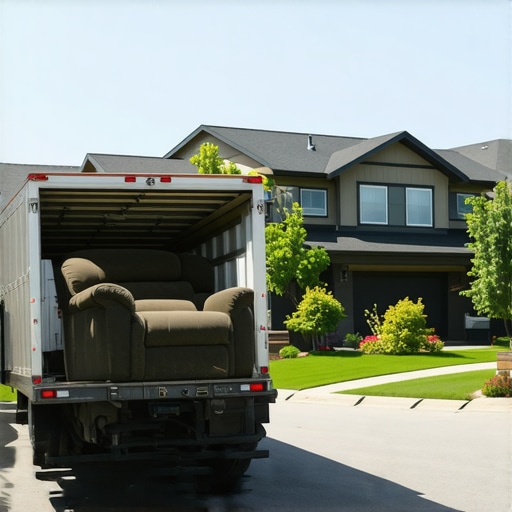
Furniture removal in Aurora requires understanding that a standard mechanical recliner weighs between 100 and 150 pounds and occupies approximately 1.5 cubic yards of truck space. Professional haulers calculate cost based on this volume and the labor required to navigate residential stairs and doorways without causing structural damage to the property.
When we talk about junk removal Aurora residents often underestimate the mechanical complexity of their old furniture. A recliner is a beast of engineering. It contains a heavy gauge steel chassis. It has a high density wooden frame often made of engineered plywood. It is stuffed with polyurethane foam. This foam is treated with brominated flame retardants. These chemicals do not belong in your local ecosystem. When you toss a chair into a ditch, the rain hits it. The chemicals leach. The steel rusts. The foam breaks down into microplastics that enter the Aurora watershed. A professional strategist sees this chair as a puzzle of material recovery. We look at the load density. If I put that chair in a fifteen yard truck, I am fighting for every inch of air space. I want to cube that truck out. Wasted air is wasted money. I hate air. Air in a truck is a logistical failure.
Breaking down the mechanical frame
The steel mechanism inside a recliner is high grade carbon steel. In a high volume junk removal operation, we categorize this as light iron or tin. If we are doing a massive hoarder clean out Aurora project, we might separate these frames. The scrap value is low but the diversion rate matters. Diversion rate is the percentage of waste we keep out of the landfill. A high diversion rate is the mark of a professional. Curbside cowboys do not care about diversion. They care about the quickest way to empty their truck. Often, that means the nearest alleyway. That is a crime. It is also a waste of steel that could be melted down and turned into new rebar for Aurora infrastructure projects.
Why dumpster rentals Aurora residents choose can fail for single items
If you have one chair, do not rent a dumpster. Dumpster rentals Aurora services are designed for high volume debris like shingles or drywall. A ten yard dumpster costs several hundred dollars. If you put one recliner in it, you are paying for ninety percent air. It is a mathematical disaster. Furthermore, dumpsters on residential streets in Aurora often require permits if they block right of ways. You also face the risk of illegal dumping. You wake up and find your neighbors have filled your rented dumpster with their own trash. Now you are paying for their waste. A live load junk removal service is different. We show up. We lift. We go. No permits. No risk of neighbor interference. No wasted air space.
“Waste is merely a resource in the wrong place; professional removal is the science of putting it back where it belongs.” – Disposal Industry Maxim
The hidden geography of Aurora waste
Disposing of furniture in Aurora involves navigating the specific tipping fees and regulations of local facilities like the Denver Regional Landfill on Tower Road or the Aurora Transfer Station. These sites charge based on tonnage or minimum load fees which dictate the final price of professional junk removal.
The logistics of Aurora junk removal are dictated by the scale. When I send a crew to a garage clean outs job near Buckley Space Force Base, I am timing the route. I am looking at the traffic on I-225. I am calculating the fuel burn of a heavy duty box truck. Every minute stuck in traffic is a minute we are not at the transfer station. The tipping fees at the Tower Road facility are not static. They reflect the operational costs of managing thousands of tons of waste. If you try to take a single recliner there yourself, you will likely hit a minimum load fee. You might pay for a full ton even though your chair weighs a fraction of that. This is why consolidation is the secret of the trade. We combine your chair with nine other pickups. We spread the tipping fee. We optimize the route. It is a game of pennies that adds up to a functional business model.
Navigating the Tower Road landfill
The Denver Regional Landfill is a massive operation. It is a controlled environment. They have liners to prevent leachate from hitting the groundwater. They have methane capture systems. When you hire a professional for appliance removal or furniture disposal, this is where the material should go. It should not go to a vacant lot in North Aurora. The scale operator at the landfill provides a weight ticket. This ticket is your proof of legal disposal. If a hauler cannot show you a disposal receipt, they are likely cutting corners. Ask for the receipt. Demand it. It is your only shield against environmental liability.
Tipping fees and volume metrics
In the junk removal Aurora market, we price by the eighth, quarter, half, or full truck. A full truck is typically fourteen to fifteen cubic yards. If a recliner is one point five yards, it is roughly ten percent of a truck. But the labor is the variable. Moving a chair from a third floor apartment in a complex with no elevator is a different price point than a chair sitting on a driveway. We calculate the “time to truck” metric. If my crew spends forty minutes fighting a bulky recliner through a narrow hallway, that is forty minutes of lost productivity. We don’t just lift. We strategize the path of least resistance.
Hazards inside the upholstery
Modern furniture removal must account for chemical hazards and potential biohazards hidden within old fabrics and foams. Professional haulers are trained to identify these risks to prevent environmental contamination and ensure worker safety during the transport to Aurora disposal sites.
I once saw a rookie almost lose his eyebrows because a customer hid a half full propane tank inside a pile of yard waste. People do the same with furniture. They stuff old paint cans or lithium batteries under the cushions. This is a fire hazard. Lithium batteries in a trash compactor are bombs. They ignite. The truck catches fire. The entire load becomes a hazmat situation. We don’t just lift; we inspect. Every. Single. Item. If you have an old recliner that has been sitting in a damp basement for ten years, it is likely a colony for mold. It might have pests. Bed bugs are a nightmare in this industry. We have protocols for that. We wrap the item in plastic. We isolate the load. We protect the truck.
| Disposal Method | Cost Efficiency | Environmental Impact | Labor Requirement |
|---|---|---|---|
| Municipal Bulk Pickup | High | Moderate | Low (Curbside only) |
| Professional Junk Removal | Moderate | Low (High Diversion) | Zero (We do everything) |
| DIY Landfill Run | Low (Fees + Gas) | Moderate | High |
| Illegal Dumping | Zero (Initially) | Extreme | Moderate (Risk of Fines) |
Fire retardants and leachate
Polyurethane foam is essentially solid gasoline. It burns hot and fast. That is why it is treated with flame retardants. But when that foam sits in a landfill, those chemicals break down. They become leachate. A professional Aurora waste management strategy ensures that these items are buried in lined cells or sent to waste to energy plants. Waste to energy is a fascinating field. We can take your old chair and turn it into BTUs. We can turn your trash into electricity. But that only happens if the logistics chain is unbroken. If that chair is dumped in a creek, it is just poison. Professional haulers are the guardians of that chain.
The hidden cost of cheap labor
When you see an ad for twenty dollar junk removal, run. It is a lie. The math does not work. A gallon of diesel is four dollars. The tipping fee minimum is forty dollars. The insurance for a crew is expensive. If someone offers to take your chair for twenty dollars, they are not taking it to the landfill. They are dumping it behind a grocery store or in a park. You are now an accomplice to a crime. In Aurora, the penalties for illegal dumping are severe. It is not worth the risk. Hire someone with a logo on the truck and a permit in the glove box.
“The Resource Conservation and Recovery Act gives the EPA the authority to control hazardous waste from the cradle-to-grave. This includes the generation, transportation, treatment, storage, and disposal.” – Federal Environmental Policy
The logistics of a hoarder clean out Aurora
Managing a hoarder clean out Aurora involves high density debris removal and structural assessment to ensure the weight of accumulated furniture and waste has not compromised the safety of the building. This requires heavy duty equipment and specialized labor to handle the massive volume of material safely.
A hoarder situation is not just a mess. It is a structural hazard. I have cleared houses where the floor joists were bowing under the weight of forty years of newspapers that had absorbed ten years of basement humidity. We are talking about hundreds of pounds per square foot. In these cases, furniture removal becomes a tactical operation. We have to clear a path. We have to monitor the load. We use specialized equipment. We use respirators. It is a data overflow error in physical space. Every item is a bit of data. We are the processors. We have to sort the wheat from the chaff. We find the recliners buried under mountains of clothes. We have to extract them without collapsing the pile. It is dangerous. It is slow. It is expensive.
Structural load limits
When we move heavy appliances or furniture in a hoarding situation, we have to consider the stairs. Residential stairs in Aurora are built to specific codes. They are not built for a thousand pounds of junk and four heavy men moving it at once. We have seen stairs fail. We have seen floors give way. This is why we use ramps. We use winches. We use our brains before we use our backs. If you are dealing with a hoarder clean out Aurora, do not try to do it yourself. You will hurt yourself or destroy the house.
The cost of air space
In a high volume clean out, the truck is the most expensive asset. If we pack it poorly, we lose money. We break down furniture. We take the legs off tables. We pull the backs off recliners. We stack them like Tetris. A well packed truck can hold twice as much as a poorly packed one. This reduces the number of trips to the landfill. It reduces fuel consumption. It reduces the cost for the client. Efficiency is the only way to survive in this industry. I hate wasted space. If I see a truck with gaps in the load, I see a failure of management.
Choosing between live load and dumpster rental
Determining whether to use a live load junk removal service or a dumpster rental Aurora depends on the speed of the project and the availability of space for a container. Live loads are superior for immediate furniture removal while dumpsters are better for long term renovation projects where debris is generated over several days.
In the narrow residential streets of Aurora, a twenty yard dumpster is often a permit nightmare. You need a live load truck. A live load means the crew stays with the truck. We load it and leave. We are there for an hour. A dumpster sits there for a week. It kills the grass. It attracts rodents. It attracts illegal dumpers. If you are doing a garage clean outs project, a live load is almost always the better option. We help you sort. We do the heavy lifting. We are gone before the neighbors even notice. It is a surgical strike on clutter.
Permitting in residential Aurora neighborhoods
If you must use a dumpster, check the local ordinances. The City of Aurora has specific rules about where a dumpster can be placed. You cannot just drop it on a sidewalk. You cannot block a fire hydrant. If you put it on the street, you need reflectors. You might need a permit from the public works department. If you ignore these rules, the fines will be more expensive than the dumpster itself. A professional junk removal service handles the logistics so you do not have to. We know the city code. We follow it.
The checklist of forbidden items
There are things we cannot touch. This is not because we are lazy. It is because we are compliant. We are not licensed for hazmat. If you have these items, you need a specialized contractor.
- Lead acid batteries from old vehicles or backup power systems.
- Propane tanks, even if they feel empty.
- Wet paint or industrial solvents.
- Asbestos containing materials like old floor tiles or pipe insulation.
- Medical waste or biohazards.
- Tires (unless a specific tire recycling fee is paid).
The heavy cost of keeping everything
Every square foot of your home in Aurora has a value. If you are using fifty square feet of your basement to store an old, broken recliner, you are losing money. You are paying taxes on that space. You are paying for the heat and cooling of that space. You are paying the mental price of clutter. Clutter is a drain on your productivity. It is a drain on your happiness. Professional junk removal is an investment in your property value. It is an investment in your sanity. When we pull that old chair out and take it to the landfill, we are giving you your home back. That is the real service we provide. We are not just haulers. We are space restorers.
The carbon footprint of hauling
While most people think recycling is always better, the carbon footprint of hauling low grade plastics five hundred miles often exceeds the impact of local, high efficiency waste to energy incineration. This is a contrarian view, but the math supports it. We try to keep our disposal as local as possible. We use the closest licensed facilities. We optimize our routes. We minimize our idle time. We are constantly looking for ways to reduce the environmental impact of our operations. This is the future of waste management. It is not just about moving dirt. It is about moving it intelligently.
The appliance removal connection
Often, a furniture removal job turns into an appliance removal job. People find an old fridge in the garage or a broken washer in the basement. Appliances are different. They contain refrigerants like Freon. These must be recovered by a certified technician. You cannot just vent them into the atmosphere. It is a violation of federal law. We coordinate with specialists to ensure that every appliance we haul is handled correctly. We pull the compressors. We recycle the copper. We ensure the steel is recovered. This is the science of disposal. It is a complex web of regulations and logistics that we navigate every day.