The physics of moving heavy furniture in Aurora
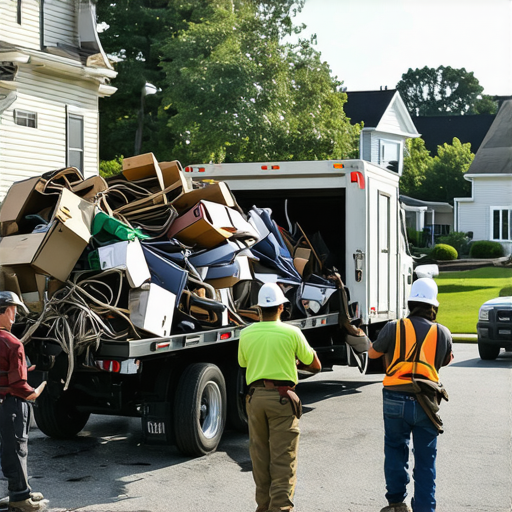
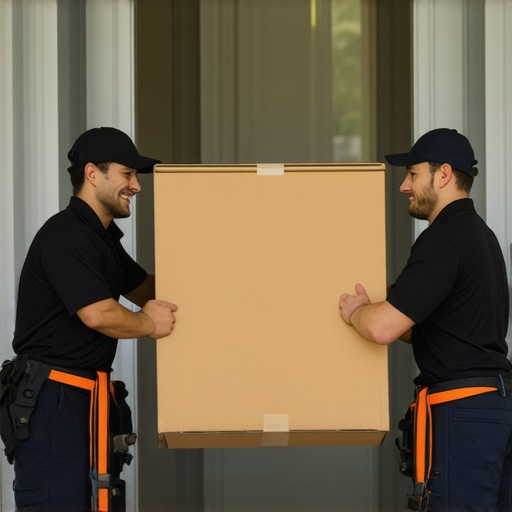
Furniture removal Aurora requires understanding load distribution and vertical lift physics to move heavy dressers safely. Fast removal depends on clearing exit paths, removing drawers to reduce static weight by 40 percent, and utilizing high-tensile strength moving straps. Professional teams optimize truck space using the vertical stacking method. I have spent two decades staring at the back of 15-yard dump trucks, calculating the exact cubic density of residential debris. I smell like diesel, hydraulic fluid, and the stale dust of a hundred attics. A business owner in Aurora once tried to save 500 dollars by hiring a guy with a pickup truck from a social media ad. Two weeks later, the police called him because his company confidential files were found in a ditch near the Fox River. Your junk is your liability until it hits the scale at the transfer station. We do not just lift objects. We manage risks and navigate the logistics of weight. When you face a three-hundred-pound oak dresser in a second-floor bedroom, you are not just looking at furniture. You are looking at a structural challenge that can snap a floor joist or blow out a rotator cuff if handled by amateurs. Junk removal Aurora crews see this every day. We know that a dresser is a box of air surrounded by heavy wood. To move it fast, you must kill the volume. Empty the drawers. Remove the mirrors. Analyze the center of gravity. If the piece is made of modern medium density fiberboard, it might actually be heavier than solid wood due to the glue resins used in its construction. These pieces also absorb moisture in damp Aurora garages, increasing their mass through hygroscopic expansion. This makes them brittle and dangerous to tilt.
The heavy cost of keeping everything
Hoarder clean out Aurora services focus on high-volume material recovery and the systematic clearing of exit corridors to ensure fire safety. Fast furniture removal in these environments involves triaging items by material type to streamline the tipping process at the landfill. Professionals prioritize heavy furniture that blocks ventilation or structural access. Dealing with a hoarder clean out Aurora project is an autopsy of a house. I once cleared a home where the floor was bowing under the weight of 40 years of newspapers. Those papers had absorbed ten years of basement humidity, turning them into a solid, heavy block of cellulose. We had to use chainsaws to segment the piles. When you add furniture removal to that mix, the logistics become a nightmare. You have to create a staging area. You cannot just drag a dresser through a path that is only twenty inches wide. You have to carve a path first. This is why garage clean outs often happen in tandem with whole-house efforts. The garage serves as the loading dock for the operation. It is the place where we stage the furniture before it is loaded onto the truck. We calculate the tare weight of the truck and the projected gross weight to ensure we do not exceed the legal limits of Illinois roads. If we overfill the truck, we risk a fine from the State Police. If we underfill it, we lose money on the trip. It is a game of Tetris with real-world consequences.
“Waste is merely a resource in the wrong place; professional removal is the science of putting it back where it belongs.” – Disposal Industry Maxim
Why your cheap hauler is a legal time bomb
Junk removal Aurora residents must verify the insurance and disposal licenses of any contractor to avoid secondary liability for illegal dumping. Fast removal is worthless if the items end up in a local park. Professional furniture removal involves documented chains of custody and legitimate tipping fees paid at authorized transfer stations. The industry is full of curbside cowboys. These are men with rusted trucks who quote prices that do not even cover the tipping fees at the local landfill. If the price is too low, the junk is going into a ravine. This is a violation of the Resource Conservation and Recovery Act. When we perform appliance removal or furniture removal Aurora, we are tracking every pound. We know the exact BTU potential of the wood waste we recover. We know which Aurora transfer stations are currently charging a premium for bulk items. A professional crew uses heavy-duty dollies with non-marring rubber wheels. We use 4,000-pound test nylon straps. We do not just throw things. We stack. We secure. We pack the truck to ensure no air is being transported. Air is expensive. We want to maximize the density of every load to keep costs down for the customer while remaining profitable.
| Disposal Method | Labor Intensity | Cost Efficiency | Risk Factor |
|---|---|---|---|
| Curbside Pickup | High | Moderate | Low |
| Dumpster Rentals Aurora | Very High | High | Moderate |
| Full Service Junk Removal | Low | High | Zero |
| Illegal Dumping | Low | Zero | Extreme |
The ghost in the garage
Garage clean outs in Aurora require a systematic approach to sorting hazardous household waste from general furniture and bulky items. Fast furniture removal in a garage involves clearing the perimeter first to allow for the deployment of mechanical lifting aids. This prevents back injuries and speeds up the loading cycle. The garage is where junk goes to die. It is also where dangerous materials hide. I watched a rookie almost lose his eyebrows because a customer hid a half-full propane tank inside a pile of yard waste. We don’t just lift. We inspect. Every. Single. Item. During a garage clean outs project, we often find old dressers used as tool benches. These are usually contaminated with motor oil or lead-based paints. They cannot just go into the general waste stream. They require special handling. In Aurora, the local ordinances are strict about what can enter the landfill. We have to separate the metal drawer pulls from the wooden frames to maximize the recycling rate. This is not just about being green. It is about the economics of the dump. Scrap metal pays a small rebate. Mixed waste costs money. A smart logistics manager knows how to split the load to save the client money.
- Wet Paint and Solvent Containers
- Lithium Ion Batteries from Cordless Tools
- Used Motor Oil and Antifreeze
- Asbestos Siding or Pipe Insulation
- Compressed Gas Cylinders
- Medical Waste and Sharps
The mechanical reality of appliance removal
Appliance removal Aurora involves managing the heavy weight of steel and the hazardous refrigerants found in older cooling units. Fast removal requires specialized hand trucks and an understanding of the mechanical fasteners used in residential installations. Professional haulers ensure that freon is captured according to EPA standards. Moving a refrigerator is similar to moving a heavy dresser, but the weight is concentrated in the compressor. The center of gravity is high and toward the back. If you tilt it too far, you break the seal. If it is an old unit, it might contain CFCs. These are highly regulated under the Clean Air Act. We take these units to specialized recyclers who evacuate the gas before the steel is shredded. The same applies to heavy dressers that have been modified with built-in electronics. These are no longer just furniture. They are e-waste. Junk removal Aurora services must evolve as furniture becomes more complex. We see dressers with integrated LED lighting and USB ports. This adds a layer of complexity to the disposal process. We have to strip the electronics before the wood can be processed into mulch or fuel pellets.
“The Resource Conservation and Recovery Act (RCRA) gives EPA the authority to control hazardous waste from the cradle to the grave.” – Environmental Protection Agency
The heavy cost of heavy dressers
Furniture removal Aurora tasks are often priced based on the volume the items occupy in the truck and the labor required for extraction. Fast removal of heavy dressers is achieved through the use of glide plates and ramps that minimize manual lifting. This approach protects the home and the movers from structural damage. Let us talk about the math of the truck. A standard junk removal truck has a capacity of about 15 cubic yards. A large dresser might take up 1.5 cubic yards. If the dresser is solid oak, it might weigh 300 pounds. If it is full of old clothes, it might weigh 450 pounds. We calculate the density. If we have a truck full of dressers, we hit our volume limit long before we hit our weight limit. This is called cubing out. However, if those dressers are filled with books or magazines, we might hit our weight limit first. This is called weighing out. A professional logistics manager is always balancing the cube and the weight. We use the heavy dressers as the base of the load. We stack lighter items like chairs and sofas on top. This is the science of the load. We use every inch of that truck. We do not like wasted air space. Every cubic foot of air in that truck is lost revenue.
The final transition in Aurora
Junk removal Aurora operations conclude at the transfer station where the load is weighed and sorted for final disposal or energy recovery. Fast removal is the result of a coordinated chain of events from the first lift to the final tip. Understanding local disposal logic ensures that your junk is handled legally and ethically. In the end, the dresser ends up at a place like the Orchard Hills Landfill or a local transfer station. It is pushed into a massive pile by a front-end loader and crushed. The energy in that wood might be recovered in a waste-to-energy plant, or it might sit in the ground for fifty years. While most people think recycling is always better, the carbon footprint of hauling low-grade plastics five hundred miles often exceeds the impact of local high-efficiency waste-to-energy incineration. We consider these things. We choose the disposal site based on proximity and diversion rates. We want to keep Aurora clean. We want to keep the Fox River free of debris. We want to ensure that when we leave a house, the customer is not just relieved of their junk, but also relieved of their liability. That is the hallmark of a professional. We take the burden, the weight, and the risk, and we make it disappear into the logistics of the modern waste stream. The floor stops bowing. The garage opens again. The truck moves on to the next load. The cycle of consumption and disposal continues, managed by those of us who understand the true weight of things.
This detailed overview really highlights the complexity behind heavy furniture removal that many homeowners might overlook. I’ve experienced firsthand how improper handling, especially with older furniture like oak dressers or units with integrated electronics, can lead to safety hazards or even environmental issues. I was surprised to learn how moisture absorption can increase the weight and brittleness of furniture, making professional handling even more critical. Also, the emphasis on legal disposal and tracking every pound reinforces the importance of choosing licensed, responsible services. When I had to clear out my grandmother’s house, I underestimated the value of strategic stacking and proper load calculations, which delayed the process. Has anyone here faced challenges with electronic components integrated into furniture that required special recycling? How did you manage the electronics properly while ensuring quick removal? I’d love to hear some practical tips or experiences on dealing with these hybrid items efficiently.
This post offers a fascinating insight into the complexity of moving heavy furniture efficiently and safely, especially in a place like Aurora with its unique logistics considerations. I’ve personally experienced how improper load balancing or neglecting the structural aspects can lead to accidents or damage. One thing I’ve noticed is that even small details, like removing mirrors or emptying drawers, can significantly reduce the risk and ease the process. With the rising integration of electronics into furniture—like dressers with USB ports or LED lighting—it’s clear that disposal is becoming more intricate. I wonder, how do professionals ensure they safely disconnect and recycle these electronic components without causing delays or environmental harm? Also, I’m curious about the best practices in situations where old appliances or furniture contain hazardous materials unintentionally hidden inside. Are there standardized protocols that most Aurora removal companies follow to handle these safely, or is this still a challenge for many? Would love to hear some perspectives on managing these complexities, especially from those with practical on-the-ground experience.