The ghost in the garage
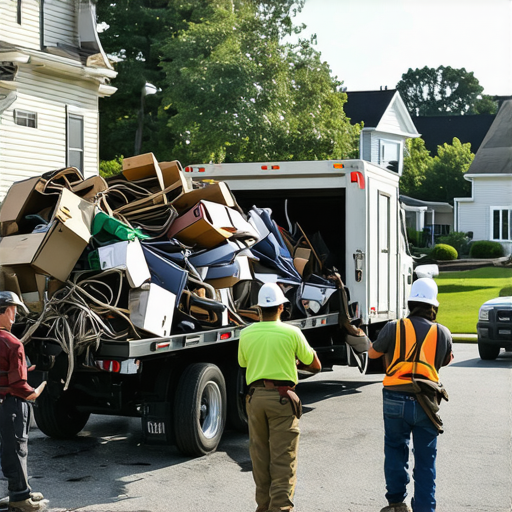
Furniture removal in Aurora requires an understanding of volume, weight, and the local Kane County disposal regulations to ensure cost-effective waste management. Every piece of discarded upholstery represents a specific cubic footprint that impacts the logistics of a standard fifteen yard truck. Proper disposal prevents environmental contamination and legal liability for the property owner. A business owner tried to save 500 dollars by hiring a guy with a pickup truck from a social media ad. Two weeks later, the police called him because his company’s confidential files and old office chairs were found in a ditch. Your junk is your liability until it hits the scale at a licensed transfer station. The lesson is simple. If the price seems too good to be true, the waste is likely heading for a local creek or a vacant lot instead of the Indian Creek Landfill. We see it every week. The logistics of a clean out require more than just muscle. They require a manifest of destination. When we pull up to a driveway in Aurora, I am not just looking at a pile of chairs. I am calculating the tetris of the load. I am looking at the density of the wood. I am smelling the rot to see if we have a biological hazard on our hands. The truck does not lie. If you leave air space in that box, you are burning money. Every square inch must be packed tight. The hydraulics of a modern packer truck can crush a sofa into a third of its size, but a standard dump trailer needs manual disassembly for that same efficiency. We strip the cushions. We break the frames. We ensure that the load is balanced over the axles. If the load shifts during a turn on Orchard Road, the physics of inertia can tip a trailer. This is why professional hauling is a science of weight distribution and volumetric efficiency.
Why your cheap hauler is a legal time bomb
Disposal of furniture and appliances in Aurora involves strict adherence to the Resource Conservation and Recovery Act to avoid steep fines and environmental damage. Hiring unlicensed haulers often leads to illegal fly-dumping where the original owner remains legally responsible for the cleanup costs and associated penalties. Illegal dumping is the scourge of our local ecosystem. When someone tosses a refrigerator into a ravine, they are not just moving trash. They are leaking refrigerants into the soil. They are creating a nesting ground for vermin. The city of Aurora has specific days for bulky items, but if you miss that window or exceed the limit, you cannot just leave it on the parkway. The wind picks up. The rain soaks the fabric. A fifty pound chair becomes a two hundred pound sponge within forty eight hours. This ruins the recovery value of the materials. We aim for a high diversion rate. We want the wood to go to a mulcher. We want the metal to go to the scrap yard. We want the foam to be recycled into carpet padding. When junk sits in the rain, it becomes landfill fodder. This is a failure of logistics. We track every pound. We know where it goes. We provide the paper trail that proves the waste was handled according to Illinois state law.
“Waste is merely a resource in the wrong place; professional removal is the science of putting it back where it belongs.” – Disposal Industry Maxim
The heavy cost of keeping everything
Hoarding situations in Aurora create significant structural risks as the combined weight of accumulated materials can exceed the load bearing capacity of residential flooring. Professional remediation focuses on the systematic extraction of debris to restore safety and air quality while identifying hidden hazardous materials within the pile. We found a situation where the floor joists were bowing under the weight of forty years of newspapers. The humidity had turned the paper into a solid, heavy block of cellulose. It was no longer paper. It was a structural element that was pushing the walls outward. In Aurora, the older homes near the downtown area were not built for modern load densities. When a garage is packed to the rafters, the roof trusses begin to splay. The door tracks warp. We have to brace the ceiling before we even start the removal. This is the difference between a junk guy and a logistics manager. We assess the risk. We use the right tools. We do not just pull things out. We analyze the exit path. If we are moving a piano from a second floor, we check the stair stringers for dry rot first. One snap of the wood and you have a thousand pound projectile.
Logistics of Disposal Methods
| Disposal Method | Cost Per Cubic Yard | Labor Intensity | Environmental Impact |
|---|---|---|---|
| Curb Side Pickup | Low | Very High | Low Recovery |
| Full Service Removal | Medium | Zero | High Diversion |
| Dumpster Rental | High | High | Variable |
| Illegal Hauling | Very Low | Zero | Extreme Risk |
The structural weight of a hoard
Hoarder clean outs in Aurora require specialized heavy load equipment and protective gear to mitigate the risks of mold, structural collapse, and chemical leaks. Every layer of a hoarded home presents a different logistical challenge ranging from compressed organic waste to forgotten hazardous household chemicals like old paint or cleaners. The air in these environments is thick with particulates. We wear respirators not because we are soft, but because the lungs cannot process forty years of dust and rodent dander. We use high volume fans to clear the air. We map the house like a grid. We clear the hallways first to establish an extraction route. If there is a fire, we need to know we can get out. Most people do not realize that a hoard is a fuel load. If a spark hits that pile, the entire structure is gone in minutes. We work fast but we work with precision. We separate the plastics from the metals on site. We pack the truck in tiers. The heaviest items go on the bottom, centered over the wheels. The lighter debris fills the gaps. This prevents the load from shifting during transit to the transfer station.
Items Your Hauler Cannot Legally Touch
- Lead-acid automotive batteries
- Propane tanks and pressurized cylinders
- Liquid oil based paints and thinners
- Asbestos containing materials
- Biohazardous waste and medical needles
- Pesticides and herbicides
- Radioactive smoke detectors
Toxic traps in your old appliances
Appliance removal in Aurora must account for the safe extraction of heavy metals and chemical coolants that are regulated under strict environmental protection protocols. Old refrigerators and air conditioners contain Freon which must be recovered by a certified technician before the metal shell can be recycled at a scrap facility. I watched a rookie almost lose his eyebrows because a customer hid a half full propane tank inside a pile of yard waste. We do not just lift. We inspect every single item. An old stove might look like scrap metal, but the insulation inside can contain asbestos in older models. The mercury switches in old thermostats are small but deadly to the local water table if they break in a landfill. We take these to specialized processors. We do not dump them in the general bin. The logistics of hazardous waste are complex. It requires separate manifests. It requires specialized transport. We handle the paperwork so the homeowner does not have to worry about an EPA inspector knocking on their door.
“The management of solid waste is a fundamental requirement for the protection of public health and the environment.” – Solid Waste Association of North America
The physics of the fifteen yard bin
Calculating the density of waste in Aurora determines the final tipping fee and the overall efficiency of the junk removal process for residential and commercial projects. A fifteen yard dumpster can hold a massive amount of debris, but if it is filled with heavy materials like concrete or dirt, it will exceed the weight limit of the truck. This is the cubing out versus weighing out dilemma. A truck can be physically full but under weight, or it can be half empty but at its legal weight limit. We calculate the BTU potential of recovered wood. We know that a ton of clean lumber has more value at a mulch yard than a ton of mixed debris at a landfill. We pass those savings to the customer. We are not just movers. We are waste graders. We look at a pile of chairs and see a specific weight to volume ratio. If the chairs are solid oak, they are heavy. If they are cheap particle board, they are light but bulky. We break them down to maximize the load. We do not pay to haul air. Every cubic foot of air in that truck is a loss. We pack it like a puzzle. We lock it down. We move it out. This is the science of disposal in Aurora.