The heavy price of a free sofa
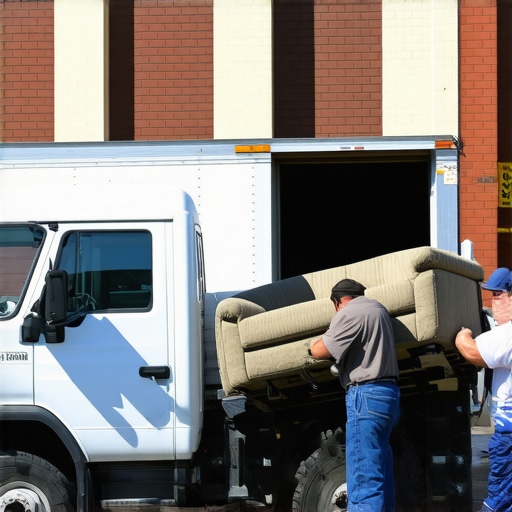
I smell the diesel and the hydraulic fluid before the sun even hits the horizon. I once cleared a house where the junk wasn’t just ‘stuff.’ It was a structural hazard. We found the floor joists were bowing under the weight of 40 years of newspapers that had absorbed ten years of basement humidity. The house was literally sinking under the weight of information. When you look at an old couch in your Aurora living room, you see a memory. I see 150 pounds of polyurethane foam, chemically treated wood, and sinuous steel springs that have reached the end of their fatigue life. In the waste industry, we do not see furniture. We see volume. We see cubic yards. Your couch is a logistical puzzle waiting to be solved. If you think a charity will just show up and haul away a stained sectional, you are mistaken. Most charities are more selective than a high-end furniture store. They have to be. Every piece of junk they accept that they cannot sell becomes a tipping fee liability at the Denver Arapahoe Disposal Site (DADS). They are not in the business of waste management. They are in the business of resale. If your item is not floor-ready, it is an expense. Here is the reality of furniture removal in Aurora and the three organizations that might actually take your load.
The gatekeepers at Habitat for Humanity ReStore
Habitat for Humanity ReStore on South Abilene Street is the gold standard for furniture diversion in Aurora. This is not a dump. It is a boutique for salvaged materials. They operate with the precision of a logistics hub. Their interest lies in high-quality, durable goods that can fund local housing projects. If your couch has a broken frame or a cigarette burn, do not even bother calling the dispatch line. They will reject it at the curb, and you will be left with a heavy object and a bruised ego. Their trucks are expensive to run. The fuel costs for a 20-foot box truck navigating the traffic on I-225 are significant. They prioritize items that have a high turnover rate. Solid wood tables, mid-century modern sofas, and pristine appliances are their bread and butter.
“Waste is merely a resource in the wrong place; professional removal is the science of putting it back where it belongs.” – Disposal Industry Maxim
They look for structural integrity. If the dust cover on the bottom is shredded, it suggests a lack of care. If the cushions have lost their loft, the BTU potential is still there, but the resale value is zero. You must schedule these pickups weeks in advance because their manifest fills up quickly. They are managing a tight inventory flow. If they take too much ‘air,’ they lose money.
The logistical reach of the Salvation Army
The Salvation Army operates a robust network in the Aurora area, often utilizing their heavy-duty fleet to recover large-scale donations. They are one of the few organizations that still attempt to handle the sheer volume of furniture generated by a city of 390,000 people. However, their standards have tightened. In the era of the bed bug epidemic, upholstered furniture is a high-risk asset. They will inspect the seams of your couch with a flashlight. They are looking for signs of infestation or biological fluids. This is not being picky. It is a matter of public health and liability. If a charity distributes an infested sofa, their entire warehouse could be compromised. That results in a total loss of inventory and a massive fumigation bill. When you call them for a pickup in Aurora, you are essentially asking for a free professional logistics service. They have to balance the labor cost of two movers, the fuel for the truck, and the processing time against the potential $50 sales price. The math often does not work out in your favor if the couch is ‘well-loved.’ They prefer items that are easy to wipe down and sanitize. Metal frames, leather-like synthetics, and hard surfaces are always preferred over deep-pile fabrics that trap allergens and skin cells.
The arc of disposal in the Aurora community
ARC Thrift Stores are a staple of the Colorado waste diversion ecosystem. They take a high volume of items, but they are increasingly burdened by the ‘curbside cowboy’ mentality where people leave junk at their loading docks overnight. This is illegal dumping, and it costs the organization thousands in disposal fees every month. If you want to donate to ARC, do it during business hours. Their Aurora locations are strategically placed to handle high traffic, but their storage capacity is finite. They understand the density of the local market. They know that a heavy sleeper sofa is a nightmare to move. A sleeper sofa contains a steel folding mechanism that weighs between 80 and 120 pounds on its own. This adds significant weight to the truck, affecting fuel economy and brake wear. When a charity looks at your sleeper sofa, they see a back injury for their staff. If the mechanism is bent, it is scrap metal.
“The management of solid waste is a fundamental requirement for the protection of public health and the environment.” – Solid Waste Association of North America
ARC provides a critical service by keeping thousands of tons of material out of the local landfills, but they are not a junk removal service. They are a social enterprise. If your item is rejected, it is because it has failed the economic threshold of resale.
The heavy cost of keeping everything
Hoarder clean out Aurora projects often start with a single couch. People keep furniture because they feel guilty about the waste. They remember what they paid for it in 2005. They do not see the degradation of the polymers in the foam. Over time, polyurethane foam breaks down into a fine, flammable dust. It becomes a fire accelerant. In a hoarding situation, a couch is not furniture. It is a base layer for further accumulation. It creates ‘void space’ where rodents can nest. When we perform a hoarder clean out in Aurora, the first thing we do is address the large furniture. We have to create ‘flow paths.’ You cannot manage a high-volume waste situation without clear egress. This is where the physics of the truck comes in. A standard 15-yard junk removal truck has a weight limit. If we fill it with wet, urine-soaked furniture, we will ‘max out’ the weight long before we ‘cube out’ the volume. This affects the tipping fee. Landfills charge by the ton, not the item. If your furniture has been sitting in a damp garage, it has absorbed water weight. You are paying to transport Colorado humidity to the landfill.
The physics of the truck and tipping fees
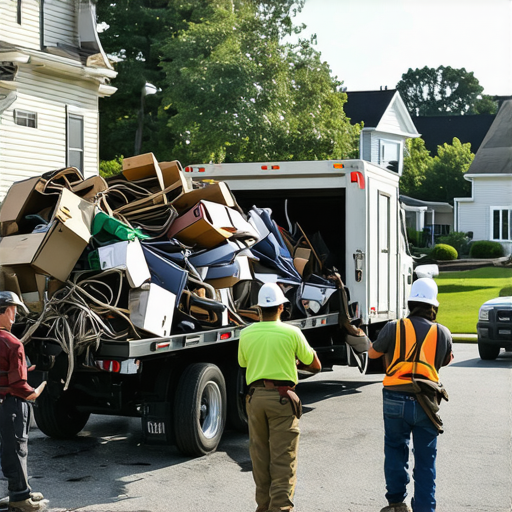
Why do professional services charge what they do? It comes down to the science of the load. A 20-yard dumpster rental in Aurora is not just a metal box. It is a lease on a specific piece of real estate on your driveway. When that dumpster is hauled away, the driver has to navigate the weight limits of local bridges and roads. If you fill a dumpster with heavy appliances or concrete, the truck may not even be able to lift it. Appliance removal requires specialized knowledge. You cannot just throw a refrigerator into the trash. Under Section 608 of the Clean Air Act, you must recover the refrigerants. These are potent greenhouse gases. If a ‘curbside cowboy’ takes your fridge and just cuts the lines to sell the copper, they are committing a federal offense. Professional Junk Removal Aurora services ensure that the Freon is captured and the metal is recycled properly. This is the difference between disposal and management. One is a crime; the other is a service. Furniture removal is similar. We have to break down the items to maximize space. We use a ‘Tetris’ method. We place the flat items along the walls of the truck and nestle the smaller items inside the voids. Wasted air space is lost profit.
| Disposal Method | Estimated Cost | Labor Required | Environmental Impact |
|---|---|---|---|
| Charity Donation | $0 | High (Must move to curb/dock) | Low (Full Reuse) |
| Professional Junk Removal | $150 – $600 | Zero (Full Service) | Moderate (Sorted/Recycled) |
| Dumpster Rental Aurora | $350 – $800 | High (You load it) | High (Mostly Landfill) |
| Illegal Dumping | $5,000+ Fine | High Risk | Disastrous |
The legal reality of dumpster rentals
Dumpster Rentals Aurora are governed by city ordinances. You cannot just drop a 30-yard roll-off on a public street without a permit from the Aurora Public Works Department. If you block a fire hydrant or a neighbor’s sightline, you will be fined. The logistical zooming here is intense. You have to consider the ‘swing radius’ of the delivery truck. A roll-off truck needs at least 60 feet of linear space to drop a container. It needs 22 feet of vertical clearance to raise the hoist. If you have low-hanging power lines or tree branches, you cannot have a dumpster. This is why many Aurora residents opt for a ‘live-load’ junk removal service instead. We pull up, we load the items, and we are gone in 30 minutes. No permits. No eyesores on the driveway. No neighbors throwing their trash into your rented bin overnight. Garage clean outs often require this speed. You start sorting on a Saturday morning, and by Saturday afternoon, you want the debris gone before the local raccoons decide to investigate the new piles.
Items your hauler cannot legally touch
- Lead-acid batteries (found in old lawnmowers or backup power systems)
- Propane tanks (even if they feel empty, they are a pressurized hazard)
- Wet paint and solvents (these must be dried with cat litter or sawdust first)
- Biohazardous waste (including medical sharps or heavily soiled mattresses)
- Tires (they ‘float’ to the top of landfills and trap methane gas)
- Asbestos-containing materials (common in old flooring or pipe insulation)
The ghost in the garage
There is a psychological weight to an old couch. It represents a version of your life that no longer exists. But as a logistics manager, I see it as a 3D obstacle. The narrow streets near the Aurora Reservoir or the tight cul-de-sacs in Seven Hills make large truck navigation a challenge. We have to plan our routes to avoid school bus schedules and peak traffic on Parker Road. Every minute we sit in traffic is a minute we aren’t at the scale. The ‘scale’ is the truth-teller of the industry. When we roll onto the plates at the transfer station, the weight is recorded. When we roll off after dumping, the difference is our cost. If we have a truck full of ‘light’ furniture, we make money. If we have a truck full of ‘heavy’ debris disguised as furniture, we lose. This is why we inspect every load. We aren’t just looking for quality. We are looking for density. A couch stuffed with old bricks or hidden weights is a common trick used by people trying to cheat the system. We don’t just lift. We inspect. Every. Single. Item. Your junk is your liability until it hits the scale. Make sure you choose a partner in Aurora who understands the physics, the law, and the environmental impact of that choice.