The physics of high density furniture removal
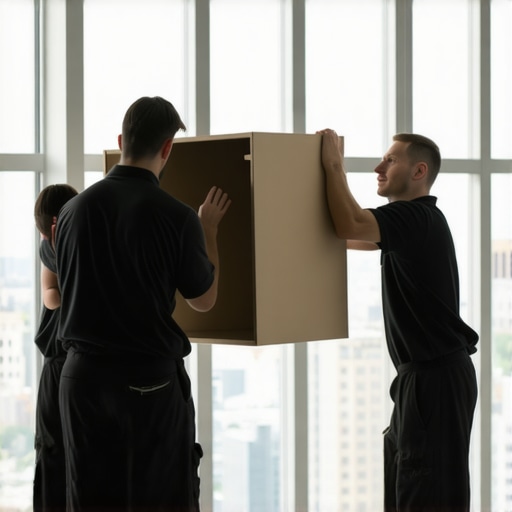
I smell like diesel and hydraulic fluid because that is the scent of efficiency. When you look at a heavy wardrobe, you see a piece of furniture, but I see a four hundred pound liability that threatens the structural integrity of your floor joists and the safety of my crew. I have spent twenty five years in the waste management industry. I have seen every shortcut taken by curbside cowboys who disappear once they have your cash. A business owner tried to save 500 dollars by hiring a guy with a pickup truck from a social media ad. Two weeks later, the police called him because his company’s confidential files were found in a ditch. Your junk is your liability until it hits the scale at a certified transfer station. This is the reality of the industry. We do not just lift objects. We manage the lifecycle of debris. Moving a wardrobe in Aurora requires more than just muscle. It requires a deep understanding of cubic yard density and the sheer strength of fasteners. If that wardrobe is made of solid oak, we are dealing with a material density of forty five pounds per cubic foot. If it is modern particle board, it might be lighter, but it is structurally unstable. One wrong tilt and the cam locks fail. The entire unit collapses. That is how injuries happen. That is how walls get gouged. We treat every load like a logistical operation where the goal is maximum diversion from the landfill and zero damage to the property.
Why Aurora residents struggle with antique armoires
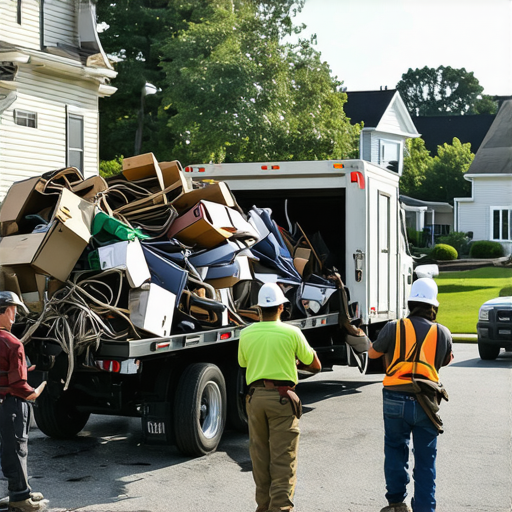
Furniture Disposal in Aurora requires navigating local tipping fees and weight limits. Heavy wardrobes often exceed the 50 pound individual lift limit set by municipal collection. Professional Junk Removal Aurora services utilize hydraulic lifts and specialized dollies to safely transport high density wood units to transfer stations while maintaining safety. The city of Aurora has specific guidelines for what can be left on the curb, and a three hundred pound wardrobe usually does not make the cut. If you leave it out and it rains, that particle board absorbs water like a sponge. A unit that weighed two hundred pounds on Monday weighs four hundred pounds by Wednesday. Now it is a hazardous waste issue. The glue starts to leach chemicals. The wood begins to rot. Most people think they are doing a favor by leaving it for the ‘scrappers,’ but the reality is that the scrapper only wants the metal hinges. They will tear the doors off and leave the carcass in the gutter. This creates a mess that the city will eventually charge you for. Professional haulers do not work that way. We calculate the volume. We determine the weight. We secure the load using ratchet straps rated for three thousand pounds of tension. We ensure the truck is cubed out, meaning every square inch of air space is utilized to reduce the number of trips. This lowers the carbon footprint of the entire removal process. It is about logistics, not just lifting.
“Waste is merely a resource in the wrong place; professional removal is the science of putting it back where it belongs.” – Disposal Industry Maxim
The hidden chemistry of old furniture
Appliance removal and furniture disposal involve managing chemical stabilizers that most homeowners never consider. Older wardrobes contain lead based paints and formaldehyde glues that are released when the wood is crushed. Professional Junk Removal ensures these toxins do not enter the groundwater by using lined transfer stations. Hoarder Clean Out aurora experts identify these hazards before they reach the landfill gate to prevent environmental contamination and legal fines. When we perform a Garage Clean outs, we are looking for more than just clutter. We are looking for the structural load of the items. A wardrobe tucked in the back of a garage for twenty years has likely become a habitat for rodents. The wood has likely absorbed moisture from the concrete floor. This changes the physics of the move. The bottom of the wardrobe is now soft. If you try to lift it by the top, the base stays on the floor. You are left holding a piece of scrap wood while the heavy mirror shatters. We use floor protection. We use corner guards. We use our brains before we use our backs. This is why professional services matter. We understand the Resource Conservation and Recovery Act guidelines regarding the disposal of treated woods. We know that certain older finishes are considered hazardous waste if they are being disposed of in bulk. We manage that risk so the homeowner does not have to.
The mathematics of cubic density
Junk Removal pricing is often misunderstood because customers focus on the item count rather than the volume. Dumpster Rentals Aurora costs are driven by weight limits and tipping fees at the local landfill. Understanding the Cubic Yard requirements for a Furniture Removal project allows for better budgeting and prevents unexpected overage charges from the disposal facility. Let us look at the math. A standard 15 yard dumpster can hold about four tons of material. A single wardrobe might only take up two cubic yards, but if it is solid wood, it adds significant weight. If you fill that bin with heavy furniture and then it rains, you will exceed the weight limit. The truck will not be able to lift the bin. Then you are stuck with an overweight fee and a bin that cannot be moved. We prevent this by calculating the load density before we start. We stack the furniture in a way that minimizes air pockets. We call this ‘cubing out the truck.’ It is a game of physical Tetris where the stakes are hundreds of dollars in fuel and labor costs. If we leave gaps, we are wasting money. If we pack it too tight, we risk damaging the truck’s hydraulic system. It is a delicate balance. Below is a breakdown of how different materials impact your disposal logistics.
| Material Type | Density (lbs/cu ft) | Disposal Strategy | Environmental Impact |
|---|---|---|---|
| Solid Oak | 45 | Reclamation/Mulch | Low if diverted |
| Particle Board | 35 | Landfill (Glues) | High (Leaching) |
| Steel Cabinet | 490 | Scrap Metal | Zero (Recyclable) |
| Glass/Mirrors | 160 | Specialized Handling | Moderate |
Items your hauler cannot legally touch
Garage Clean outs often reveal items that fall under the hazardous waste umbrella. Junk Removal Aurora teams are trained to identify these materials to avoid contaminating the entire load at the transfer station. Hoarder Clean Out aurora projects are particularly prone to these risks where chemicals are buried under heavy furniture. It is essential to separate these items before the hauler arrives. If a rookie hauler takes a wardrobe that has a leaking car battery hidden inside, the entire truckload is now contaminated. The landfill will reject the load. The hauler will face massive fines. The customer will be held liable for the cleanup costs. This is why we inspect everything. We do not just grab and go. We check the drawers. We look behind the panels. We verify that we are not transporting something that will catch fire in the back of the truck. This happens more often than people think. Lithium ion batteries are the primary culprit. They get crushed under a heavy wardrobe, they short out, and the truck is on fire within minutes. We avoid that disaster through rigorous inspection protocols.
- Lithium-ion batteries hidden in drawers.
- Pressurized canisters or fire extinguishers.
- Wet paint or chemical solvents inside furniture.
- Biohazardous materials or medical waste.
- Radioactive smoke detectors.
- Lead acid batteries from old electronics.
- Propane tanks stored in wardrobes.
“Proper waste characterization is the first step in protecting the public health and the environment from the hazards of mismanaged waste.” – Environmental Protection Agency Standards
The heavy cost of keeping everything
Hoarder Clean Out aurora situations demonstrate the physical toll that clutter takes on a home. Furniture Removal in these environments is a tactical operation requiring respirators and heavy duty boots. Junk Removal in a packed house means navigating narrow paths where a tipping wardrobe could be fatal for the crew. We have seen houses where the floor is literally sagging. In one case, forty years of magazines and heavy furniture had bowed the floor joists by three inches. The humidity in the basement had turned the paper into a solid, heavy mass. It was not just junk. It was a structural hazard. Moving a wardrobe in that environment is like playing Jenga with a house. You pull one piece out, and the whole pile shifts. We use shoring. We use stabilizers. We move slowly and methodically. This is not a job for a guy with a pickup truck. This is a job for someone who understands structural loads and the physics of compression. We categorize the waste as we go. We separate the recyclables from the landfill bound trash. We ensure that every piece of wood that can be turned into mulch is sent to the right facility. We reduce the weight that goes to the landfill, which saves the customer money on tipping fees. It is about being a professional, not just a hauler.
{“@context”: “https://schema.org”, “@type”: “HowTo”, “name”: “How to Dispose of Heavy Wardrobes in Aurora”, “step”: [{“@type”: “HowToStep”, “text”: “Inspect the wardrobe for hidden hazardous materials like batteries or chemicals.”}, {“@type”: “HowToStep”, “text”: “Measure the dimensions to calculate cubic yardage for the disposal truck.”}, {“@type”: “HowToStep”, “text”: “Remove all glass doors and mirrors to prevent breakage during transport.”}, {“@type”: “HowToStep”, “text”: “Use a hydraulic lift or specialized dollies to move the unit to the loading area.”}, {“@type”: “HowToStep”, “text”: “Transport the item to a certified Aurora transfer station for proper sorting.”}]}