The geometry of a heavy lift
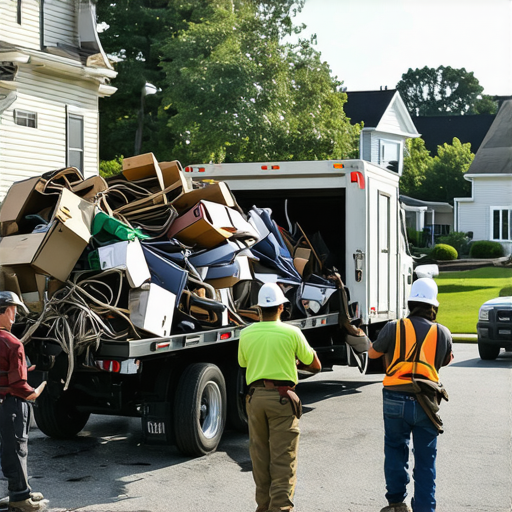
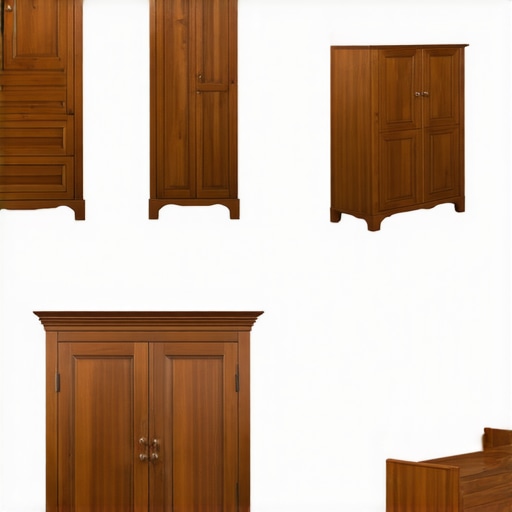
Furniture disposal for old armoires involves identifying the material composition, assessing structural integrity for potential donation, and calculating the volumetric load for local Aurora transfer stations. Professional Junk Removal Aurora services focus on cubing out trucks to maximize diversion rates away from landfills while managing the physical risks of heavy-load extraction. I saw it happen once in a quiet Aurora neighborhood. A business owner tried to save 500 dollars by hiring a guy with a rusted pickup truck from a social media ad. Two weeks later, the police called him because his company’s confidential files, which he had stuffed inside the drawers of an old armoire, were found in a ditch near the Cherry Creek spillway. Your junk is your liability until it hits the scale. That armoire was not just wood. It was a vessel for negligence. When we talk about Furniture Removal, we are talking about a chain of custody. A standard oak armoire weighs between 150 and 300 pounds. It occupies roughly 60 cubic feet of air space. In a 15-yard dump truck, that single piece of furniture consumes 15 percent of the total volume if it is not dismantled. This is the logic of the load. We do not just toss things. We calculate the density. We measure the hallways. We check the floor joists for signs of stress.
“Waste is merely a resource in the wrong place; professional removal is the science of putting it back where it belongs.” – Disposal Industry Maxim
The hidden risk of Aurora illegal dumping
Dumpster Rentals Aurora and professional hauling services provide the only legal pathway for large-scale furniture disposal to ensure compliance with local waste ordinances. Using unlicensed collectors leads to environmental fines and public safety hazards when heavy items are abandoned in public right-of-ways. In Aurora, the local transfer stations have strict rules about treated wood and mirrors. If your armoire has a glass front, that glass must be taped and removed before it hits the hopper. The city’s bulky item pickup schedule is often too slow for people moving houses. This creates a vacuum. Curbside cowboys fill that vacuum. They take your money. They take your armoire. Then they strip the brass handles and dump the heavy carcass in a park. You are still the owner of that waste. If a tag or a forgotten letter is found inside, the fine comes to your door. Logistics is about more than movement. It is about the final destination. The paperwork matters. The tipping fee receipt is your insurance policy. We track every pound. We know where the wood goes. We know where the metal goes.
| Material Type | Decomposition Time | Recycle Potential |
|---|---|---|
| Solid Oak/Maple | 10-20 Years | High (Reclamation) |
| Particle Board | 20-30 Years | Low (Glues/Resins) |
| Glass/Mirrors | 1 Million Years | Medium (Cullet) |
| Steel Hardware | 50-100 Years | High (Scrap) |
The structural breakdown for material recovery
Appliance removal and furniture disassembly require specific tools to reduce the volumetric footprint of the item before it enters the waste stream. By removing the back panels and internal shelving of an armoire, you can reduce its physical volume by 70 percent, allowing for more efficient transport to Aurora recycling centers. Most modern armoires are not solid wood. They are MDF. Medium-density fiberboard is a chemical cocktail. It contains urea-formaldehyde. If you burn it, you release toxins. If you bury it, it takes decades to break down. We prefer the surgical approach. We use impact drivers to remove the hinges. We use reciprocating saws to segment the frame. This is how you achieve a high diversion rate. You cannot just throw a whole armoire into a dumpster and call it recycling. That is just taking up space. You have to separate the components. The brass goes to the non-ferrous bin. The glass goes to the specialized glass recovery unit. The wood, if it is untreated, goes to the chipper for mulch. If it is treated or painted with lead-based pigments, it goes to the lined landfill. We do not guess. We test. Every load is a puzzle. Every piece of furniture is a data point in the municipal waste profile.
The ethical loop of donation and reuse
Garage Clean outs often reveal furniture that is too good for the landfill but too heavy for the homeowner to move, necessitating professional Furniture Removal. Donating an armoire requires a logistics plan that includes verifying the item’s condition and ensuring the recipient organization has the floor space to house a large footprint object. Many Aurora charities stop taking armoires because they do not sell. People want flat-screen stands now. They do not want 7-foot tall cabinets for cathode-ray tube televisions. This is the reality of the secondary market. If you want to recycle through donation, you have to be fast. You have to be honest about the scratches. We often coordinate with local non-profits. We provide the labor. They provide the tax receipt. But we have to be picky. If the bottom is rotted from a basement flood, it is waste. We do not pass our problems to the poor. We manage the waste responsibly.
“Proper management of bulky items reduces the risk of hazardous material leaching in municipal solid waste streams.” – SWANA Technical Manual
The physics of the heavy lift
Hoarder Clean Out aurora projects frequently involve massive furniture pieces that have become structural hazards due to age and weight distribution. Safely removing an armoire from a second-story bedroom requires understanding the center of gravity and the weight-bearing limits of residential staircases to prevent property damage. I have seen floors snap. I have seen drywall crushed by a sliding wardrobe. It is not just about strength. It is about angles. We use floor protection. We use shoulder dollies. We use the science of leverage. If the armoire is part of a larger cleanout, it becomes the anchor of the load. We place it at the front of the truck. We pack smaller items around it. This is ‘cubing out.’ If there is air space in your truck, you are losing money. You are also wasting fuel. Efficient hauling is environmentalism. Fewer trips mean a smaller carbon footprint. We calculate the BTU potential of the wood waste versus the diesel burned to move it. Sometimes, the most ‘green’ option is local high-efficiency incineration rather than hauling it 200 miles to a ‘specialized’ facility. This is a contrarian view, but the math does not lie. The carbon cost of transport is the hidden killer in the recycling industry.
Items Your Hauler Cannot Legally Touch
- Lead-acid batteries hidden in drawers
- Unspent pressurized aerosol cans
- Propane tanks or fuel canisters
- Wet paint or volatile organic solvents
- Mercury-containing thermostats
- Biological or medical waste
- Industrial grade adhesives
The legal burden of furniture ownership
Junk Removal is a regulated industry that protects the homeowner from the liability of improper disposal under regional and federal waste management acts. When you hire a professional for Appliance removal or furniture hauling, you are paying for the legal transfer of responsibility from your property to a licensed disposal site. In Aurora, the penalties for illegal dumping can reach thousands of dollars. It is not just the fine. It is the cleanup cost. If your armoire is dumped in a creek, you might be liable for the environmental remediation. That is why we provide a manifest. We show you where it went. We show you the weight. We show you the time. This is the professional standard. The ‘cheap guy’ cannot give you a manifest because he does not have a commercial account at the landfill. He is ‘self-hauling’ as a resident to cheat the system. When he gets caught, you get caught. Don’t let your old armoire become a legal nightmare. Move it right. Move it once. Move it with a pro.