The illegal dumping trap
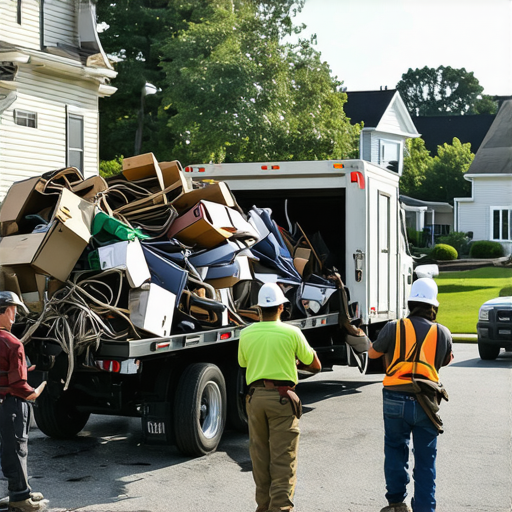
Professional junk removal in Aurora requires a chain of custody that protects the homeowner from legal liability and environmental fines. A local business owner once tried to save 500 dollars by hiring a guy with a pickup truck from a social media ad. Two weeks later, the police called him because his company confidential files and old desks were found in a ditch near the Fox River. Your junk is your liability until it hits the scale at a licensed transfer station. The diesel fumes from our trucks represent more than just transport. They represent the movement of waste from a private burden to a public regulated stream. We see this every day in the Fox Valley. People think they are getting a deal until the city code enforcement officer knocks on the door because their furniture was fly-tipped three blocks away. This is the reality of the industry. It is about logistics. It is about the law.
The physics of the fifteen yard truck
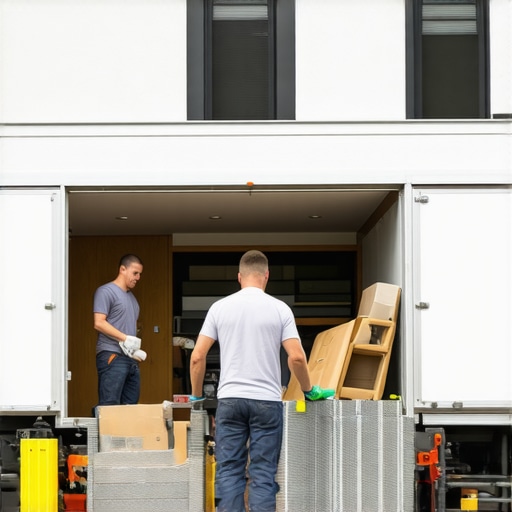
Maximizing truck capacity depends on understanding the volumetric density of debris and the structural limits of hydraulic lift systems. We do not just toss items into a bin. We use a method called cubing out. This is the science of the load. If we are dealing with furniture removal, we analyze the frame. A standard three seater sofa takes up roughly two cubic yards if placed flat. If we stand it on its end, we reduce the footprint. We then pack the voids with smaller items like lamps or boxed books. We avoid wasted air space. Wasted air is profit bleeding out of the tailpipe. A 15 yard dump truck has a specific weight limit. If we load too much heavy construction debris like concrete from a garage clean out, we hit the weight limit before the volume limit. This is called weighing out. It happens fast. A single cubic yard of wet concrete can weigh 4,000 pounds. That is two tons. The truck can handle it, but the Aurora roads have limits. We calculate the center of gravity to ensure the truck remains stable during transit to the landfill on Route 25.
“Waste is merely a resource in the wrong place; professional removal is the science of putting it back where it belongs.” – Disposal Industry Maxim
The heavy cost of keeping everything
Hoarder clean out services in Aurora focus on high density material recovery and the mitigation of structural load failures. I once cleared a house where the junk was not just stuff. It was a structural hazard. We found the floor joists were bowing under the weight of 40 years of newspapers that had absorbed ten years of basement humidity. Paper is heavy. When it gets damp, it becomes a solid mass of cellulose that weighs hundreds of pounds per square foot. The floor snapped. We had to shore up the basement before we could even start the removal. This is not just hauling. This is engineering. We use heavy duty dollies and specialized straps to move items without destroying the property. In Aurora, many older homes have narrow staircases. Moving a 300 pound oak dresser requires a specific pivot technique. We do not use the term pivot lightly. It is a mathematical necessity based on the radius of the hallway corner. If the math is wrong, the drywall is ruined.
The anatomy of a logistical operation
| Material Type | Weight per Cubic Yard (lbs) | Landfill Fee (Est) | Decomposition Rate |
|---|---|---|---|
| Loose Household Trash | 250 – 300 | $45 – $65 | 10 – 20 years |
| Construction Debris | 400 – 500 | $70 – $90 | 50+ years |
| Wet Yard Waste | 600 – 800 | $30 – $50 | 1 – 2 years |
| Demolition Concrete | 2000 – 2500 | $80 – $120 | Indefinite |
The ghost in the garage
Garage clean outs often reveal hidden hazardous materials that require specialized disposal protocols under RCRA guidelines. Most people forget what is in the back of the garage. They see a pile of boxes. We see potential hazmat. We look for old pesticides. We look for lead-acid batteries. We look for oil based paints. These cannot go into a standard dumpster rental in Aurora. If they do, the entire load is rejected at the transfer station. The tipping fees spike. We have to sort the load by hand. It is a mess. It is dangerous. A single gallon of old motor oil can contaminate a million gallons of groundwater if it leaks in a landfill. This is why we inspect every single item. We do not just lift. We verify. The smell of old gasoline is a warning sign. We handle it with care. We use secondary containment bins for liquids. We ensure that the hazardous waste goes to a specialized facility, not the local dump.
The toxic reality of appliance removal
Removing refrigerators and air conditioners requires the recovery of ozone depleting refrigerants as mandated by federal environmental law. You cannot just throw a fridge in a hole. The Freon must be recovered. We use vacuum pumps to extract the gas. This is a slow process. It is a necessary process. The metal is then crushed and recycled. Appliance removal is a game of components. A washing machine is mostly steel and a heavy concrete counterweight. We strip the motors for copper. We strip the wiring. We reduce the environmental footprint by maximizing the diversion rate. In Aurora, we aim for a 70 percent diversion rate. This means only 30 percent of what we haul actually ends up in the ground. The rest is reborn as new steel or plastic. This is the circular economy in action. It is not about being nice. It is about efficiency.
“Modern waste management is the first line of defense against the systemic collapse of urban hygiene and environmental safety.” – SWANA Technical Report
Items your hauler cannot legally touch
- Lead-acid batteries from cars or backup power systems.
- Wet paint cans that still contain liquid latex or oil based products.
- Pressurized propane tanks and fire extinguishers.
- Biohazardous medical waste including used needles or saturated bandages.
- Radioactive smoke detectors containing Americium-241.
- Industrial chemicals and solvents.
The contrarian truth about recycling
The carbon footprint of hauling low grade plastics long distances often exceeds the impact of local high efficiency waste to energy incineration. Everyone thinks recycling is a magic wand. It is not. If we haul a load of dirty plastic from Aurora to a processing plant 500 miles away, the diesel burned creates a massive carbon debt. Sometimes, the most logical path is waste to energy. We look at the BTU potential. Wood waste is great for this. We grind it down. It becomes fuel. It is better than letting it rot and release methane in a landfill. Methane is 25 times more potent than carbon dioxide as a greenhouse gas. We manage the gasses by managing the material. This is why we separate the load. The wood goes one way. The metal goes another. The trash goes to the scale.
Why your hauler must be local
Navigating the narrow residential streets near downtown Aurora requires intimate knowledge of local parking ordinances and weight restrictions. If you hire a national broker, they do not know about the bridge weight limits on the West Side. They do not know about the permit requirements for placing a dumpster rental on a public street in Aurora. We know. We live here. We know which alleys are too narrow for a 20 yard truck. We know that a live load is better than a dumpster in the tight neighborhoods near Phillips Park. A live load means we stay with the truck. We load it in 30 minutes. We leave. No permit needed. No blocked driveways. No complaints from the neighbors. It is a clean strike. It is fast furniture removal done with surgical precision. The truck idles. The crew works. The space clears. The client breathes. This is the job. This is the mission.“
Reading through this comprehensive overview of Aurora’s waste management logistics really highlights the importance of choosing a local hauler who understands the unique challenges of the area. I’ve had firsthand experience with garage cleanouts, and I can attest that spotting hazardous materials early — as you pointed out — can save a lot of trouble and cost. The detail about handling old motor oil or lead batteries is crucial because one overlooked item can cause a significant environmental cleanup. I wonder how many homeowners are aware of the proper protocols for disposing of unusual items like old paints or batteries. Do you have any tips for residents toprepare their stuff for safe and legal pickup? This post really drives home the point that waste management isn’t just about hauling trash; it’s about protecting our environment and staying within the law. It makes me think about the importance of education on these issues for the community. What are some common misconceptions people tend to have about junk removal services in Aurora?