The shadow economy of the Aurora curb
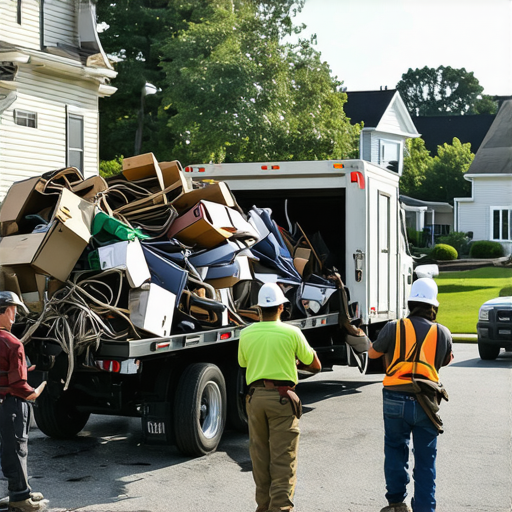
Eco-friendly waste disposal in Aurora requires a logistical understanding of lifecycle management and material diversion. Effective waste management in 2026 prioritizes the segregation of hazardous components from the general municipal stream. This process ensures that toxic elements do not infiltrate local groundwater or increase the methane output of regional landfills. I once watched a business owner try to save 500 dollars by hiring a guy with a pickup truck from a social media ad. Two weeks later, the police called him because his company’s confidential files and old lead-acid batteries were found in a ditch near the Cherry Creek spillway. Your junk is your legal liability until it hits the certified scale at a transfer station like the one on Tower Road. If the hauler you hire does not provide a disposal receipt, you are gambling with your reputation. The smell of diesel and hydraulic fluid is the scent of accountability. Every cubic yard of space in a 15-yard dump truck represents a calculation of density and weight. We look at a pile of debris and see a puzzle. We see the potential for a fire if a lithium-ion battery is crushed under the weight of an old sofa. We see the chemical leaching of refrigerants from an improperly handled appliance. This is not just hauling. This is the science of keeping Aurora clean through strict adherence to the Resource Conservation and Recovery Act guidelines.
The hidden geography of Aurora waste
Aurora waste management rests on a network of transfer stations and regional landfills that dictate the flow of discarded materials. Understanding the tipping fees and diversion protocols at facilities like the Denver Regional Landfill is essential for any professional junk removal Aurora operation. Local regulations mandate specific handling for electronic waste. The physics of the load matter. When we perform a garage clean out, we do not just toss items. We cube out the truck. This means filling every void to maximize efficiency. A poorly packed truck is a waste of fuel and a contributor to unnecessary carbon emissions. We look for the tetris fit. Wood goes with wood. Metal goes with metal. In 2026, the cost of landfilling has risen. The city has shifted toward high-efficiency waste-to-energy incineration for non-recyclables. This reduces the volume of waste by ninety percent. It also creates a byproduct of fly ash that must be managed.
“Waste is merely a resource in the wrong place; professional removal is the science of putting it back where it belongs.” – Disposal Industry Maxim
Furniture removal and the high cost of fast fashion
Furniture removal involves the complex disassembly of multi-material products to ensure high diversion rates. Modern furniture often contains medium-density fiberboard and polyurethane foams that require specialized disposal paths. Professional haulers identify materials that can be salvaged for wood waste recovery or textile recycling before reaching the landfill. The floor snapped. We were moving a 400-pound oak desk from a second-story home office in Aurora. The owner did not realize that the particle board furniture of today is not built for the weight of yesterday. We see this often. Cheap furniture is a disposal nightmare. It cannot be easily donated. It breaks during transport. It ends up as fluff in a landfill. When we handle furniture removal, we assess the structural integrity of the piece. We look for the stamp of the manufacturer. If it is solid wood, it goes to a recovery center. If it is treated with toxic fire retardants, it follows a different path. The logistical reality is that hauling air is expensive. We break down frames. We strip fabric. We ensure the load is dense and stable.
Appliance removal and the ozone depletion trap
Appliance removal requires strict compliance with EPA Section 608 regulations regarding the handling of refrigerants. Old refrigerators and air conditioning units contain hydrofluorocarbons that contribute significantly to atmospheric degradation if released. Certified professionals ensure these gases are recovered using specialized vacuum equipment before the metal shell is recycled. The cooling coils of an old freezer are a chemical map. If a hauler just tosses a fridge into a crusher, those chemicals vent. It is a federal crime. In Aurora, the local scrap yards will not even look at an appliance unless it has a certificate of evacuation. We inspect every unit. We check the compressor. We look for the year of manufacture. Modern units are better, but the older ones are heavy with steel and hazardous fluids. The weight of an old washing machine is not just in its drum. It is in the concrete counterweights used for stability. We account for every pound when calculating the load limit of our trucks. Overloading a vehicle leads to tire blowouts and hydraulic failure. It is a risk we never take.
Hoarder clean out Aurora and the structural load
A hoarder clean out Aurora project is a high-stakes logistical operation involving structural safety and biohazard mitigation. Excessive accumulation of materials like paper and textiles creates a massive floor load that can exceed the design limits of residential joists. Systematic removal prevents structural collapse and addresses the indoor air quality issues caused by dust and mold. The weight was staggering. I cleared a house where the junk was a structural hazard. We found the floor joists were bowing under forty years of newspapers. Those papers had absorbed ten years of basement humidity. They were no longer just paper. They were a solid, damp mass. We had to shore up the basement before we could even begin the removal. In these situations, we do not just haul. We conduct a structural autopsy. We look for signs of pest infestation. We look for hidden hazards like needles or chemicals. This is where the backdoor logistics of disposal become vital. We need a steady stream of dumpsters. We need a crew that understands PPE. The air in these homes is thick with particulates. We use industrial filtration to keep our team safe. [image_placeholder_1]
The heavy cost of keeping everything
The economic and environmental cost of clutter is measured in lost square footage and the degradation of building materials. Professional garage clean outs and attic clearances restore the functionality of a home while preventing the long-term decay of stored goods. Identifying items for immediate disposal versus those for donation is the key to sustainable living. Most people think recycling is always better. The reality is more complex. Sometimes the carbon footprint of hauling low-grade plastics 500 miles exceeds the impact of local waste-to-energy incineration. We tell our clients the truth. Not everything can be saved. A garage full of old paint and chemicals is a ticking time bomb. In Aurora, we utilize the local household hazardous waste programs. We do not let these items enter the general stream.
Logistics of dumpster rentals Aurora
Dumpster rentals Aurora services provide a stationary solution for long-term renovation projects and large-scale cleanouts. Selecting the correct size, whether a 10-yard or 40-yard container, prevents overage fees and ensures the safety of the delivery vehicle on residential driveways. Proper placement is required to avoid damage to underground utilities or local infrastructure. A 20-yard dumpster is a standard tool. But it has limits. You cannot fill it with concrete. It will be too heavy for the truck to lift. We see people try this. They fill a bin to the brim with dirt and rocks. The truck arrives. The hydraulics groan. The bin stays on the ground. This is a logistical failure. We educate our clients on weight limits. We explain the difference between volume and mass.
| Material Type | Disposal Path | Decomposition Time |
|---|---|---|
| Solid Wood | Reclamation/Mulch | 10-15 Years |
| Untreated Cardboard | Pulping/Recycling | 2 Months |
| Mixed Plastics | Waste-to-Energy | 450+ Years |
| Ferrous Metals | Smelting/Reuse | Indefinite |
| Organic Waste | Composting | 3-6 Months |
Items your hauler cannot legally touch
Federal and local laws prohibit the transport of certain hazardous materials in standard junk removal vehicles. These items require specialized containment and disposal routes through hazardous waste professionals. Identifying these materials early prevents delays and ensures the safety of the hauling crew.
- Lead-acid automotive batteries
- Propane tanks and pressurized cylinders
- Aerosol cans with residual product
- Industrial grade solvents and thinners
- Asbestos-containing insulation materials
- Biohazardous medical waste
- Fluorescent light ballasts containing PCBs
“Proper waste management is the first line of defense for public health and environmental integrity.” – Solid Waste Association of North America (SWANA)
The future of green living in Aurora
The evolution of waste management in 2026 is driven by technological integration and high-resolution sorting. Aurora residents who embrace proactive disposal methods contribute to a circular economy that minimizes raw material extraction. Professional junk removal services act as the gatekeepers of this system, ensuring every item reaches its optimal destination. We are the technicians of the discard. We do not just move stuff. We manage the tail end of the consumer cycle. When we pull away from a house in Aurora, the truck is balanced. The load is secure. The paperwork is ready for the scale. The floor is clear. The job is done.
I really appreciate how this post emphasizes the importance of proper disposal paths and the real risks involved in cutting corners. Having worked in environmental management, I’ve seen firsthand what happens when hazardous materials like refrigerants or batteries are mishandled — it’s not just about legal compliance but also about protecting our communities and waterways. The section on high-resolution sorting and technological integration in waste management is particularly exciting; it’s a game changer for cities like Aurora aiming for sustainability goals. One thing I wonder about is how Aurora’s waste facilities are adapting to these new high-efficiency incineration methods and whether there’s a push for even more advanced sorting to maximize recycling rates. Has anyone seen local developments or pilot programs that focus on community participation in waste segregation? It seems that the more we can educate residents about separating materials at source, the smoother the entire process becomes, reducing contamination and increasing diversion success.