The Science of Waste Diversion and Aurora’s Best Composting Sites
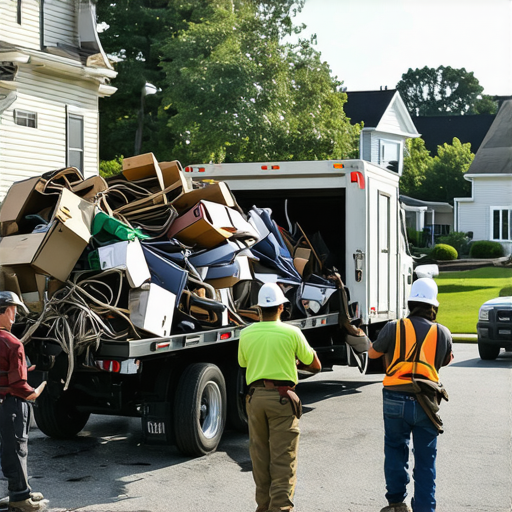
I watched a rookie almost lose his eyebrows because a customer hid a half-full propane tank inside a pile of harmless yard waste. We do not just lift. We inspect. Every. Single. Item. The smell of diesel and hydraulic fluid is my morning coffee. I have spent twenty five years calculating the exact density of debris to ensure every truck leaving Aurora is cubed out to maximum efficiency without blowing a tire on the E-470. Waste management is not about throwing things away because there is no such place as away. It is a logistical battle against entropy. Every sofa, every bag of grass clippings, and every broken refrigerator represents a specific chemical and physical challenge that requires a precise disposal vector.
The phantom methane in Aurora gardens
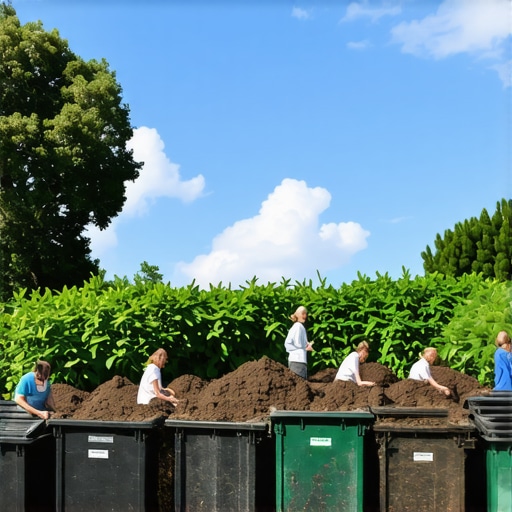
Aurora composting sites and organic waste diversion facilities like A-1 Organics manage the biological breakdown of nitrogen-rich materials. These sites utilize controlled aerobic decomposition to transform yard debris into high-value soil amendments. This process significantly reduces the production of methane gas, a potent greenhouse byproduct of anaerobic landfill conditions. When you think about junk removal Aurora services, the green waste component is the most recoverable asset in your garage or yard. I have seen the way a neglected pile of wet leaves can begin to self-combust due to microbial heat. In Aurora, the semi-arid climate means our composting piles require specific moisture monitoring to keep the bacteria alive. We are not just dumping dirt. We are farming microbes. The physics of a compost windrow requires a specific height to width ratio to maintain a core temperature of one hundred forty degrees Fahrenheit. This temperature is the kill zone for weed seeds and pathogens. If your hauler just tosses your yard waste into the general bin at the Aurora Transfer Station, they are wasting a biological engine. We track the diversion rates because every ton of compost diverted is a ton we do not have to pay for at the high-tonnage landfill scales. It is math. It is biology. It is the only way to keep the city clean.
“Waste is merely a resource in the wrong place; professional removal is the science of putting it back where it belongs.” – Disposal Industry Maxim
Why your old fridge is a chemical weapon
Appliance removal in Aurora involves the EPA-mandated recovery of refrigerants and the management of heavy metals found in electrical components. Modern junk removal requires a technician to identify chlorofluorocarbons and hydrochlorofluorocarbons before the unit is crushed. These gases have a global warming potential thousands of times higher than carbon dioxide. The heavy steel casing of a 1980s refrigerator is a recycler’s dream, but the insulation foam inside is often impregnated with blowing agents that are hazardous if shredded improperly. I remember a hoarder clean out aurora project where we pulled twelve deep freezers out of a single basement. The structural load of those units, combined with the spoiled organic matter inside, created a toxic soup that required Level B hazmat suits. You do not just throw a fridge in a dumpster. You evacuate the lines. You clip the compressor. You tag the unit for the scrap yard. The steel goes to the furnace. The copper coils are stripped for their high-value conductivity. The plastic liners, if they are not contaminated with food oils, can sometimes be pelletized. If you see a guy with a pickup truck offering cheap appliance removal, he is likely venting those gases into the Aurora sky to save ten dollars in disposal fees. That is a federal crime, and it is a moral failure. Your junk is your liability until the manifest is signed at a licensed facility.
The geometry of a hoarder clean out
Hoarder clean out Aurora operations are complex logistical maneuvers that require an understanding of structural load limits and cubic-yard density. When material is packed from floor to ceiling for decades, the bottom layers undergo physical compression, essentially becoming a single solid mass of cellulose and moisture. This increases the weight per cubic foot from a standard fifty pounds to nearly three hundred pounds. The floor joists in an average Aurora suburban home were never designed to hold forty thousand pounds of old National Geographic magazines. I have seen floors snap. I have seen stairs collapse under the weight of a crew trying to move a compressed mass of debris. We use the tetris method. We break the house into zones. We calculate the exit path. We prioritize high-density items like old newspapers and books first to relieve the structural stress on the building. Then we move to the high-volume, low-weight items like empty plastic containers. This is the only way to avoid a catastrophic structural failure during the removal process. Every load is a calculation of volume versus weight. If we hit our weight limit before the truck is full, we are losing money. If we fill the truck but are under weight, we are wasting fuel. The goal is the perfect balance of both.
| Material Type | Decomposition Time | Diversion Potential |
|---|---|---|
| Plastic Water Bottles | 450 Years | High (Pelletizing) |
| Aluminum Cans | 200 Years | 95% Efficiency |
| Organic Food Waste | 6 Months | 100% (Compost) |
| Glass Bottles | 1 Million Years | Infinite Recycling |
| Treated Lumber | 50 Years | Zero (Landfill only) |
Secrets of the fifteen yard dumpster
Dumpster rentals Aurora clients must understand the volumetric constraints and prohibited item regulations governing temporary roll-off containers. A fifteen-yard dumpster is not a bottomless pit; it is a steel box measuring roughly fifteen feet long by eight feet wide. If you exceed the top rail, the driver cannot legally transport the load due to Department of Transportation safety regulations. Objects flying off a truck on I-225 can kill people. We see it every year. People try to hide tires or paint cans at the bottom of the bin. The scale house at the landfill sees everything. They have thermal cameras and load inspectors who will fine you five hundred dollars for a single lead-acid battery hidden in a pile of drywall. While most people think recycling is always better, the carbon footprint of hauling low-grade plastics five hundred miles often exceeds the impact of local, high-efficiency waste-to-energy incineration. We have to be honest about the lifecycle of our trash. If the market for mixed paper collapses, that paper is better off as a localized fuel source than sitting in a shipping container in a harbor for six months. In Aurora, we have to deal with high winds. A dumpster that is not tarped properly becomes a litter machine. The physics of wind lift can pull a sheet of plywood right out of a bin if it is placed on top. Always put the heavy stuff on top of the light stuff. That is Logistics 101.
- Tires (Require specialized shredding)
- Lead-Acid Batteries (Acid leakage risk)
- Propane Tanks (Explosion hazard in compactor)
- Wet Paint (Leaches into groundwater)
- Fluorescent Bulbs (Mercury vapor content)
- Asbestos Materials (Inhalation hazard)
The heavy cost of furniture removal
Furniture removal in the modern era is a battle against disposable manufacturing and the low-grade materials used in fast-fashion home decor. Old growth oak furniture from the 1940s is a heavy, solid asset that can be refinished or repurposed. Modern particle board furniture is held together by formaldehyde resins and glue. Once it gets damp in an Aurora basement, the structural integrity vanishes. It becomes a soggy, toxic mess that cannot be recycled and has zero resale value. We call it junk because that is what it is. The BTU potential of burning this furniture is low because of the chemical flame retardants used in the foam cushions. These chemicals, like polybrominated diphenyl ethers, are a nightmare for the environment. When we take a sofa to a processing center, we are looking to strip the metal springs and the wooden frame. The rest is just filler. I hate the way modern furniture breaks. It is designed to be thrown away. It is an insult to the logistics chain. We spend more in diesel hauling a broken pressboard desk than the desk was ever worth. The real cost of cheap furniture is the disposal fee you pay five years later. We charge by the volume because that desk takes up the same space as a solid mahogany table, but only one of those belongs in a landfill.
“The Resource Conservation and Recovery Act defines the framework for the management of non-hazardous and hazardous solid waste.” – Environmental Protection Agency
The hidden cost of illegal dumping in Cherry Creek
Illegal dumping in Aurora damages local ecosystems and increases municipal taxes due to the high cost of specialized cleanup operations. A business owner tried to save five hundred dollars by hiring a guy with a pickup truck from a social media ad. Two weeks later, the police called him because his company’s confidential files were found in a ditch near Cherry Creek. Your junk is your liability until it hits the scale. When people dump tires or oil in our open spaces, it leaches into the water table. Aurora depends on a clean watershed. The chemicals in a single gallon of used motor oil can contaminate a million gallons of fresh water. We have a network of legal transfer stations for a reason. Use them. The fines for illegal dumping in Colorado are steep, and the environmental damage is often permanent. We see the impact on the wildlife. We see the way it clogs the drainage systems during the spring melt. Professional junk removal is not just a convenience. It is a civic duty. When we pull up to a site, we are thinking about the final destination of every piece of metal and plastic. We are the gatekeepers of the landfill. If we do our job right, the landfill grows slower. If we do it wrong, we are just part of the problem. The floor snapped on that hoarder job because they ignored the weight. Don’t ignore the weight of your choices. Hire a professional. Do it right. Keep Aurora clean.