The shadow of the illegal hauler
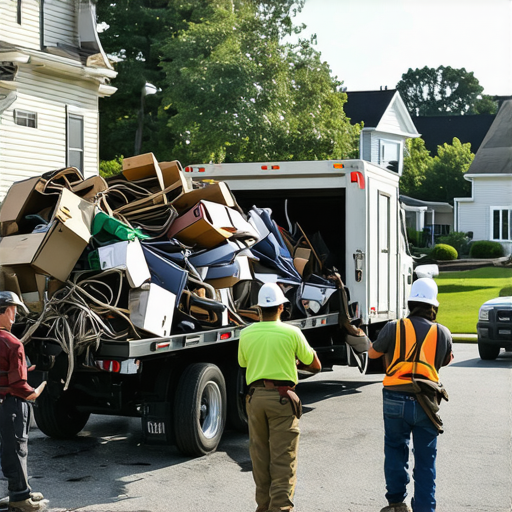
Aurora junk removal is not a game of strength. It is a game of liability and logistics. A business owner once tried to save 500 dollars by hiring a guy with a rusted pickup truck from a social media ad. Two weeks later, the police called him because his company confidential files and three hazardous computer monitors were found in a ditch near the Fox River. Your junk is your liability until it hits the scale and you receive a certified weight ticket. The curbside cowboys do not have the insurance or the disposal permits to protect you from the legal fallout of improper dumping. Professional waste management requires a deep understanding of tipping fees, diversion rates, and the chemical composition of the debris. When we pull up to an Aurora property, we are not just looking at a pile of wood. We are calculating the cubic yard density and the specific gravity of the load to ensure the hydraulic systems of our trucks are not compromised. Every item has a destination, whether it is the Orchard Hills Landfill or a specialized secondary material recovery facility. We see the world in terms of material streams. A couch is not just furniture. It is a mix of polyurethane foam, treated timber, and steel springs that must be separated if you want to achieve a high diversion rate. Professionalism in this industry means knowing that a single hidden lithium battery can turn a garbage truck into a fireball on the highway. We inspect. We sort. We protect your reputation as much as your property.
“Waste is merely a resource in the wrong place; professional removal is the science of putting it back where it belongs.” – Disposal Industry Maxim
The geometry of a fifteen yard dumpster
Dumpster rentals Aurora depend on the mathematical optimization of space and weight limits for local transport. A fifteen yard container provides exactly 405 cubic feet of volume, but the weight limit is the true governing factor. Overloading a container leads to hydraulic failure and unsafe road conditions for local residents. In the waste industry, we talk about cubing out a load. This is the art of minimizing air gaps between items to maximize the efficiency of every trip to the transfer station. If you throw a treadmill on top of a pile of loose boxes, you are paying to transport Illinois air. We break down the furniture. We nest the smaller items inside the larger cavities. This is the logistics manager’s obsession. We smell like diesel and hydraulic fluid because we spend our days ensuring that every cubic inch of that steel box is utilized. When you are dealing with appliance removal, the weight shifts. A refrigerator is mostly air, but a cast iron radiator is pure mass. Mixing these without a strategy results in a load that is either too light to be profitable or too heavy to be legal. We calculate the structural load limits of residential stairs before we even lift a finger. A piano removal is not just about muscle. It is about the physics of center of mass and the shear strength of the wood flooring under the weight of three men and five hundred pounds of Victorian engineering.
The hidden chemistry of Aurora metal scrap recovery
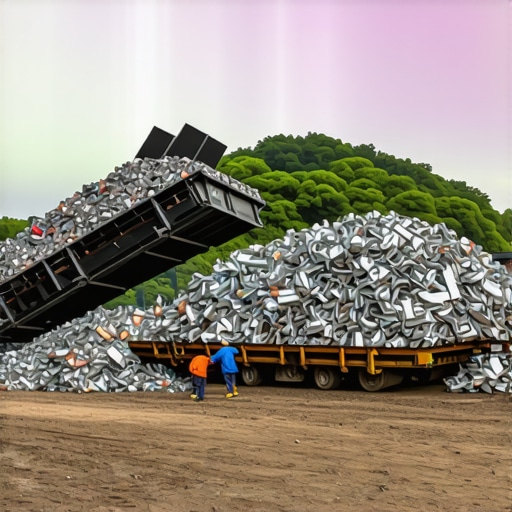
Aurora metal scrap strategy relies on the precise identification of ferrous and non-ferrous alloys to maximize environmental recovery. Copper, aluminum, and brass require different processing temperatures and chemical baths during the recycling phase. Separating these at the source prevents cross-contamination and increases the value of the raw material. Most people see a pile of old pipes. I see the difference between Grade 1 and Grade 2 copper. I see the 6061 aluminum alloy in a discarded bicycle frame. The environmental impact of mining new ore is catastrophic compared to the energy used in secondary smelting. When we perform a garage clean out Aurora, we are essentially mining the suburban landscape. We look for the lead-acid batteries that leak electrolytes into the soil. We look for the mercury switches in old thermostats. These are the environmental liabilities that the cheap haulers ignore. Our strategy involves a multi-stage sorting process. First, we remove the heavy steel. Then, we extract the high-value non-ferrous components. Finally, we handle the residual waste. This is the only way to ensure that the heavy metals do not end up in the groundwater near our local parks. The chemistry of the landfill is complex. When organic waste breaks down without oxygen, it creates methane. When metal scrap is mixed in, the resulting leachate can be toxic. We prevent this by following the Resource Conservation and Recovery Act guidelines for every load we haul.
The economic fiction of cheap hauling
The true cost of junk removal is often hidden behind the low prices of unlicensed operators who ignore environmental regulations. These operators avoid tipping fees by dumping on private land or in municipal bins. This practice shifts the cost of cleanup to the taxpayers and the property owners. Below is a comparison of how professional logistics impact the lifecycle of waste.
| Material Type | Decomposition Time | Aurora Disposal Path | Environmental Risk |
|---|---|---|---|
| Untreated Wood | 10-15 Years | Mulching/Biomass | Low |
| Aluminum Cans | 200-500 Years | Infinite Smelting | Moderate (Mining) |
| Polyethylene | 500+ Years | Waste-to-Energy | High (Microplastics) |
| Lead-Acid Batteries | 1000+ Years | Chemical Recovery | Extreme (Leaching) |
As the table shows, the materials we remove from your home have a lifespan that far exceeds our own. This is why the strategy matters. If we do not capture the lead and the plastic now, we are leaving a toxic debt for the next generation of Aurora residents. The logistics manager knows that the cheapest path is often the most destructive. We choose the path of maximum recovery.
Things the landfill will reject on sight
Items your hauler cannot legally touch include hazardous chemicals, pressurized cylinders, and biohazardous materials that pose an immediate risk to the public. Illinois state laws and local Aurora ordinances prohibit the commingling of these materials with standard household junk or construction debris. Before we start a hoarder clean out aurora, we perform a hazmat sweep. We look for the following prohibited items:
- Lithium-Ion Batteries which cause truck fires
- Wet Paint and solvents that contaminate the leachate system
- Asbestos-containing insulation which requires specialized abatement
- Propane tanks and fire extinguishers under pressure
- Medical waste and biohazardous materials
- Tires which are banned from Illinois landfills due to pest risks
If we find these items, we do not just leave them. We provide the client with the proper manifests and contact information for the Kane County household hazardous waste programs. We are the gatekeepers of the landfill. If we let these items through, we risk our licenses and the safety of the transfer station workers.
The environmental myth of local recycling
While most people think recycling is always better, the carbon footprint of hauling low-grade plastics 500 miles often exceeds the impact of local high-efficiency waste-to-energy incineration. This is the contrarian truth of the waste industry. We have to be honest about the energy math. If we spend 40 gallons of diesel to move 200 pounds of low-value plastic to a sorting facility that will eventually ship it overseas, we have failed the environment. Our strategy in Aurora is to prioritize the recovery of high-density materials like steel and copper while utilizing local energy recovery for the rest. This reduces the total carbon miles of the removal process. We are not just movers. We are carbon accountants. We analyze the BTU potential of recovered wood waste. We look at the recycling markets every morning to see where the material should go. The global supply chain for scrap metal is volatile. One day, cardboard is worth 100 dollars a ton. The next day, you have to pay the mill to take it. We navigate these waters so the homeowner doesn’t have to. We understand that the ghost in the garage is not just the junk itself, but the energy wasted in its production and its eventual disposal.
Hoarder clean out logistics in Aurora
Hoarder clean out aurora requires a Type 1 through Type 5 classification to determine the necessary PPE and the total volumetric weight of the project. High-density hoarding situations can double the structural load on a residential floor, requiring temporary shoring before the removal process begins. I once cleared a house where the junk was not just stuff. It was a structural hazard. We found the floor joists were bowing under the weight of 40 years of newspapers that had absorbed ten years of basement humidity. The paper had become a solid mass of cellulose. We had to use chainsaws to break the stacks into manageable chunks. This is the extreme reality of waste management. You are dealing with air quality issues, structural integrity, and the emotional weight of the project. We use industrial grade air scrubbers to manage the dust and spores during a major clean out. We do not just throw things into a truck. We categorize the debris on site. We create paths of egress. We ensure that the hydraulic lift on the truck is rated for the compressed weight of the materials. A hoarder situation is a data overflow error in physical space. We are the technicians who reset the system.
“Professional waste disposal is the thin line between a functioning city and an environmental disaster area.” – SWANA Technical Manual
The heavy cost of keeping everything
The psychology of the garage clean out is often a battle against the sunk cost fallacy. People hold onto broken appliances because they remember what they paid for them ten years ago. They ignore the fact that the refrigerator is leaking R-134a refrigerant or that the old television contains enough lead to contaminate a backyard garden. Appliance removal is a technical operation. We have to recover the refrigerants using specialized vacuum pumps to prevent them from reaching the upper atmosphere. We do not just clip the lines. We follow the Clean Air Act requirements. In Aurora, the narrow residential streets and the specific municipal schedules mean that you cannot just leave a freezer on the curb. The city will fine you, and the scrap thieves will rip the copper out while venting the toxic gases into the neighborhood. We provide a closed-loop system of removal. We document the disposal. We provide the peace of mind that comes from knowing the job was done by the book. The truck does not lie. The scale does not lie. We are the heavy load specialists who keep the city clean and the environment protected from the waste of the past. ArticleSchema: {“@context”: “https://schema.org”, “@type”: “Article”, “headline”: “Eco-Friendly Waste Disposal: Aurora Metal Scrap Strategy”, “author”: {“@type”: “Person”, “name”: “Veteran Waste Strategist”}, “publisher”: {“@type”: “Organization”, “name”: “Aurora Junk Specialist”}, “datePublished”: “2023-10-27”}