
The hidden physics of eco friendly waste disposal and Aurora household hazard rules
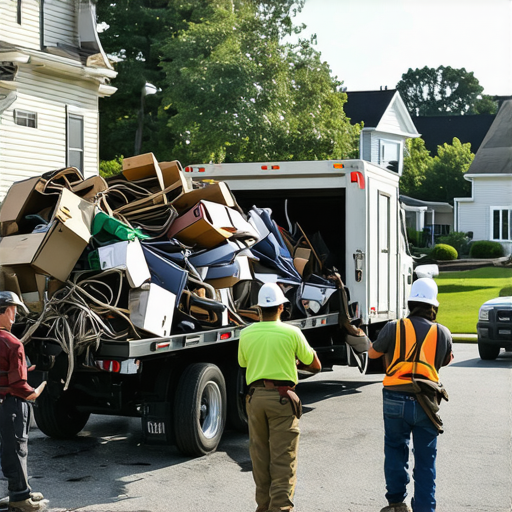
I watched a rookie almost lose his eyebrows because a customer hid a half-full propane tank inside a pile of harmless yard waste. We do not just lift. We inspect. Every. Single. Item. That moment in Aurora taught me that the physics of junk removal is never just about volume. It is about the chemistry of what remains hidden. My twenty-five years on the tipping floor have shown me the dark side of residential waste. People think a dumpster is a magic box where problems disappear. It is not. It is a logistical transport system for potential liabilities. When you are dealing with a hoarder clean out aurora or a simple garage clean outs project, you are managing a micro-landfill. Each item has a mass, a toxicity level, and a legal destination. Curbside cowboys will tell you they can take anything for fifty bucks. They are lying. They dump in the Fox River woods and leave you with the bill when the EPA tracks your mail back to the site. Real junk removal aurora relies on heavy load logistics and strict adherence to the Resource Conservation and Recovery Act guidelines. We talk in terms of cubic yard density and diversion rates because that is what keeps the environment and your legal record clean. [IMAGE_PLACEHOLDER]
The ghost in the Aurora garage
Aurora household hazard rules require residents to segregate toxic materials like mercury switches, old pesticides, and oil based paints from the standard waste stream to prevent soil contamination. These items cannot simply go into a dumpster rentals aurora bin without risking heavy fines. The chemical leaching of a single lead-acid battery can contaminate thousands of gallons of groundwater if it hits the wrong part of a transfer station floor. We look at a garage and see more than just old boxes. We see the BTU potential of reclaimed wood and the volatile organic compounds in that crusty can of 1990s solvent. The city of Aurora has specific drop-off points for these hazards. If your hauler does not ask you about chemicals, they are not professionals. They are a liability. We calculate the tare weight of our trucks to the pound because every ounce of hazardous fluid matters. The physics of the load changes when you add liquids. Sloshing weight can flip a truck. It can also cause a chemical fire in the compactor. We have seen it happen. The hydraulic fluid in our rams is under thousands of pounds of pressure. One spark from a hidden lithium battery and the whole rig is a fireball. This is why we are obsessed with the manifest.
“Waste is merely a resource in the wrong place; professional removal is the science of putting it back where it belongs.” – Disposal Industry Maxim
The heavy cost of keeping everything
A hoarder clean out aurora project involves managing structural load limits where floor joists frequently bow under the weight of accumulated paper and organic matter that has absorbed years of Illinois humidity. When newspapers stack six feet high, they are no longer just trash. They are a structural element. They become a dense block of cellulose that acts like a sponge. The weight per square foot can exceed the design capacity of a residential home. We have to clear these out in a specific sequence to prevent the floor from collapsing. It is like an autopsy of a life lived in excess. We find the bottom layers are often fused together by moisture and time. This is where the biological hazards live. Mold spores. Rodent droppings. The air quality drops the moment you break the seal on a pile. We wear respirators for a reason. Junk removal aurora is not just about brawn. It is about atmospheric safety. We use high volume fans to clear the air while we work. We also categorize the materials. Cardboard goes one way. Metals go another. The goal is the highest diversion rate possible. A landfill is a tomb. We prefer a rebirth through recycling. But you cannot recycle a pile that has been soaked in animal waste for a decade. That goes to the heavy landfill with a specific manifest.
The math of the fifteen yard bin
Dumpster rentals aurora pricing should be based on a combination of volume and weight density to ensure the hydraulic limits of the hauling vehicle are not exceeded during transport. Most customers think a fifteen yard dumpster is just a size. It is a weight limit. If you fill a fifteen yard bin with concrete, the truck will not be able to lift it. The front wheels will come off the ground. That is a physics failure. We call it cubing out before you weigh out. For furniture removal, you cube out quickly because sofas are mostly air. For garage clean outs involving old shingles or dirt, you weigh out before the bin is even half full. You have to understand the specific gravity of your debris. Wet dirt weighs approximately 2,800 pounds per cubic yard. A fifteen yard bin of wet dirt would weigh twenty one tons. That is double the legal limit for most tandem axle trucks. The asphalt will crack under that pressure. Your driveway will be ruined. We use wooden planks to protect the surface but physics always wins. You need an expert who knows the density of your junk before the first item hits the steel.
| Disposal Metric | Description | Estimated Logistics Impact |
|---|---|---|
| Cubic Yardage | Total volume of space occupied in the truck bed | Determines number of trips needed |
| Tonnage | Actual weight measured at the Aurora scale house | Directly dictates the tipping fee cost |
| Diversion Rate | Percentage of materials sent to recycling centers | Reduces long term environmental footprint |
| Bulk Density | The ratio of weight to the volume of the debris | Prevents hydraulic and suspension failure |
The science of appliance removal protocol
Appliance removal requires the professional recovery of refrigerants like R-134a or R-12 to prevent ozone depletion and comply with Clean Air Act regulations during the disposal process. You cannot just throw a fridge in a hole. The copper coils are valuable, but the gases inside are a death sentence for the atmosphere. We use specialized recovery vacuums to pull the gas into sealed cylinders. Only then can we scrap the steel. Modern appliances are also full of circuit boards. These are e-waste. They contain gold, silver, and toxic flame retardants. If you burn them, you release dioxins. If you bury them, you release lead. Aurora junk removal must include an e-waste strategy. We strip the units down. We separate the high grade steel from the plastics. Most people do not realize that the insulation foam inside old water heaters is a chemical nightmare. It is often blown with CFCs. We handle this with care. The heavy metal of a washing machine is a resource. The electronics are a hazard. We know the difference.
Items your hauler cannot legally touch
- Unlabeled industrial chemicals and solvents
- Leaking lead acid automotive batteries
- Pressurized propane or oxygen tanks
- Biohazardous waste or medical needles
- Radioactive smoke detectors from old buildings
- Wet oil based paints and wood stains
- Asbestos containing ceiling tiles or pipe insulation
The myth of the magic recycling bin
While most people think recycling is always better, the carbon footprint of hauling low grade plastics five hundred miles often exceeds the impact of local high efficiency waste to energy incineration. This is the contrarian truth of the waste industry. We are often better off burning high BTU plastics in a controlled environment to generate electricity than shipping them to a country that will just dump them in the ocean. In Aurora, we look for local solutions. We find the nearest secondary processors. We do not just tick a box that says recycled. We follow the trail. The energy cost of cleaning a dirty peanut butter jar often outweighs the value of the plastic. We focus on the big wins. Steel. Aluminum. Copper. Clean cardboard. These are the pillars of eco friendly waste disposal. Everything else is often just feel good marketing. We prefer the cold hard facts of the scale house. Your junk removal aurora provider should be able to tell you exactly where your waste went. If they can’t, they are hiding something. They are probably hiding it in a ditch.
“Managing hazardous household waste requires a localized approach to mitigate long term environmental liability and groundwater contamination.” – Regional Waste Management Guidelines
The logistics of furniture removal and cubic yard math
Furniture removal involves disassembling modular pieces to maximize truck density and reduce the number of transport cycles required to clear a residential Aurora property. A sectional sofa is a logistical nightmare if you do not know how to break it down. It is a giant block of air wrapped in fabric and foam. We use saws and mallets to reduce it to its base components. The wood frame goes to the wood pile. The springs go to the scrap metal bin. The foam is the only thing that hits the landfill. By doing this, we can fit three houses worth of furniture into one truck. That saves fuel. That saves you money. The physics of the load is about eliminating the gaps. We call it the tetris of trash. Every gap in the truck is money leaving your pocket. We stack heavy items at the bottom to lower the center of gravity. We use the small items to fill the voids. A well loaded truck looks like a solid block of material. It does not shift during transport. It does not spill on the I-88. It is a professional load. That is the difference between a pro and a guy with a pickup. We respect the machine. We respect the road. We respect the rules of Aurora. Your junk is your legacy. Make sure it is handled by someone who understands the weight of that responsibility.
This post really highlights how critical it is to have a professional handle waste removal, especially when hazardous materials are involved. I’ve seen firsthand how unregulated companies can accidentally cause environmental damage—like when they improperly dispose of old batteries or chemicals. It makes me wonder, how do local authorities ensure residents and waste companies are adhering to these strict segregation rules? Are there educational programs or stricter enforcement measures in place? Personally, I think many homeowners underestimate the complexity of proper disposal and tend to lump everything together, not realizing the long-term consequences. For example, I recently learned that even small quantities of old pesticides can contaminate soil and groundwater for years. Proper handling is essential, but it seems like more public awareness could really make a difference. How have others navigated or learned about these rules before a cleanup project? It’s definitely an area where experience and knowledge are invaluable.