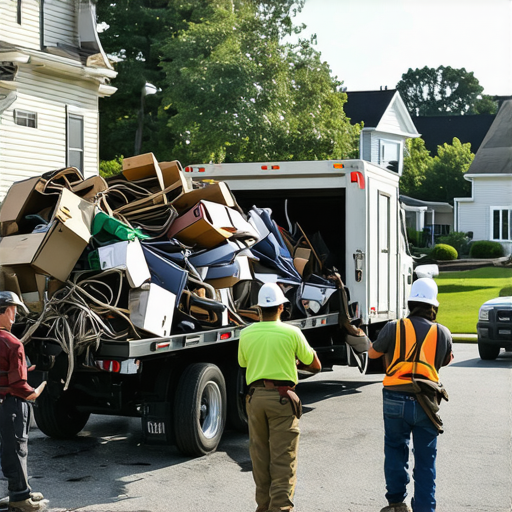

Experience is a brutal teacher in the waste management sector. Most people see a steel box and a pile of trash. I see a payload of potential kinetic energy that can transform into a legal nightmare. The math of the haul is unforgiving. Every cubic yard of space in a dumpster serves a specific structural purpose. When you ignore the fill line on a dumpster rentals Aurora unit, you are not just being efficient. You are creating a hazard that endangers the driver and the public. A business owner tried to save 500 dollars by hiring a guy with a pickup truck from a social media ad. Two weeks later, the police called him because his company’s confidential files were found in a ditch. Your junk is your liability until it hits the scale. This reality dictates every decision we make in the field. This guide focuses on the cold, hard physics of loading a container within the limits of the law and safety.
The invisible line that stops the truck
Load height limits are the non-negotiable boundaries of the waste industry. In Aurora, the wind coming off the plains can reach speeds that turn a loose piece of plywood into a projectile. If a container is filled past the rim, the tarping system cannot create a vacuum seal. This is a violation of Department of Transportation regulations. The driver will refuse to pick up the load. This leads to a dry run fee. The logistics of the haul are predicated on the ability to transport the material at highway speeds without shedding debris. Most containers have a clearly marked fill line. This line exists to allow the hydraulic arms of the tarp system to descend and lock. Without that lock, the load is unsecured. The physics are simple. A heavy load creates high pressure. High pressure seeks the path of least resistance. Usually, that path is over the side of the dumpster and onto the asphalt of I-225.
“Proper containerization is the first line of defense in the management of municipal solid waste to prevent environmental migration of toxins.” – EPA Management Handbook
The math of the 15-yard void
Tetris is a game of space. Junk removal is a game of density. When conducting garage clean outs, the temptation is to throw everything in as it comes. This is a tactical error. Large furniture removal requires a strategy of dismantling. If you put a sofa in a dumpster intact, you are paying to haul Aurora air. We call this cubing out before you weigh out. The goal is to maximize every square inch. Flat items like drywall and lumber must go at the bottom. This creates a stable foundation. Appliances go next. Appliance removal is its own science. You must account for the weight of the compressor and the fragility of the coils. If a refrigerator is crushed at the bottom, it can leak oils that contaminate the entire load. In Aurora, we have strict rules about hazardous materials. A contaminated load means the entire dumpster is rejected at the transfer station. This results in heavy fines and remediation costs. The floor snapped. The winch stalled. This happened because a client hid 2000 pounds of wet sod under a thin layer of old clothes. Do not lie to the scale.
Why heavy debris demands a different container
Weight limits are not the same as volume limits. A 20-yard dumpster can hold 20 cubic yards of feathers, but it cannot hold 20 cubic yards of concrete. This is a common point of friction for hoarder clean out aurora projects. Over forty years, a basement can accumulate a density that exceeds the structural limits of the haul truck. Concrete, dirt, and brick are the heavy hitters. These materials must only be loaded in 10-yard or 15-yard low-boy containers. Filling a 30-yard bin with dirt will make it impossible for the truck to lift. The hydraulic pressure required to pull a 20-ton dumpster onto a roll-off rail is immense. If the load is over the weight limit, the truck might tip or the cable might snap. This is why we demand a level load. A level load is easier to tarp and safer to transport. It also ensures that the weight is distributed across the axles of the truck evenly. In the waste world, balance is survival.
| Dumpster Size | Ideal Material Type | Maximum Height Limit | Typical Weight Limit |
|---|---|---|---|
| 10 Cubic Yards | Concrete, Dirt, Tile | Side Wall Height | 10,000 lbs |
| 15 Cubic Yards | Heavy Remodeling Debris | Fill Line Only | 6,000 lbs |
| 20 Cubic Yards | Furniture Removal, Garage Trash | Rim Level | 5,000 lbs |
| 30 Cubic Yards | Hoarder Clean Outs, Large Trees | Tarping Clearance | 8,000 lbs |
Hazardous secrets in the pile
There are things we simply cannot touch. Every junk removal aurora professional has a list of forbidden items. These are not arbitrary. They are governed by the Resource Conservation and Recovery Act. When you hide a lithium battery in a pile of paper, you are creating a fire bomb. These batteries can ignite under the pressure of the truck’s compactor or during the shifting of the load. In Aurora, we see a lot of old paint cans and motor oil in garage clean outs. These liquids leach through the dumpster and onto your driveway. This causes permanent staining and environmental damage. We provide a specific checklist for our clients. If we find these items during the load, we will stop the job. Safety is more important than the schedule. Professional removal is the science of putting things where they belong. We do not just move trash. We manage risk.
- Lithium-ion batteries and lead-acid batteries.
- Wet paint, thinners, and chemical solvents.
- Propane tanks and pressurized cylinders.
- Asbestos-containing materials from old siding.
- Tires and mattresses (require special handling fees).
- Refrigerants like Freon in old air conditioners.
The structural stress of a garage cleanout
Garages are the lungs of the home. They breathe in junk and rarely exhale. When you start a garage cleanout, the volume of material is often three times what it appears to be. This is due to vertical stacking. Once you pull that shelf down, the footprint of the trash expands. You must plan for the expansion. This is where most Aurora residents fail. They rent a dumpster that is too small. Then they try to compensate by stacking the material high. This is the peak load error. A peaked load is a hazard. It shifts during the first turn the truck makes. We require all loads to be water-level. This means nothing sticks up above the top rail. If you have large items like branch piles or old rafters, they must be cut down. The extra ten minutes you spend with a saw can save you a 150 dollar overflow fee. The logistics of the haul are fixed. The laws of physics are permanent. Respect the rim.
“Waste is merely a resource in the wrong place; professional removal is the science of putting it back where it belongs.” – Disposal Industry Maxim
Environmental realities in the Aurora region
The carbon footprint of a haul is significant. While most people think recycling is always better, the carbon footprint of hauling low-grade plastics 500 miles often exceeds the impact of local, high-efficiency waste-to-energy incineration. We strive to use local Aurora transfer stations like the Denver Arapahoe Disposal Site whenever possible. This reduces the road time for our heavy trucks. Reduced road time means less diesel consumption and lower emissions. The disposal landscape is changing. We are seeing more regulations regarding organic waste and e-waste. This is why our appliance removal services include a certification of proper disposal. We ensure that the copper and steel are recovered while the hazardous fluids are neutralized. The goal is a circular economy, but the path to that goal is paved with logistics. Every load must be documented. Every scale ticket must be verified. This is the difference between a professional service and a guy with a truck. We protect your liability. We protect the environment. We move the mountain one yard at a time.