The physics of waste management and the risk of the curb
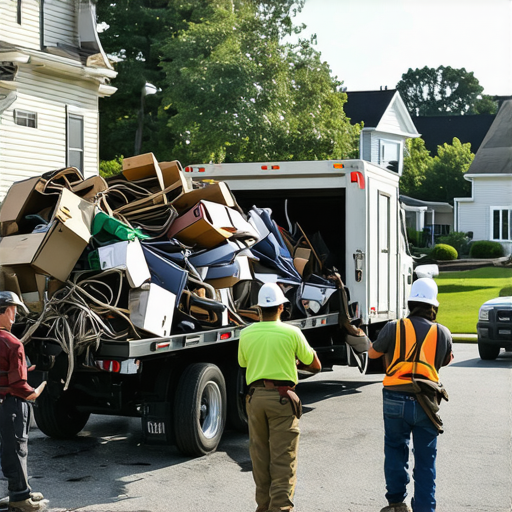
A business owner tried to save €500 by hiring a guy with a pickup truck from a social media ad. Two weeks later, the police called him because his company’s confidential files were found in a ditch. Your junk is your liability until it hits the scale. This is the reality of the waste industry. I have spent twenty-five years watching people treat disposal as an afterthought, only to see them pay triple in fines or property damage later. When we talk about Dumpster Rentals Aurora, we are not just talking about a metal box. We are discussing a ten-ton logistical asset that requires precise placement, structural awareness, and a deep understanding of local ordinances. If you drop a bin without a plan, you are inviting a disaster to sit on your driveway.
The logistical nightmare of a bad drop
Safe dumpster placement involves calculating the load-bearing capacity of the surface and ensuring clear overhead clearance for hydraulic lift systems. In Aurora, the combination of narrow residential streets and varying driveway grades makes placement a science. You must account for the swing radius of the truck and the exit path of the bin rollers. If the surface is soft or the grade is too steep, the bin will migrate. Gravity never sleeps. A migrating bin can snap a gas line or crush a retaining wall in seconds. We look for level ground with a minimum of twenty-two feet of vertical clearance to avoid snagging low-hanging power lines or telecommunication cables.
Physics of the twenty-yard container
A twenty-yard dumpster occupies a specific footprint of approximately twenty feet by eight feet, requiring a total of sixty feet of linear space for the delivery truck to maneuver. The weight distribution is the real killer. A container filled with Furniture Removal waste or Garage Clean outs debris might weigh four tons. A container filled with concrete or dirt can exceed ten tons. This weight is concentrated on four small steel rollers. Each roller exerts thousands of pounds of pressure per square inch. Without protective dunnage, these rollers will pierce through standard residential asphalt. We use structural grade lumber to bridge the gap between the steel and the ground, spreading that PSI across a larger surface area to prevent structural failure of your driveway.
Protecting the Aurora driveway
Driveway protection requires the use of two-by-ten wooden planks or specialized heavy-duty plastic pads placed precisely where the dumpster wheels will land. Asphalt is a flexible pavement, not a rigid one. On a hot day in Aurora, the bitumen softens. If a heavy bin sits for a week, it will sink. Concrete driveways are not immune either. While rigid, concrete is prone to cracking if the load is placed over an air pocket or a weak subgrade. Professional Junk Removal Aurora services always inspect the slab for existing stress fractures before the tires even touch the property line. We refuse drops on sites where the risk of property damage exceeds the value of the haul.
“Waste is merely a resource in the wrong place; professional removal is the science of putting it back where it belongs.” – Disposal Industry Maxim
Navigating the municipal permit maze
Placing a dumpster on a public street in Aurora requires a specific right-of-way permit and adherence to strict visibility standards. You cannot just park a bin on the curb because you ran out of driveway space. The city requires reflective tape or traffic cones to prevent overnight collisions. If a cyclist hits your unlit bin at 2:00 AM, the liability sits squarely on your shoulders. We handle the permit verification process because we know the local codes. Most residential zones have a seventy-two-hour limit for street placement before the fines start compounding. Dumpster Rentals Aurora experts keep a log of these local shifts to protect the client from administrative headaches.
The hidden cost of air
Wasted air space in a dumpster is wasted money, so we focus on the cubic-yard density of every load we manage. Most people throw items in haphazardly. They create voids. A sofa thrown on top of a pile creates a three-cubic-yard bubble of nothing. This is why Furniture Removal requires a breakdown strategy. We remove legs, flatten cushions, and stack frames to ensure the bin is “cubed out.” If you are paying for twenty yards, you should be getting twenty yards of debris, not ten yards of trash and ten yards of air. This efficiency reduces the number of trips to the transfer station, lowering the carbon footprint of the entire project.
| Material Type | Average Weight per Cubic Yard | Disposal Difficulty | Recycling Potential |
|---|---|---|---|
| Household Junk | 250 lbs | Low | High |
| Construction Debris | 500 lbs | Medium | Medium |
| Concrete/Brick | 2,000 lbs | High | High |
| Green Waste | 300 lbs | Low | Very High |
Materials that break the law
Hazardous materials are strictly prohibited from standard curbside bins due to environmental regulations and fire safety protocols. You cannot hide a lead-acid battery in a Hoarder Clean Out aurora pile. It is a fire hazard. When the truck compacts the load, those batteries rupture. The acid leaches into the truck bed, and the sparks from the metal-on-metal friction can ignite the entire load. This is why we perform a visual inspection during every Appliance removal or general clean out. If we find prohibited items, they stay on the curb. No exceptions.
- Lithium-ion batteries and power tool packs
- Wet paint, solvents, and chemical cleaners
- Propane tanks and pressurized cylinders
- Asbestos-containing materials like old floor tiles
- Tires and automotive rubber components
- Refrigerators with unrecovered Freon
The financial reality of tipping fees
Tipping fees are the gate fees charged by landfills and transfer stations based on the tonnage of the waste delivered. Many customers do not understand that the rental price is only half the equation. The weight is the variable. If you fill a bin with wet drywall after a flood, the weight triples. Drywall is porous. It acts like a sponge. In Aurora, the local transfer stations are strict about weight limits. If a truck is over the legal road limit, the driver faces a massive fine and must offload the excess on the spot. This is why we calculate the estimated weight before the bin is even ordered. We match the bin size to the material density to avoid these logistical bottlenecks.
“Proper waste characterization is the first step in protecting the public health and the environment from the mismanagement of solid waste.” – EPA Guidelines
The environmental impact of waste-to-energy
High-efficiency waste-to-energy plants in the region convert non-recyclable debris into electricity, providing a better alternative than traditional landfilling. While most people think recycling is always better, the carbon footprint of hauling low-grade plastics five hundred miles often exceeds the impact of local waste-to-energy incineration. We prioritize local facilities that minimize transport distance. This is a contrarian view, but the math supports it. By reducing the road miles, we reduce the diesel emissions. A twenty-yard bin that travels ten miles to a recovery facility is far more sustainable than a bin that travels fifty miles to a landfill. This is how we manage the Junk Removal lifecycle responsibly.
The heavy cost of keeping everything
Hoarding situations create extreme floor-load pressures that can compromise the structural integrity of a residential building. During a Hoarder Clean Out aurora, we often find that the junk has become part of the structure. Layers of old magazines and clothing absorb moisture from the air, increasing their weight by forty percent. This puts a massive strain on the floor joists. When we start removing this material, we have to be careful not to shift the weight too quickly, which could cause a collapse. We use a phased removal approach, clearing paths and stabilizing the area before the heavy lifting begins. It is not just about clearing space; it is about engineering a safe exit for thousands of pounds of compressed debris.
The ghost in the garage
Old appliances and forgotten machinery in a garage often contain hazardous fluids that require professional extraction before disposal. A simple Appliance removal is rarely simple. Old chest freezers contain compressors with oil and refrigerant. Lawnmowers have residual gasoline and oil. If these fluids leak onto your driveway during the loading process, they leave permanent stains and create environmental hazards. We use containment trays and absorbent mats during the extraction process. We treat every garage as a potential hazmat site until we verify the contents. This level of detail is what separates a professional strategist from a casual hauler with a trailer.