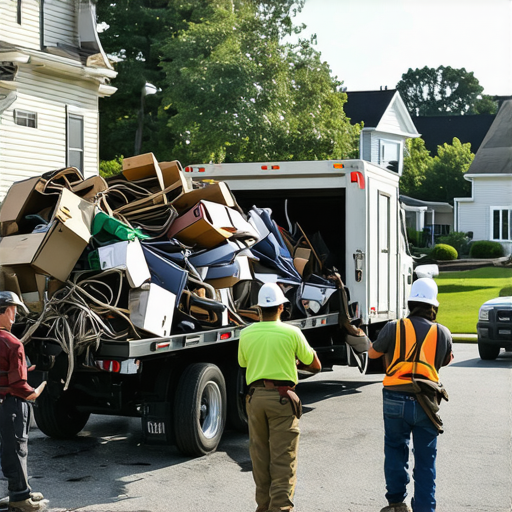
The heavy reality of the driveway
Dumpster Rentals Aurora services must account for the structural integrity of residential asphalt driveways, concrete slabs, and load-bearing surfaces. Proper junk removal Aurora logistics require protective padding, weight distribution boards, and site assessment to prevent surface cracking, indentations, and mechanical damage from roll-off bins during garage clean outs or furniture removal projects.
A business owner tried to save €500 by hiring a guy with a pickup truck from a social media ad. Two weeks later, the police called him because his company’s confidential files were found in a ditch. Your junk is your liability until it hits the scale at a certified transfer station. This is the cold reality of the waste industry. I have spent twenty-five years watching fly-by-night operations undercut professionals only to leave a trail of environmental destruction and legal headaches for the property owner. When you hire for Junk Removal Aurora, you are not just paying for muscle. You are paying for the transfer of liability. If that waste is dumped in a creek bed or a vacant lot on the outskirts of town, the paper trail leads back to your front door. The Resource Conservation and Recovery Act makes it clear that the generator of the waste is responsible for its final destination. In my experience, the cheapest quote is often the most expensive mistake you will ever make.
The physics of asphalt failure under load
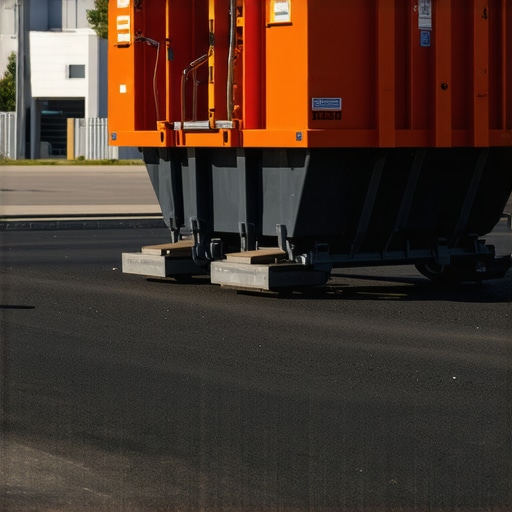
Asphalt driveways in Aurora face thermal expansion and compressive stress that make them vulnerable to point loads from steel dumpster wheels. A fully loaded 20-yard bin can exert several tons of downward pressure, causing alligator cracking or rutting if the subgrade is soft or the ambient temperature is high. Professional Dumpster Rentals Aurora operators use wood planking to distribute the static load across a wider surface area.
Asphalt is a flexible pavement, not a rigid one. On a hot summer afternoon, the bitumen softens. When a roll-off truck slides a heavy steel box onto that surface, the four small contact points of the bin wheels act like high-pressure punches. The PSI exceeds the sheer strength of the material. I have seen driveways that were pristine at 8:00 AM look like a disaster zone by noon because the driver didn’t use outrigger pads or wooden dunnage. We calculate the weight of the debris, the weight of the bin, and the structural capacity of the driveway before the tires even touch the curb. Garage clean outs often involve heavy items like old engines or stacks of tiles that significantly increase the density of the load, making weight distribution even more critical.
“Waste is merely a resource in the wrong place; professional removal is the science of putting it back where it belongs.” – Disposal Industry Maxim
Why your cheap hauler is a legal time bomb
Unlicensed junk removal operators lack general liability insurance, workers’ compensation, and hazardous waste permits required for appliance removal or hoarder clean out Aurora. Hiring unregulated haulers exposes homeowners to legal claims for illegal dumping, property damage, and workplace injuries occurring on their private property during heavy lifting or loading operations.
The logistics of a hoarder clean out Aurora are particularly dangerous. We are talking about unstable stacks of material that have been compressed over decades. I once cleared a house where the junk wasn’t just stuff. It was a structural hazard. We found the floor joists were bowing under the weight of 40 years of newspapers that had absorbed ten years of basement humidity. A cheap hauler doesn’t know how to navigate that risk. They don’t have the respiratory protection or the structural knowledge to prevent a collapse. When they get overwhelmed, they dump the load in a field. Then the Code Enforcement officers show up at your door with a fine that is five times what you thought you saved. Professionalism has a price, but negligence is far more expensive.
| Bin Size | Weight Limit (Tons) | Ideal Use Case | Asphalt Risk Level |
|---|---|---|---|
| 10 Yard | 2.0 | Garage clean outs | Low |
| 15 Yard | 2.5 | Appliance removal | Moderate |
| 20 Yard | 3.0 | Furniture removal | High |
| 30 Yard | 4.0 | Hoarder clean out Aurora | Extreme |
The logistical puzzle of a hoarder clean out
Hoarder clean out Aurora projects require biohazard awareness, structural assessment, and sorting protocols to manage extreme clutter and unsanitary conditions. These operations involve PPE usage, microbial controls, and volume reduction strategies to safely clear blocked egress points and fire hazards while identifying recoverable materials for diversion from landfills.
In a hoarding situation, the floor becomes a data overflow error. You aren’t just moving boxes. You are navigating a biological and physical minefield. The density of the material is often twice that of a standard garage clean out because the items have been packed tight by time and gravity. We use the Tetris method to cube out the truck, ensuring no air space is wasted, but we also have to be mindful of the weight limits of the vehicle’s hydraulic lift. If you overfill a bin with wet paper and rotted textiles, the truck might not even be able to pull it onto the bed. This is where the physics of the job meets the reality of the equipment. We don’t just throw things in a pile. We stack according to center of gravity and density.
Why appliances represent a hazardous material risk
Appliance removal involves managing refrigerants, polychlorinated biphenyls (PCBs), and heavy metals found in old compressors and circuit boards. Professional junk removal Aurora technicians follow EPA Clean Air Act regulations to ensure Freon recovery and safe disposal of white goods, preventing ozone depletion and soil contamination from leaking units.
Modern refrigerators are light, but the old ones are monsters of steel and chemical danger. I watched a rookie almost lose his eyebrows because a customer hid a half-full propane tank inside a pile of harmless yard waste. We don’t just lift. We inspect. Every. Single. Item. When it comes to appliance removal, the danger is invisible. It is the gas in the lines and the oil in the compressor. If you crush those in a standard trash truck, you are releasing toxins into the Aurora air. While most people think recycling is always better, the carbon footprint of hauling low-grade plastics 500 miles often exceeds the impact of local, high-efficiency waste-to-energy incineration. We choose the disposal path that minimizes the total environmental load, not just the one that looks good on a brochure.
“Proper hazardous waste management is not an option but a legal mandate for protecting groundwater and public safety.” – EPA Waste Management Guide
- Leaking lead-acid batteries from old vehicles
- Unmarked chemical containers or pesticides
- Propane tanks and pressurized cylinders
- Fluorescent light ballasts containing PCBs
- Tires and bulk rubber materials
- Wet paint, solvents, and industrial resins
The structural physics of furniture removal
Furniture removal requires navigational expertise to prevent wall damage, floor scuffing, and joint failure in oversized items like wardrobes or sectional sofas. Professionals use moving blankets, dollies, and disassembly techniques to safely extract heavy furniture from tight corridors and upper-story rooms without compromising the building envelope.
Old furniture is often built with solid wood, making it a back-breaking challenge. Modern furniture is mostly particle board and glue, which lacks structural integrity. If you lift a modern dresser the wrong way, it disintegrates in your hands. This creates a different kind of mess. During furniture removal, we look for the load-bearing points. We calculate the turn radius of a hallway before we even pick up the piece. It is a game of inches. One wrong move and you have a hole in the drywall that costs more to fix than the removal fee itself. Garage clean outs often contain the worst of both worlds, heavy antique pieces mixed with rotting modern debris that falls apart and creates a slipping hazard on the floor. We clear the path, secure the load, and move with precision.
The secret life of a junk removal professional
Professional junk removal is a logistics-driven industry focused on material recovery, cubic-yard density, and regulatory compliance. The process involves sorting at the source, identifying recyclables, and optimizing transport routes to reduce fuel consumption and carbon emissions while maintaining public health standards in the Aurora community.
The smell of diesel and hydraulic fluid is the scent of a job well done. When I see a truck that is perfectly cubed out, with the heavy items on the bottom and the lighter items locked in place on top, I see a professional. When I see a bin sitting on a driveway without wood protection, I see an amateur. In Aurora, we have specific rules about what can go to the Tower Road Landfill and what needs to go to a specialty recycler. We know the tipping fees for every facility in the region. We know that a load of clean wood waste has a high BTU potential for energy recovery, whereas a contaminated load is just more landfill bulk. We are the gatekeepers of the waste stream. Every decision we make at the curb affects the local environment for the next hundred years. This is not just hauling junk. This is technical waste management. We take the burden off your property and handle it with the mechanical and legal respect it requires.