The diesel fueled reality of heavy waste logistics
I smell like hydraulic fluid and burnt coffee. It is 5:30 AM in Aurora, and I am staring at a 20-yard roll-off container that just crushed a customer’s decorative brick driveway because they ignored my advice. My world is measured in cubic yards, tipping fees, and the precise PSI a residential asphalt pad can withstand before it spider-webs into a ten thousand dollar liability. A business owner tried to save 500 dollars by hiring a guy with a pickup truck from a social media ad. Two weeks later, the police called him because his company’s confidential files were found in a ditch. Your junk is your liability until it hits the scale. This is not just about moving old sofas. It is about the physics of weight distribution and the legal requirements of the Resource Conservation and Recovery Act. If you think junk removal is just brawn, you have already lost the battle against property damage and environmental fines.
The physics of driveway failure and weight distribution
Dumpster rentals Aurora services demand a structural understanding of load-bearing surfaces to prevent driveway cracking and turf displacement. A 20-yard bin exerts thousands of pounds of pressure through small steel rollers. Without protective barriers like thick plywood or specialized shoring, the mechanical force will compromise asphalt integrity and crush underground irrigation pipes. The logistics of a successful drop depend on the angle of the truck’s rails and the moisture content of the soil beneath the driveway. When the hoist begins to tilt, the entire weight of the steel bin focuses on two tiny contact points. If the driver is a rookie and fails to use a wood block, the steel wheels will gouge the surface. In Aurora, the clay-heavy soil expands and contracts with the seasons. This makes the ground unstable during the spring thaw. If you drop a heavy bin for a Hoarder Clean Out aurora project during a wet week, the dumpster will sink four inches into the mud before it is even half full. We calculate the density of the load before the truck leaves the yard. A bin full of old furniture has a different footprint than one filled with concrete or shingles.
“Waste is merely a resource in the wrong place; professional removal is the science of putting it back where it belongs.” – Disposal Industry Maxim
The heavy cost of keeping everything
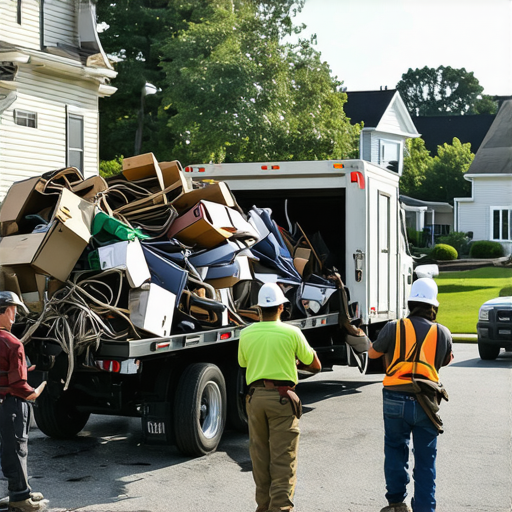
A Hoarder Clean Out aurora is a logistical operation requiring biohazard awareness and structural load calculations for damaged floor joists. When accumulated debris sits for decades, it absorbs moisture and increases dead weight beyond the original architectural specifications. I have seen floors bow under the weight of wet magazines. When we perform a Garage Clean outs, we are looking for more than just trash. We are looking for structural failures caused by the weight of the junk. The tetris of the load is the most important part of the job. Every inch of wasted air space in the truck is money leaving your pocket. We pack the heavy items like washers and dryers on the bottom to lower the center of gravity. This prevents the truck from tipping on sharp turns near the Fox River. A Furniture Removal job seems simple until you realize that 1970s solid oak desks weigh three times more than modern particle board. We use the science of leverage and specialized dollies to ensure the weight stays on the wheels and off the technician’s back. If the load is not balanced, the dumpster can shift during transport, leading to a dangerous situation on the I-88.
The hidden dangers of appliance and electronic disposal
Appliance removal in Aurora requires strict adherence to EPA regulations regarding refrigerant recovery and hazardous component management. Discarded refrigerators and freezers contain chlorofluorocarbons that must be professionally evacuated to avoid heavy environmental penalties. It is not just about the metal. It is about the toxins inside. When we handle an Appliance removal, we check the manufacture date. Older units might have PCB-laden capacitors. Modern units have digital boards that qualify as e-waste. Dumping these in a standard landfill is a violation of state law. We take these to specialized transfer stations where the metals are shredded and the chemicals are neutralized. The same applies to Junk Removal Aurora projects involving old televisions. The cathode ray tubes in vintage sets contain pounds of lead. If that tube breaks in your driveway, you have a hazardous waste site in your front yard. We treat every heavy appliance like a pressurized vessel because that is exactly what it is. One wrong move with a reciprocating saw and you have released a cloud of gas that the EPA tracks with a heavy hand.
“Proper waste segregation at the source is the cornerstone of landfill longevity and environmental safety.” – SWANA Technical Guidelines
The logistical math of volumetric pricing
The Junk Removal industry uses cubic yardage as the primary metric for cost estimation and disposal fee calculations. Understanding the difference between weight-based costs and volume-based costs is mandatory for budgeting large-scale cleanouts. Most people assume a bigger bin is always better, but if you fill a 40-yard bin with concrete, the truck will not be able to lift it. There are legal weight limits for every axle on a truck. In Aurora, we have to be mindful of the weight restrictions on residential streets. If we exceed those limits, the fines are astronomical. Here is how the materials break down by weight and risk:
| Material Type | Weight per Cubic Yard | Disposal Risk Level |
|---|---|---|
| Concrete/Brick | 2,000 – 3,000 lbs | High (Structural Impact) |
| Wet Yard Waste | 400 – 800 lbs | Medium (Leaching) |
| Household Junk | 250 – 400 lbs | Low (Surface Scratches) |
| Mixed Construction | 500 – 1,000 lbs | Medium (Puncture Hazard) |
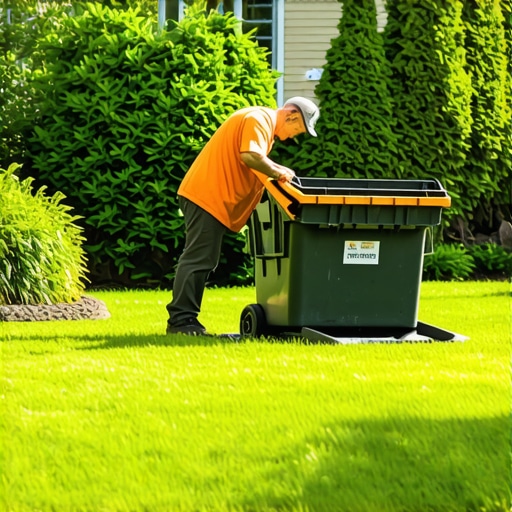
We use this data to determine the placement of the bin. If you are loading heavy debris, the bin must sit on the most reinforced part of the concrete. If it is just a Garage Clean outs with light boxes and old clothes, we have more flexibility. We never place a bin on a lawn without a heavy-duty mud track system. The grass will die in three days, but the soil compaction will last for years, preventing anything from growing there again. We calculate the footprint of the dumpster to ensure the load is spread across the widest possible area. This is the difference between a professional service and a guy with a trailer.
The prohibited items that stop a job cold
Junk Removal Aurora technicians must legally refuse certain hazardous materials to remain compliant with local and federal waste ordinances. Attempting to hide prohibited items inside a dumpster rental can lead to rejected loads at the transfer station and significant decontamination surcharges. You cannot just throw anything into a bin. If we find a car battery at the bottom of a load of wood, the whole load is considered contaminated. Here is the list of items your hauler cannot legally touch or transport in a standard roll-off:
- Lead-acid batteries and lithium-ion power cells
- Propane tanks, even if they appear empty
- Asbestos-containing insulation or floor tiles
- Mercury-containing thermostats and fluorescent tubes
- Wet paint cans, solvents, and industrial thinners
- Medical waste and sharps containers
- Tires, which must be recycled at specialized facilities
If you have these items, we provide a manifest for a hazardous waste specialist. Trying to sneak a half-full gallon of oil into a pile of yard waste is a recipe for a disaster. When that dumpster is tipped at the landfill, the oil leaks out and contaminates the groundwater. The landfill operators have eyes like hawks. They will find the source, and the paper trail leads right back to your address. We do a visual inspection of every layer as we load. We look for the tell-tale signs of chemicals. We look for the weight shifts that indicate hidden liquids. We are the gatekeepers of the landfill, and we take that job seriously.
The logistical ghost in the garage
The Garage Clean outs process often uncovers structural vulnerabilities and pest infestations that were hidden by years of vertical storage. Removing large-scale junk reveals foundation cracks and termite tracks that require immediate professional intervention. I once cleared a house where the junk was not just stuff. It was a structural hazard. We found the floor joists were bowing under the weight of 40 years of newspapers that had absorbed ten years of basement humidity. Every time we pulled a stack of papers, the house groaned. We had to shore up the basement before we could finish the removal. This is why we do not just grab and go. We assess the environment. Is the staircase rated for the 400-pound treadmill we are about to carry down? Is the drywall fragile? We use floor runners and corner guards because we know that a Furniture Removal job is not successful if the house is damaged in the process. We use high-denier moving blankets and nylon straps to secure loads. We do not use cheap twine. We use gear that is rated for the load. If a strap snaps, someone loses a limb. The tension on a winch during a Junk Removal Aurora operation is enough to cut through steel if the cable is frayed. We inspect our equipment daily. The hydraulic lines are checked for pinhole leaks that could spray high-pressure fluid. This is a high-stakes environment where the margin for error is measured in millimeters.
Why your cheap hauler is a legal time bomb
Selecting a disposal partner based solely on the lowest price often results in illegal dumping and vicarious liability for the property owner. Professional Junk Removal Aurora companies provide transfer station receipts and weight tickets to verify legal disposal and environmental compliance. If a guy shows up in a beat-up pickup truck and offers to take your whole garage for fifty bucks, he is not taking it to the dump. Tipping fees in Aurora are too high for that price to work. He is going to drive to a dark road in Kane County and dump it in a ditch. When the authorities find your old mail or a prescription bottle in that pile, the fine comes to you, not him. You are responsible for your waste from cradle to grave. That is the law. We provide a paper trail. We show you exactly where the waste went. We track our diversion rates to show how much was recycled and how much went to the waste-to-energy plant. While most people think recycling is always better, the carbon footprint of hauling low-grade plastics 500 miles often exceeds the impact of local, high-efficiency waste-to-energy incineration. We make those calls based on the current market for recyclables. If the cardboard market is down, we find the next most ethical route. We do not just dump and run. We manage the lifecycle of your discarded property with the precision of a logistics firm. The floor snapped. That is what happens when you put a 15-yard bin on a deck that was built for a hot tub. We see it all the time. People underestimate the weight of debris. A single cubic yard of dry soil weighs about 2,200 pounds. If it is wet, it is 3,000. Most residential surfaces are not designed for that. We are the ones who tell you where it can go and where it cannot. We are the ones who protect your yard from the crushing weight of your own history.