Why your “cheap” hauler is a legal time bomb
Dumpster Rentals Aurora options typically center on 10-yard and 15-yard containers to manage Junk Removal projects ranging from Furniture Removal to Appliance removal. Choosing the wrong size leads to overage fees, weight limit violations, and potential property damage due to overloaded hydraulic systems. Under Aurora waste ordinances, the generator of the waste remains legally responsible for its final destination. A business owner tried to save 500 dollars by hiring a guy with a pickup truck from a social media ad. Two weeks later, the police called him because his company’s confidential files were found in a ditch. Your junk is your liability until it hits the scale at a licensed transfer station like the one off Orchard Road. Professionalism is not an aesthetic. It is a risk management strategy. When you rent a container, you are not just buying space. You are buying a chain of custody. If that chain breaks, the environmental fines in Kane County will dwarf any initial savings. I have seen the aftermath of illegal dumping. It involves heavy fines and a permanent stain on a company’s reputation. We treat every load as a logistical puzzle that must be solved within the strictures of the Resource Conservation and Recovery Act.
The math of mass and volume
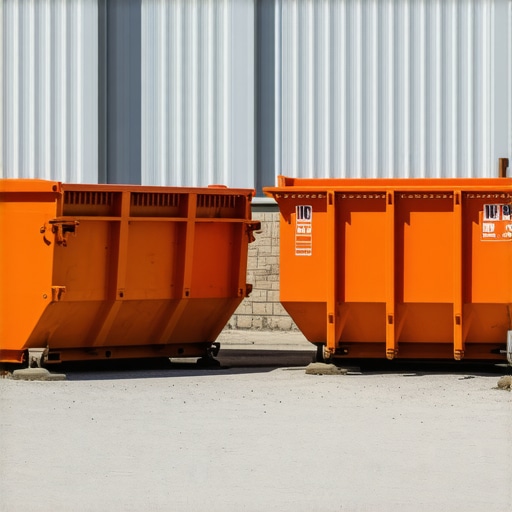
Junk Removal Aurora demands an understanding of density. A 10-yard dumpster holds ten cubic yards of material, but its weight capacity is the true bottleneck for Garage Clean outs. A single cubic yard of loose debris weighs significantly less than a cubic yard of concrete or wet soil. When we discuss Dumpster Rentals Aurora, we are discussing the physics of the lift. A 10-yard bin is the scalpel of the industry. It is designed for high-density, low-volume debris. Think of a bathroom tear-out. You have heavy ceramic tiles, cast iron tubs, and sodden drywall. These materials are compact but punishing on a truck’s suspension. If you try to put a 15-yard load of concrete into a 15-yard bin, the truck will not be able to pull it. The rails will groan. The hydraulics will bypass. You will be left with a static monument to your own poor planning. The 10-yard bin is built shorter, usually about three and a half feet high. This allows for easier over-the-side loading of heavy items without straining the operator’s back. In contrast, the 15-yard bin offers that extra buffer for Furniture Removal where items like sectional sofas or old armoires take up massive air space but weigh very little. It is about cubing out the truck before you gross out the weight limit.
“Waste is merely a resource in the wrong place; professional removal is the science of putting it back where it belongs.” – Disposal Industry Maxim
The ten yard precision tool
Dumpster Rentals Aurora services utilize the 10-yard container for projects involving dirt, brick, concrete, or asphalt. These are known as inert materials. They do not decompose. They are incredibly heavy. One cubic yard of concrete weighs roughly 4,000 pounds. A 10-yard dumpster filled to the brim with concrete would weigh 40,000 pounds. This is double the legal carrying capacity of most tandem-axle roll-off trucks. This is why we tell customers to only fill 10-yard bins halfway with heavy materials. The technical term is a low-boy. These bins are often used for residential roofing projects. A square of shingles—100 square feet—weighs about 250 pounds. A typical Aurora home has 30 squares. That is 7,500 pounds of dead weight. Add in the plywood and the nails. You are approaching four tons. The 10-yard bin handles this with a lower center of gravity, ensuring the truck does not tip while navigating narrow residential streets or sloped driveways. Using a larger bin for these materials is a trap. You will overfill it. The truck will fail to lift it. You will then spend a Saturday afternoon hand-unloading two tons of debris just so the hauler can take the rest away. It is a logistical failure that costs time and money.
| Material Type | Recommended Bin | Weight Est. (Per Yard) | Typical Project |
|---|---|---|---|
| Concrete / Brick | 10-Yard | 4,000 lbs | Driveway Removal |
| Household Junk | 15-Yard | 250-400 lbs | Garage Clean outs |
| Roofing Shingles | 10-Yard | 250 lbs (per square) | Small Roof Repair |
| Yard Waste | 15-Yard | 300-500 lbs | Landscaping Clear |
The fifteen yard beast
15-yard dumpsters are the gold standard for a Hoarder Clean Out aurora or a general Garage Clean outs. This size provides the necessary length—usually 14 to 16 feet—to accommodate long items like lumber, area rugs, or disassembled shelving units. When you are dealing with a Hoarder Clean Out aurora, the challenge is not weight; it is volume and sanitation. Junk Removal in these scenarios involves layers of history. I once cleared a house where the junk wasn’t just stuff. It was a structural hazard. We found the floor joists were bowing under the weight of 40 years of newspapers that had absorbed ten years of basement humidity. The 15-yard bin allows for a more efficient Tetris-style pack. You place the heavy items on the bottom to stabilize the load, then use the lighter, bulkier items to fill the gaps. This is where the skill of a veteran loader shines. We look for air pockets. Air is the enemy of profit. Every cubic inch of empty space in that dumpster is money you are throwing away. You want a dense, flat load that doesn’t exceed the height of the walls. In Aurora, if the load is over the top, the driver will tarp it, and debris will fly out on the I-88. That is a DOT violation. It is also unprofessional.
The chemical reality of old appliances
Appliance removal within a Junk Removal Aurora project introduces complex environmental variables. You cannot simply throw a refrigerator or an air conditioner into a dumpster. These units contain refrigerants like R-22 or R-134a. Under the Clean Air Act, it is a federal offense to knowingly vent these gases into the atmosphere. When we perform Appliance removal, we ensure the units are set aside for specialized pickup or taken to a facility where the Freon can be legally recovered. The same applies to old televisions and monitors found during Garage Clean outs. These contain lead and mercury. If a tube breaks in the dumpster, it contaminates the entire load. This turns a standard C&D (Construction and Demolition) load into a hazardous waste load. The tipping fees at the landfill will quadruple instantly. We don’t just lift; we inspect. Every. Single. Item. A rookie almost lost his eyebrows because a customer hid a half-full propane tank inside a pile of yard waste. The compactor blade hit it. The spark was all it took. This is why professional oversight is mandatory for any Dumpster Rentals Aurora engagement.
“Managing hazardous waste is not just about compliance; it is about protecting the groundwater of the communities we serve.” – Solid Waste Association of North America (SWANA)
Hazardous shadows in the Aurora waste stream
Junk Removal Aurora experts must identify materials that the local landfills will reject. Failure to do so results in the dumpster being left on your property while you are charged a dry-run fee. This is a common point of friction for homeowners who assume a dumpster is a magic portal where things disappear. It is a transport vessel to a highly regulated facility. The following items are strictly prohibited in standard roll-off containers in the Aurora region:
- Lithium-ion batteries (Major fire hazard in trucks)
- Wet paint, solvents, and chemical thinners
- Asbestos-containing materials (Transite pipe, old floor tiles)
- Tires (Must be recycled separately due to landfill buoyancy)
- Propane tanks and pressurized cylinders
- Biohazardous waste or medical needles
- Motor oil and automotive fluids
Financial gravity of tipping fees
Dumpster Rentals Aurora pricing is a reflection of the tipping fee. In the Fox Valley area, landfills charge by the ton. When you rent a 10-yard or 15-yard bin, you are usually given a weight allowance. For a 15-yard bin, this might be 2 tons. If you fill it with heavy Furniture Removal items and old construction debris, you might hit 3 tons. That extra ton will cost you an additional fee, often ranging from 60 to 95 dollars depending on the current market rates at the transfer station. While most people think recycling is always better, the carbon footprint of hauling low-grade plastics 500 miles often exceeds the impact of local, high-efficiency waste-to-energy incineration. We look for the most carbon-efficient path. If we can divert wood waste to a mulching facility or metal to a scrap yard in North Aurora, we do it. It reduces the weight of the landfill load and helps the environment. This is the difference between a hauler and a waste strategist. We manage the weight to manage your costs.
The heavy cost of keeping everything
Hoarder Clean Out aurora projects are emotional marathons disguised as logistical sprints. The 15-yard dumpster is usually the minimum requirement here. The accumulation of decades creates a unique micro-climate inside a home. Papers become a solid mass. Fabrics rot. The sheer volume can be overwhelming. We approach this by zones. We clear the exits first. Safety is the priority. Then we move to the high-density areas. Using Junk Removal Aurora services for a hoarder situation isn’t just about hauling; it is about reclaiming a living space. Every load removed is a step toward structural integrity. We have seen houses where the sheer weight of the contents has cracked the foundation. That is the physical reality of clutter. It is not just an eyesore. It is a slow-motion demolition of the property. By choosing the 15-yard bin, you give yourself the room to make progress quickly. It provides the visual feedback of a job being done. The house breathes again. The floorboards stop groaning. The logistics of the cleanout are the logistics of recovery.
Reading through this detailed comparison between 10-yard and 15-yard dumpsters really highlights the importance of proper planning when it comes to junk removal projects. I’ve personally learned the hard way that choosing the wrong size can turn an otherwise straightforward job into a logistical nightmare, especially when dealing with heavy materials like concrete or drywall. The emphasis on understanding weight limits versus volume is so critical, particularly in tight residential streets here in Aurora where maneuverability is limited. I appreciate how the article explains the science behind the sizes and materials so clearly; it helps in making smarter decisions. One thing I’ve noticed is that many people overlook hazardous materials, like old appliances with refrigerants or lead-based paints, which could cause huge legal and environmental issues if not handled properly. For those planning a big cleanout, do you have recommendations on how to identify these hazardous items beforehand to avoid costly mishaps? Overall, this post has given me fresh insights into how waste management isn’t just about space but also about compliance and environmental safety.