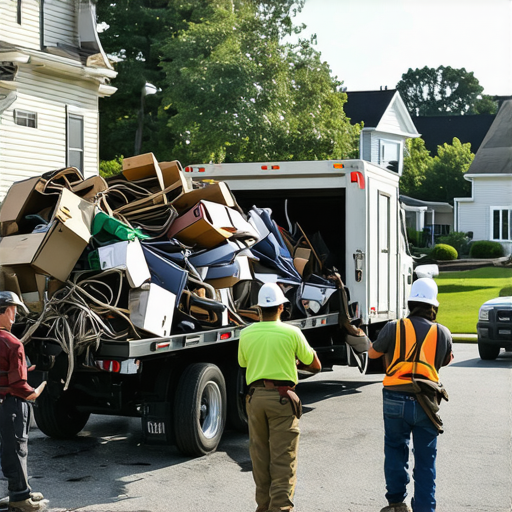

The smell of hydraulic fluid and cold diesel defines my mornings. Most people look at a pile of junk and see a mess. I see a logistical puzzle that demands a specific density to ensure profitability and safety. In the waste management sector, every cubic inch of air left in a 20-yard dumpster is money bleeding out of the tailgate. I have spent 25 years watching rookies fail because they do not understand the physics of the load. They think Dumpster Rentals Aurora is just about dropping a steel box on a driveway. It is actually about weight distribution, axle limits, and the legal chain of custody for every piece of debris. If the load is not tight, it is not right. The 2026 landscape for waste disposal requires more than just a truck. It requires a deep understanding of diversion rates and the chemical reality of what we haul.
The paper trail of a felony
Illegal dumping is a liability that stays with the property owner until the waste is processed at a licensed facility. A business owner tried to save €500 by hiring a guy with a pickup truck from a social media ad. Two weeks later, the police called him because his company’s confidential files were found in a ditch. Your junk is your liability until it hits the scale. This story is not unique. In Aurora, the strict enforcement of the Resource Conservation and Recovery Act means that the person who generated the waste is often held responsible for its final destination. When you hire for Junk Removal Aurora, you are paying for the peace of mind that your debris will not end up in a local creek or a forest preserve. The paper trail matters. We provide weight tickets and disposal receipts because a handshake does not hold up in environmental court. Every load we pull is logged with a manifest that tracks the material from your curb to the Orchard Hills Landfill or the appropriate transfer station.
“Waste is merely a resource in the wrong place; professional removal is the science of putting it back where it belongs.” – Disposal Industry Maxim
The physics of the fifteen yard fill
Efficiency in dumpster loading depends on the elimination of void spaces through strategic layering of heavy and light materials. When we handle Dumpster Rentals Aurora, we teach customers the art of the tetris. You start with the flat, heavy items. Old plywood, broken drywall, and flattened cardboard boxes create a solid foundation. This is the floor. Once the floor is established, we move to the bulky items. Furniture Removal requires breaking down pieces that are mostly air. A dresser is just a hollow box until you smash it. By reducing furniture to its component parts, you increase the density of the load and prevent the dumpster from reaching its volume limit before it reaches its weight limit. The hydraulic arms on our roll-off trucks are rated for specific tonnages. If you put five tons of concrete in a bin rated for three, the truck will not lift. The wheels will spin, the asphalt will crack, and you will be left with a very expensive lawn ornament.
Why your old refrigerator is a hazardous weapon
Appliance removal requires specialized handling because of the refrigerants and heavy metals found in modern and vintage cooling units. An old fridge is not just metal. It is a pressurized system containing Freon or other R-series refrigerants that can cause atmospheric damage if released. We do not just toss these into the back of a truck. Every unit must be evacuated by a certified technician. This is not a suggestion. It is federal law. When we perform Junk Removal in Aurora, we check for the compressor seal. We also look for capacitors in old microwaves and mercury switches in vintage thermostats. These items are the reason your local trash collector leaves things on the curb. They are not being lazy. They are avoiding a fine that could shut down their route. Professional appliance removal ensures these materials are stripped and the steel is sent to a scrap processor where it can be melted down and reborn as new rebar.
| Material Type | Estimated Weight per Cubic Yard | Disposal Strategy |
|---|---|---|
| Construction Debris | 400 lbs | Landfill or C&D Recovery |
| Household Junk | 250 lbs | Transfer Station Sorting |
| Green Waste | 350 lbs | Composting Facility |
| Concrete and Brick | 2,000 lbs | Aggregates Recycling |
| Metal Appliances | Variable | Scrap Metal Recovery |
The structural cost of keeping a hoarding secret
Hoarder Clean Out Aurora projects require a tactical approach to manage extreme weight loads that can compromise residential floor joists. I once cleared a house where the junk wasn’t just stuff. It was a structural hazard. We found the floor joists were bowing under the weight of 40 years of newspapers that had absorbed ten years of basement humidity. Paper is heavy. Wet paper is a lead weight. When we enter a hoarding situation, we are looking for more than just trash. We are looking for the exit path. We must assess the load-bearing capacity of the stairs before we start moving boxes. The logistics of a hoarder clean out involve more than just muscle. We use air filtration systems to manage the particulate matter that becomes airborne as soon as the first layer of debris is disturbed. It is a slow, methodical process that prioritizes the safety of the crew and the integrity of the building.
“Effective solid waste management is the foundation of public health and urban stability.” – Solid Waste Association of North America (SWANA)
Aurora’s hard line on illegal hauling
The city of Aurora maintains specific ordinances regarding the placement of dumpsters and the licensing of private haulers to protect public infrastructure. You cannot just drop a 30-yard bin on a public street without a permit. The narrow streets in parts of downtown Aurora mean that a poorly placed dumpster can block emergency vehicles. We coordinate with the city to ensure the bin is placed on wood planks to protect the asphalt from the 50,000 pounds of pressure exerted by the truck’s stabilizers. If you are doing a Garage Clean out, you need to know the local rules for household hazardous waste. Paint cans, motor oil, and lead-acid batteries cannot go in the bin. If our driver sees them, the bin stays on the ground. We provide a specific checklist for every customer to avoid these delays. This is not about being difficult. It is about environmental stewardship and keeping the local tipping fees low by avoiding contaminated loads.
- Lead-acid batteries: These must be taken to a dedicated recycler to prevent acid leaks.
- Tires: Landfills charge a premium for tires because they trap methane gas and float to the surface.
- Paints and solvents: These are flammable and contaminate the groundwater if crushed in a truck.
- Electronics: E-waste contains lead and mercury that must be harvested at specialized plants.
- Propane tanks: Even empty tanks are a massive explosion risk during the compaction process.
The math of Aurora tipping fees
Disposal costs are calculated based on the weight of the debris and the specific gate fees at the regional transfer station. Many people assume that a larger dumpster is always more expensive. That is a myth. The real cost is the weight. If you fill a small bin with concrete, it will cost more than a large bin filled with old couches. We analyze the density of your debris before recommending a size. For heavy debris like concrete, dirt, or brick, we use specialized low-profile bins that prevent the truck from exceeding legal road weight limits. Overloading a truck is a safety risk and a certain way to get a ticket from the state police. We weigh our trucks before and after the drop-off. The difference is what you pay for. This transparency is what separates professional Junk Removal Aurora services from the guys with a trailer and a dream. We understand the BTU potential of recovered wood and the market value of ferrous metal. This knowledge allows us to keep our prices competitive while maintaining the highest environmental standards. The floor snapped under the weight of a piano once. It was a lesson in center-of-gravity management. We do not make the same mistake twice. Every heavy item is assessed for its center of mass before we lift. This is the logistical zooming required for 2026 waste management. We look at the micro-details so the macro-project succeeds.