Commercial Junk Disposal: Clearing Aurora Office Cubicles
Commercial Junk Disposal in Aurora requires a calculated approach to volume, weight, and material classification to ensure corporate liability remains protected throughout the decommissioning phase. Business owners often underestimate the legal trail created by office furniture, thinking a simple haul-away service satisfies their obligations. It does not. A business owner tried to save 500 dollars by hiring a guy with a pickup truck from a social media ad. Two weeks later, the police called him because his company’s confidential files were found in a ditch. Your junk is your liability until it hits the scale at a certified transfer station. My name is a synonym for logistics in the waste industry. I smell like diesel and hydraulic fluid. I view an unorganized office cleanout as a failure of spatial geometry. When we enter an Aurora office park, we are not just movers. We are waste managers calculating the diversion rate of metal frames versus the inevitable landfilling of formaldehyde-soaked particle board. Office chairs are the enemy of volume. They are 90 percent air. If you do not break them down, you are paying to transport the atmosphere. We crush them. We stack the bases. We maximize the cubic yardage of the truck because empty space is a theft of profit. Logistics is the only thing that matters when the lease is up and the landlord is counting the minutes.
The ghost of corporate expansions past
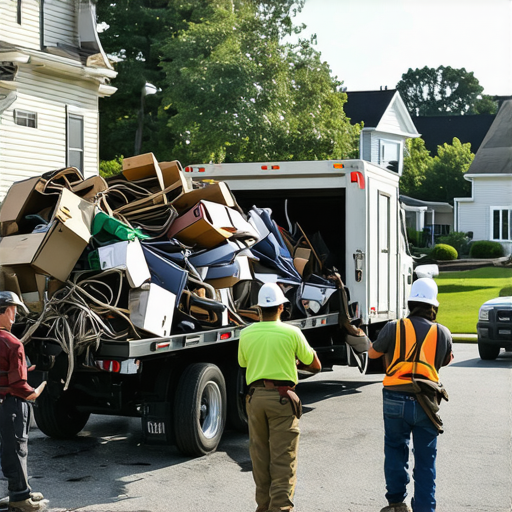
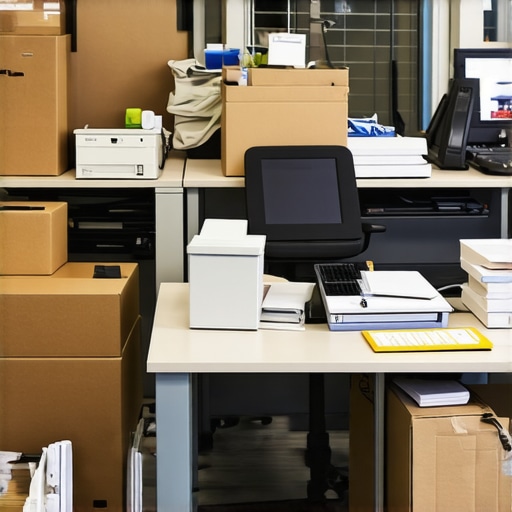
Office furniture disposal involves the systematic teardown of modular systems that were never designed to be moved twice. These cubicles are skeletal remains of the 1990s. They consist of fabric-wrapped acoustic panels, steel uprights, and heavy laminate work surfaces. The weight is deceptive. A single 60-inch cubicle panel can weigh 40 pounds. Multiply that by a floor of 200 workers. You are looking at four tons of material. The physics of the load matter. If you put all the steel in the front of the truck, the front axle suffers. You balance the load. You slide the flat panels against the walls. You fill the middle with the irregular shapes of task chairs and pedestals. I have seen rookies try to lift a lateral file cabinet without removing the drawers. The drawers slide out. The center of gravity shifts. The cabinet crushes a foot. We pull the drawers. We tape the slides. We treat the waste like a puzzle. In Aurora, the proximity to the Fox River means we have to be tight on fluids. Old printers leak toner. Old breakroom fridges leak freon. One spill is a fine. We don’t take risks. We take measurements. The truck cubing process is a science. If the 15-yard dumpster is not filled to 95 percent density, the client is wasting money on the haul. We make it fit.
“Waste is merely a resource in the wrong place; professional removal is the science of putting it back where it belongs.” – Disposal Industry Maxim
Why your office manager is not a logistics expert
Junk Removal Aurora services are often booked by harried office managers who think a truck is a truck. They are wrong. A professional waste strategist looks at the ingress and egress points of the building. We look at the elevator weight limits. We look at the loading dock height. If your office is on the fourth floor and the freight elevator is broken, the labor cost triples. The stairs are a bottleneck. We calculate the man-hours per cubic yard. A desk takes ten minutes to dismantle with a power driver. It takes thirty minutes with a hand tool. We bring the power. We bring the carts. We bring the experience of three decades in the trenches of waste. Garage Clean outs and office clearings share a common trait. People hide the bad stuff at the bottom. We find the lead-acid batteries from the old UPS systems. We find the mercury switches in the old thermostats. We find the things that get a truck rejected at the gate of the Aurora transfer station. We sort at the source. We don’t dump. We dispose. The difference is the paperwork. We provide a manifest. We provide a weight ticket. That is your shield against the EPA. Without it, you are just another dumper in the eyes of the law.
| Material Category | Average Density (lbs/cu yd) | Disposal Path | Aurora Tipping Fee Level |
|---|---|---|---|
| Office Cubicles (Disassembled) | 350-450 | Metal Scrapping/Landfill | Medium |
| E-Waste (Printers/PCs) | 600-800 | Certified Recycling Only | High |
| Filing Cabinets (Steel) | 500-700 | Scrap Metal Recovery | Low (Rebate potential) |
| Task Chairs | 150-200 | Bulk Waste Landfill | High (Volumetric) |
Electronic waste and the silent liability
Appliance removal in a commercial setting usually involves industrial-grade kitchen equipment or massive server room cooling units. These are not your kitchen toasters. They contain capacitors that can hold a charge for days. They contain heavy metals. In the state of Illinois, throwing a computer in the trash is a violation of the Electronic Products Recycling and Reuse Act. You cannot just toss a PC. You cannot just toss a monitor. We handle the e-waste stream with a separate chain of custody. We track the serial numbers. We ensure the hard drives are shredded before the metal is melted. This is not about being green. This is about data security and legal compliance. I have seen companies liquidated because a discarded server was found with customer data intact. We are the gatekeepers of your privacy. We take the load to a facility that gives us a certificate of destruction. That is the only way to sleep at night when you are clearing out an office. The tech is the most dangerous part of the junk pile. It looks small. It carries a massive risk. We treat every cable, every mouse, and every mainframe like a hazardous material until proven otherwise.
- Lead-acid batteries from backup power systems.
- Industrial cleaners and solvents from maintenance closets.
- Fluorescent light tubes containing mercury vapor.
- Propane tanks from cafeteria grilling equipment.
- Unlabeled chemical drums from R&D labs.
- Biohazardous materials from medical office suites.
The physics of the cubicle breakdown
Furniture Removal is a game of leverage. A cubicle panel is held together by hidden clips and tension. If you pull the wrong way, the frame bends. If the frame bends, it becomes a jagged piece of scrap that slices through a work glove. We use the right tools for the breakdown. We strip the fabric. We separate the aluminum from the steel. The aluminum is worth money. The steel is worth less. The fabric is trash. By separating the streams, we reduce the total weight sent to the landfill. This is how we hit a 70 percent diversion rate. Most haulers just throw it all in and pay the heavy tipping fee. We extract value. We spend the labor to save the disposal cost. It is a math problem that repeats every day. A 20-yard container can hold 4,000 pounds of mixed trash or 8,000 pounds of dense, organized scrap. We prefer the density. It means fewer trips. It means less fuel. It means a faster turnaround for the Aurora business owner. The floor snapped once under a heavy pile of old catalogs. The weight was too concentrated. We learned to spread the load. We learned to read the structural limits of the space. We are waste engineers.
“Landfills are a failure of imagination; professional hauling is the final stage of product lifecycle management.” – SWANA Technical Manual
Local Aurora disposal paths
Dumpster Rentals Aurora clients need to understand the local landscape of waste. We utilize the transfer stations near the Route 31 corridor and the specialized recycling centers in the Fox Valley area. These sites have specific rules. They close when the wind is too high. They reject loads that are steaming or smoking. They have cameras at the scale. We know the operators. We know the rules. If you are doing a Hoarder Clean Out aurora, you are dealing with organic decay and structural rot. That is different from an office. In an office, the decay is digital. The rot is the obsolescence of the tech. But the disposal path is the same. It goes from the loading dock to the scale. We manage the permits. We manage the street blockages. We manage the logistics so you can manage your business. The heavy cost of keeping everything is the space you lose. The heavy cost of bad disposal is the fine you pay. We provide the middle ground. We provide the professional exit. Your junk is gone. Your liability is erased. The truck pulls away. The job is done. The floor is clean. That is the only result that matters in this industry.
This post really highlights the importance of detailed planning and proper logistics when decommissioning office space in Aurora. I’ve seen firsthand how rushing through a cleanout without considering the weight limits, fluid containment, or material stream separation can lead to costly delays and legal issues. The emphasis on separating aluminum from steel and ensuring dense packing to maximize cost efficiency resonated with my experience managing similar projects. One challenge I’ve encountered is coordinating with transfer stations that have strict rules about hazardous materials and smoking loads. It makes me wonder, what are some best practices for preparing office furniture and e-waste to ensure smooth compliance and avoid rejection at the gate? Also, how do others handle unexpected discoveries like old batteries or chemical drums during the clearance process? Sometimes, a well-planned, staged approach can prevent these surprises and keep the project on track.