The hidden physics of a warehouse inventory clearout
A business owner tried to save €500 by hiring a guy with a pickup truck from a social media ad. Two weeks later, the police called him because his company confidential files were found in a ditch. Your junk is your liability until it hits the scale at a certified transfer station. This is the reality of waste management in Aurora. I have spent twenty-five years watching hydraulics hiss and truck tires compress under the weight of industrial negligence. Every cubic yard of space in a 15-yard truck represents a logistical puzzle that demands precision. If you do not respect the density of the load, the physics of the transport will punish your bottom line. Commercial Junk Disposal is not just about clearing space. It is about mitigating the legal and environmental risks that hide beneath the dust of an old warehouse floor. We see the rust. We see the chemical stains. We see the potential for a catastrophic fire from a forgotten lithium cell. This is the science of disposal.
The true price of liability in industrial logistics
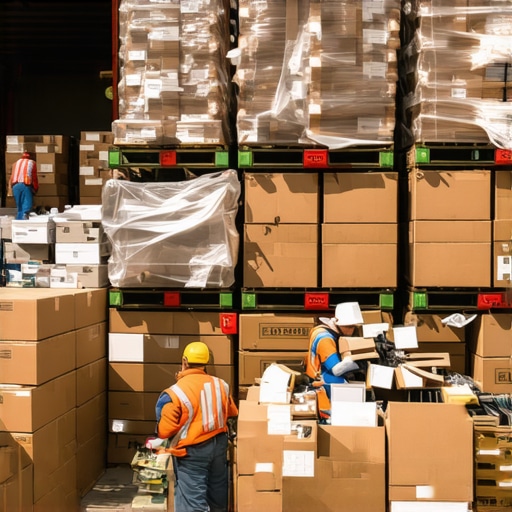
Commercial junk removal in Aurora requires an understanding of chain of custody and regional waste ordinances. Every item removed from an industrial site carries a digital and legal footprint. Failure to document the disposal of electronics or sensitive inventory can result in massive fines under local environmental protection codes. Professional haulers provide the necessary manifests. I have seen the damage caused by curbside cowboys who dump illegally. They skip the tipping fees and leave the original owner holding the bag. In the Aurora sector, the authorities do not care who drove the truck. They care about whose name is on the discarded shipping manifests. We track every pound. We audit every load. The floor snapped when we tried to move a pallet of old server racks because the previous tenant ignored structural load limits. That is the kind of detail that matters. Logistics is about anticipating the failure before the lift begins.
“Waste is merely a resource in the wrong place; professional removal is the science of putting it back where it belongs.” – Disposal Industry Maxim
Efficiency benchmarks for high volume site clearing
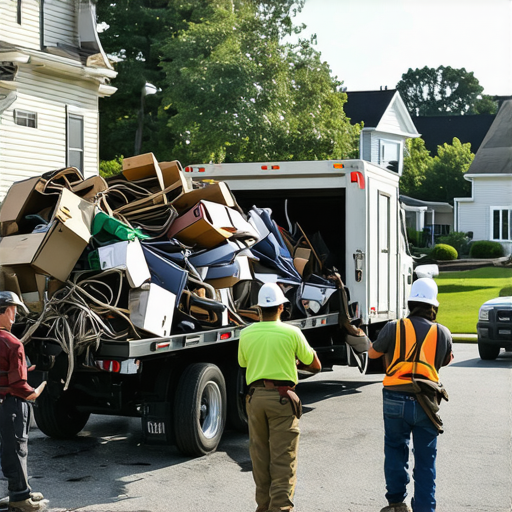
Maximizing truck capacity during a warehouse clearout involves calculating the exact volumetric weight of every pallet and loose item. We use a method called cubing out where every square inch of the truck bed is filled to prevent load shifting during transport. This reduces the number of trips and lowers the carbon footprint of the project. A standard 20-yard dumpster can hold roughly 110 to 130 trash bags, but industrial debris is far denser. When dealing with Appliance removal or heavy equipment, the center of gravity must be kept low. We analyze the suspension compression of our fleet. A Ford F-750 chassis has specific limits that a rookie will ignore. If the truck is uneven, the tires will heat up. The fuel efficiency drops. The risk of a blowout on I-225 increases. We do not just toss items in a pile. We build a wall of waste that is structurally sound and ready for the highway.
Hazardous materials and the risk of industrial fires
Industrial clearouts often uncover hazardous materials that residential haulers are not equipped to handle safely. Lithium-ion batteries, pressurized tanks, and old cleaning solvents represent a significant risk to the crew and the facility. Identifying these items early prevents warehouse fires and chemical spills. I watched a rookie almost lose his eyebrows because a customer hid a half-full propane tank inside a pile of harmless yard waste. We do not just lift. We inspect. Every. Single. Item. The Resource Conservation and Recovery Act (RCRA) sets strict guidelines for how these materials must be identified and transported. You cannot mix household hazardous waste with general commercial debris. The chemistry does not allow it. The law does not allow it. If you find a leaking drum, the entire operation pauses until a hazmat specialist clears the zone. Safety is the only metric that cannot be compromised.
| Material Type | Decomposition Time | Recycle Potential | Disposal Difficulty |
|---|---|---|---|
| Corrugated Cardboard | 3 Months | High | Low |
| Untreated Wood Pallets | 2 Years | Medium | Low |
| Office Furniture (Metal) | 200 Years | High | Medium |
| Commercial Plastics | 450 Years | Low | High |
| E-Waste (Circuit Boards) | 1000+ Years | Very High | Extreme |
Regional disposal realities for Aurora businesses
The Aurora waste environment is shaped by the proximity of the Denver Regional Landfill and the specific zoning laws of Arapahoe County. Navigating these permits requires local expertise to avoid fines and project delays. For instance, placing a dumpster rental Aurora on a public street requires a specific right-of-way permit that must be obtained 72 hours in advance. If you are near Buckley Space Force Base, there are additional security protocols for heavy vehicle traffic. We know the routes that avoid heavy congestion on Colfax or E-470. We understand the tipping fees at the local transfer stations vary by the time of day and the weight of the load. This local knowledge saves our clients thousands in hidden costs. It is the difference between a smooth operation and a logistical nightmare. Every minute the truck sits idle is a minute of wasted capital.
The heavy cost of keeping everything
Hoarding behavior in a commercial setting is often rebranded as inventory management but it functions as a tax on efficiency. Square footage in an Aurora warehouse is expensive and filling it with obsolete furniture or broken appliances is a waste of resources. We see companies paying for 10,000 square feet of space while 3,000 square feet is occupied by junk. The math is simple. If the item has not moved in two years, it is not inventory. It is an obstacle. Hoarder Clean Out aurora projects require a psychological and logistical approach. We categorize items into three streams: immediate disposal, scrap recovery, and charitable donation. This strategy ensures that the maximum amount of material is diverted from the landfill while clearing the floor for new, revenue-generating inventory. The clutter is a parasite on the business.
“Proper characterization of waste is the first step in protecting the public health and the environment.” – EPA Handbook on RCRA
The logistical anatomy of furniture and appliance removal
Removing industrial furniture and heavy appliances requires specialized rigging equipment and a deep understanding of structural load limits. Old desks and filing cabinets are often made of high-gauge steel which makes them incredibly heavy but valuable for scrap. We disassemble these items on-site to optimize truck space. Appliance removal is even more complex due to the presence of refrigerants like Freon. These must be recovered by a certified technician before the unit can be scrapped. If you simply throw an old refrigerator into a dumpster, you are violating federal law. We use heavy-duty dollies and stair-climbers to protect the facility walls and floors. A single scratch on a polished concrete warehouse floor can cost thousands to repair. We operate with the precision of a surgical team. We move fast but we never rush.
Mandatory Checklist for Prohibited Items
- Lead-acid batteries and automotive fluids
- Wet paint, thinners, and industrial solvents
- Pressurized cylinders or fire extinguishers
- Biohazardous waste or medical sharps
- Asbestos-containing insulation or floor tiles
- Tires without rims (require special environmental fees)
- Explosives or volatile chemical compounds
Final logistics summary
The path to a clean warehouse is paved with detailed planning and a commitment to legal disposal. Every load we haul represents a partnership between the business owner and the waste strategist. We ensure that your facility is cleared of Furniture Removal needs, old appliances, and general debris without exposing your brand to the risks of illegal dumping. The density of the load is our obsession. The safety of the crew is our priority. The compliance with Aurora municipal code is our promise. When the last truck pulls away and the warehouse floor is empty, the mission is complete. Your space is reclaimed. Your liability is extinguished. The logic of the load has been satisfied.