The ghost in the filing cabinet
Commercial junk disposal Aurora involves the systematic removal of high-density paper waste, decommissioned office equipment, and sensitive documentation from business environments. Proper junk removal Aurora services ensure that confidential files are handled with a strict chain of custody, preventing data leaks while optimizing the volumetric efficiency of transport vehicles during large-scale cleanouts.
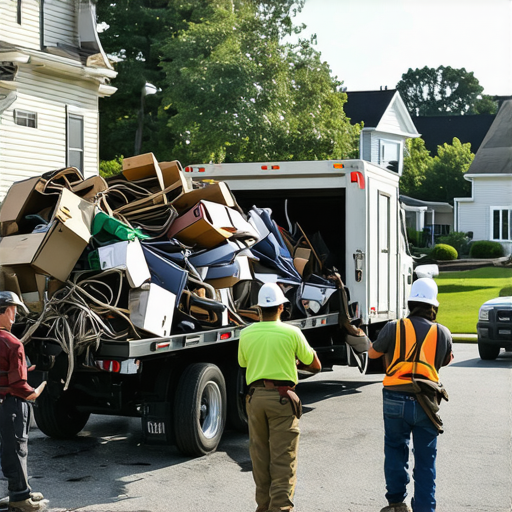
A business owner tried to save 500 dollars by hiring a guy with a pickup truck from a social media ad. Two weeks later, the police called him because his company’s confidential files were found in a ditch. Your junk is your liability until it hits the scale. I have seen this scenario play out far too many times in Arapahoe County. When you hire a curbside cowboy, you are not just outsourcing a chore. You are outsourcing your professional reputation to someone who might prioritize avoiding a forty-dollar tipping fee over your legal safety. The smell of diesel and hydraulic fluid is the smell of a legitimate operation. If the truck does not have a DOT number or a visible waste hauler permit, you are looking at a rolling lawsuit. Logistics is about more than lifting. It is about the physics of the load and the legality of the destination.
“Waste is merely a resource in the wrong place; professional removal is the science of putting it back where it belongs.” – Disposal Industry Maxim
The math of the commercial purge
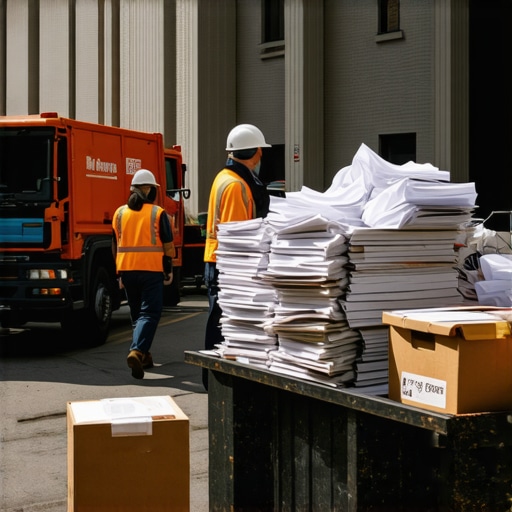
Junk removal Aurora services must account for the specific gravity of the materials being hauled to avoid axle weight violations on I-225. Commercial junk disposal of paper files requires heavy-duty box trucks because paper is incredibly dense. A standard banker box weighs approximately 30 to 35 pounds. If you have 200 boxes, you are moving three tons of material. This is why dumpster rentals Aurora are often preferred for long-term projects, while a junk removal crew is better for rapid extraction. The math does not lie. If your hauler does not understand the difference between a 15-yard and a 20-yard load limit, they will blow a tire on the way to the Denver Regional Landfill.
| Material Type | Weight per Cubic Yard (lbs) | Typical Disposal Method |
|---|---|---|
| Loose Paper Files | 350 – 450 | Shredding / Recycling |
| Old Office Desks | 150 – 250 | Material Recovery Facility |
| Filing Cabinets (Steel) | 250 – 400 | Scrap Metal Yard |
| General Trash | 100 – 300 | Landfill Transfer Station |
The physics of the load are unforgiving. We look at a room full of old files and see a structural load problem. The floor joists in older Aurora commercial buildings were not always rated for the static load of fifty vertical filing cabinets. When we perform a commercial junk disposal operation, we calculate the exit path first. We check the elevator weight limits and the stairwell radius. A piano removal or an appliance removal requires similar calculations. If you do not account for the center of gravity, a heavy filing cabinet can tip and crush a wall or a person. We use industrial dollies with non-marking wheels because the floor finish is just as important as the junk we are taking out.
The heavy cost of keeping everything
Hoarder clean out Aurora projects in a commercial context often involve legacy archives that serve no purpose other than as a fire hazard. The National Fire Protection Association (NFPA) notes that excessive paper storage significantly increases the fuel load of a building. When we perform furniture removal or garage clean outs for a business, we are essentially reducing their insurance risk. Every cubic foot of dead space is money lost. In Aurora, commercial rent is too high to be used as a storage unit for broken appliances and 20-year-old tax returns. The environmental impact is also a factor. High-grade white paper has a high recovery value, but only if it has not been contaminated by basement moisture or pests.
“Landfilling is the least preferred method of waste management; source reduction and recycling are the gold standards for modern industry.” – Environmental Protection Agency
Items your hauler cannot legally touch
Junk removal Aurora companies must follow strict RCRA guidelines regarding hazardous waste. While we handle furniture removal and appliance removal, there are specific items that cannot go into a standard 15-yard dump body. If a customer hides these in a pile of files, it puts the entire crew and the transfer station at risk. The friction of the hydraulic ram in the truck can cause a fire if chemicals are present.
- Lead-acid batteries from old UPS systems
- Mercury-containing fluorescent light tubes
- Partial cans of solvent or oil-based paints
- Propane tanks or pressurized cylinders
- Biohazardous materials or medical waste
- Tires (requires specific Aurora waste permits)
- Cathode Ray Tube (CRT) monitors and televisions
The logistics of the final haul
The final destination of your waste in Aurora is usually the Denver Regional Landfill or a transfer station like the one off Tower Road. The tipping fees are calculated by the ton, which is why commercial junk disposal Aurora specialists are obsessed with the Tetris of the load. If there is air in the truck, the customer is paying to haul oxygen. We pack the heavy files at the bottom to lower the center of gravity and stack the lighter furniture on top. This is the difference between a professional and a hobbyist. We know that a poorly packed load will shift during a turn on East Colfax, potentially causing a roll-over. Every strap, every tarp, and every cubic inch matters. The goal is 100 percent volume utilization. When we finish a job, the space should be a blank slate, ready for productivity, not a graveyard of forgotten data. We ensure the paper is shredded and the steel is melted. That is the only way to close the loop on commercial waste.