The Logistics of Modern Waste in Aurora
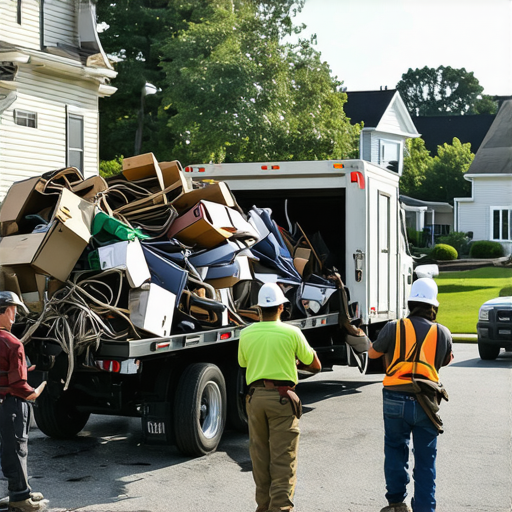
I smell diesel and hydraulic fluid every morning. It is the scent of progress and the scent of problems. As a logistics manager with decades in the hauling game, I have seen every possible failure of physical space. People think junk removal is just about muscle. They are wrong. It is about the tetris of the load. It is about the math of the axle weight. It is about knowing that every inch of wasted air in a truck bed is profit bleeding out onto the asphalt. Commercial junk disposal Aurora operations are reaching a tipping point as the 2026 tech upgrade cycle begins. Businesses are purging thousands of pounds of old hardware. If you do not have a plan for the weight, the weight will have a plan for you.
The high price of the cheap pickup truck
Junk removal Aurora services are currently flooded with fly by night operators. These curbside cowboys offer low prices because they ignore the law. A business owner tried to save 500 dollars by hiring a guy with a pickup truck from a social media ad. Two weeks later, the police called him because his company’s confidential files and old server units were found in a muddy ditch near the Cherry Creek spillway. Your junk is your liability until it hits the scale at a certified transfer station. When you hire an unverified hauler, you are not just getting rid of trash. You are outsourcing a legal crisis. I have watched inspectors trace serial numbers back to corporations that thought they were being thrifty. The fines from the EPA far exceed the cost of a professional 15-yard bin. This is the first law of waste: ownership does not end at the curb. It ends at the destruction certificate.
“Waste is merely a resource in the wrong place; professional removal is the science of putting it back where it belongs.” – Disposal Industry Maxim
The geometry of the heavy load
Furniture removal and appliance removal in a commercial setting require an understanding of load density. A standard 15-yard truck has a specific weight limit. If you fill it with metal desks and old refrigerators, you will hit your weight ceiling long before you fill the volume of the box. This is called cubing out. We calculate the density of every item. A steel filing cabinet occupies about 12 cubic feet but weighs nearly 150 pounds when empty. If it is full of paper, that weight triples. We analyze the structural load limits of residential and commercial stairs during every garage clean outs or office purge. One mistake with a piano or an industrial copier and you are looking at a cracked floor joist or a shattered marble tile. The physics of the lift are as important as the physics of the haul.
The hidden chemistry of the modern server room
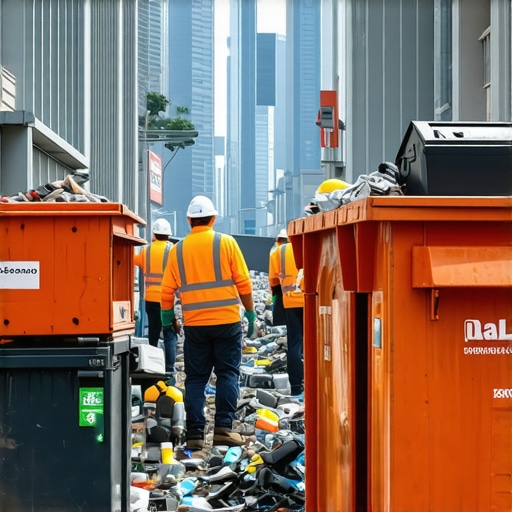
Appliance removal now includes a high volume of e-waste that contains hazardous materials. Your old server racks are not just metal boxes. They are repositories of lead, mercury, and flame retardants. Commercial junk disposal Aurora mandates that these items bypass the general landfill. We take them to specialized processors. I once watched a rookie almost lose his eyebrows because a customer hid a half-full propane tank inside a pile of harmless yard waste. We do not just lift. We inspect. Every. Single. Item. The chemical leaching of lead-acid batteries in a standard dumpster is a violation of the Resource Conservation and Recovery Act. We ensure every battery is manifested and tracked. If it has a circuit board, it has a specific destination that is not a hole in the ground.
| Material Type | Weight Per Cubic Yard | Disposal Priority | Aurora Tipping Rate Impact |
|---|---|---|---|
| Mixed Office Trash | 250 lbs | Landfill | Standard |
| E-Waste/Servers | 800 lbs | Recycling Center | Premium |
| Steel Desks | 1100 lbs | Scrap Metal | Credit Possible |
| Concrete/Construction | 3000 lbs | Heavy Fill | Weight-Based Only |
Why your ‘cheap’ hauler is a legal time bomb
Junk Removal Aurora experts know that the Denver Arapahoe Disposal Site (DADS) has strict protocols for commercial intake. When an amateur hauls your waste, they often try to sneak commercial loads in as residential drop-offs. When they get caught, the load is rejected. Where does it go then? Usually a vacant lot or a quiet road near the Aurora Reservoir. If your company name is on a single piece of mail in that pile, you are the one the city attorney calls. Professional hauling includes a paper trail. We provide the weight tickets. We provide the location of the disposal. We provide the peace of mind that your brand is not sitting in a pile of illegal trash. The carbon footprint of hauling low-grade plastics 500 miles often exceeds the impact of local, high-efficiency waste-to-energy incineration. We choose the local path that satisfies the law and the environment.
The heavy cost of keeping everything
Hoarder clean out aurora projects often involve what I call the ghost in the garage. This is the collection of items that people keep because they might be worth something someday. In a commercial sense, this is the room full of 2010-era monitors and tangled VGA cables. This occupies expensive square footage. In Aurora, commercial real estate costs are climbing. Keeping 500 square feet of junk is costing you thousands in rent and taxes every year. Garage clean outs for businesses are not just about cleaning. They are about reclaiming revenue-generating space. We strip these rooms down to the concrete. We pull the old appliances. We clear the furniture. We give you back your floor.
Prohibited Items Checklist for Aurora Hauling
- Leaking lead-acid batteries and automotive fluids
- Industrial solvents, degreasers, and thinners
- Pressurized oxygen, propane, or acetylene tanks
- Unlabeled chemical canisters or biohazard waste
- Radioactive smoke detectors and certain medical equipment
- Wet paint cans that have not been solidified with kitty litter
Managing the 2026 tech turnover
Commercial junk disposal Aurora is shifting toward a model of recovery rather than just removal. When we perform a furniture removal for a tech firm, we are looking for high-value alloys. We are looking for modular components that can be diverted from the waste stream. The 2026 upgrades mean we are seeing an influx of high-density lithium power strips and UPS systems. These are fire hazards if handled by amateurs. We use specialized containers to prevent thermal runaway during transport. We understand the BTU potential of recovered wood waste from old shipping crates. We do not see trash. We see a series of logistical puzzles that require specific solutions. The floor snapped once under a heavy load because a previous hauler ignored the weight limit of a freight elevator. We do not make that mistake. We measure. We weigh. We win.
“Modern waste management is the final stage of the supply chain; if you fail here, you fail the entire cycle of production.” – SWANA Technical Manual
Reading through this detailed overview of Aurora’s waste management challenges really highlights how complex modern junk removal has become. It’s not just about hauling trash anymore; it’s a logistical puzzle involving chemical hazards, load calculations, and legal accountability. I’ve had some experience with hazardous waste disposal in my own business, especially dealing with old electronics and batteries. What struck me was the emphasis on local processing and proper documentation—these are critical for compliance and reducing environmental impact. One challenge I’ve faced is coordinating different types of waste streams to ensure everything goes to the right facilities without delays or violations. Has anyone found effective strategies for streamlining this process, especially when working with tight deadlines? It seems that planning ahead and working with certified, experienced haulers makes all the difference.