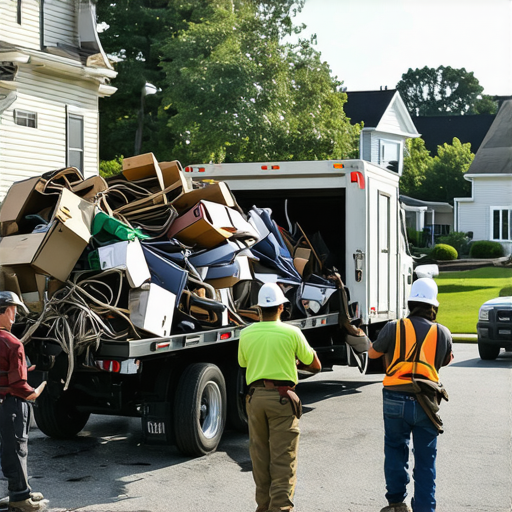

The structural anatomy of a hoarded Aurora home
Professional hoarder clean out aurora services require a deep understanding of structural load limits and material degradation. Clearing a home in Aurora involves managing heavy load logistics, local landfill regulations at the Denver Arapahoe Disposal Site, and the precise categorization of residential waste to ensure environmental compliance and safety.
I once cleared a house where the junk wasn’t just stuff. It was a structural hazard. We found the floor joists were bowing under the weight of 40 years of newspapers that had absorbed ten years of basement humidity. The air was thick with the scent of fermented pulp and stagnant moisture. Every step on the floor felt like walking on a sponge. We had to shore up the basement with temporary jacks before we could even begin the removal process. This is the reality of extreme hoarding. It is not a matter of just grabbing trash bags. It is an engineering challenge. The weight of stacked paper can reach 35 pounds per cubic foot. When you multiply that by a room filled to the ceiling, you are looking at thousands of pounds of static pressure on a floor designed for a fraction of that weight. Junk removal in these conditions is about risk mitigation. The hydraulic lift on our trucks works overtime. We calculate the center of gravity for every load. A shifting pile in a 15 yard dump box is a recipe for a rollover. We treat every room like a puzzle where one wrong move collapses the entire stack. This is why professional junk removal aurora teams focus on the physics of the site. We look at the load bearing walls. We check the integrity of the stairs before we carry a 300 pound armoire down them. In Aurora, the fluctuating temperatures and humidity levels mean that organic materials like cardboard and wood rot faster when compressed in unventilated spaces. This creates methane pockets and mold blooms that require specialized respirators. We don’t just lift. We analyze the decay.
“Waste is merely a resource in the wrong place; professional removal is the science of putting it back where it belongs.” – Disposal Industry Maxim
The math behind local tipping fees and load density
Understanding junk removal aurora pricing depends on the relationship between volume and weight. While many homeowners focus on the number of items, professionals calculate the cubic yardage against the density of the material to predict tipping fees at local transfer stations and municipal landfill sites.
Load density is the silent profit killer in waste management. A truck full of loose pillows takes up the same space as a truck full of wet drywall, but the tipping fee at the gate is determined by weight. We call this cubing out versus weighing out. In Aurora, our disposal sites charge by the ton with minimums that vary by material type. When we perform a garage clean out, we categorize items by their BTU potential or their scrap value. Metal is a recovery item. Construction debris is a heavy load item. Furniture is a volume item. If I pack a truck poorly, I am hauling air. Hauling air is a waste of fuel and hydraulic life. We use a tetris method to minimize voids. We break down furniture removal items to their smallest components. A sofa is 80 percent air. By stripping the fabric and breaking the frame, we reclaim 60 percent of that truck space. This efficiency is passed to the client. We track the current market rates for secondary materials. We know when the price of number two heavy melting steel drops. We know when the local cardboard recyclers are saturated. This logistical awareness keeps us from dumping valuable materials into the landfill. We operate on narrow margins. Every gallon of diesel counts. Every minute at the scale counts. The Denver Arapahoe Disposal Site (DADS) has specific hours and traffic patterns that we navigate to keep projects on schedule. We are not just movers. We are logistics managers handling a stream of unpredictable variables.
The heavy reality of furniture removal
Furniture removal in Aurora demands specialized equipment to protect both the property and the workers. Modern particle board furniture behaves differently under stress than antique solid wood, requiring distinct handling techniques during the extraction phase of a residential or commercial clean out.
The floor snapped. That is the sound of a rookie team trying to move an oak dresser without checking the weight distribution. Solid wood furniture from the early 20th century is a different beast than the modern disposable items we see today. An old dresser can weigh 250 pounds. If it has absorbed basement moisture, that weight can increase by 20 percent. We use heavy duty straps and dollies with non marking tires. We protect the doorways. In many Aurora homes, the hallways are narrow. We have to calculate the pivot point of every large piece. If we are dealing with appliance removal, we are looking at refrigerators that contain old refrigerants like R12 or R134a. These cannot just be tossed into a dumpster. The Clean Air Act requires the recovery of these chemicals. We have certified technicians who handle the evacuation of gases. We look at the compressor. We look at the coils. We see a hazardous waste unit where others see a broken fridge. The same applies to electronics. E-waste is a major concern in Colorado. We ensure that lead and mercury from old televisions do not end up in the groundwater. We follow the Resource Conservation and Recovery Act (RCRA) guidelines to the letter. Your junk is your liability until it hits the scale at a licensed facility. If your hauler dumps it in a ditch, the authorities will trace the serial numbers or mail back to you. We provide the paper trail. We provide the peace of mind.
| Material Type | Disposal Method | Compaction Ratio |
|---|---|---|
| Residential Trash | Landfill/Incineration | 4:1 |
| Construction Debris | Transfer Station | 2:1 |
| Metal Scrap | Recycling Center | 1:1 |
| Yard Waste | Composting Facility | 3:1 |
Why your cheap hauler is a legal time bomb
Hiring unlicensed junk removal contractors in Aurora exposes homeowners to significant legal and financial risks. Professional services provide insurance, environmental manifests, and guaranteed disposal at authorized facilities to protect clients from the consequences of illegal dumping and improper hazardous waste handling.
A business owner tried to save 500 dollars by hiring a guy with a pickup truck from a social media ad. Two weeks later, the police called him because his company’s confidential files were found in a ditch. This is a common story. Fly by night haulers avoid tipping fees by dumping in alleys or on rural roads. They do not have workers compensation insurance. If they throw their back out on your stairs, they might sue your homeowners insurance. We carry a two million dollar liability policy. We pay our tipping fees. We follow the rules because the alternative is a systemic failure of our community. In Aurora, illegal dumping is a serious offense. It attracts pests. It lowers property values. It contaminates the soil. When we do a garage clean out, we often find old paint cans, motor oil, and pesticides. These are household hazardous wastes. They require special handling. A cheap hauler will pour them down a storm drain or hide them in the middle of a load of trash. This is a environmental crime. We segregate these items. We take them to the appropriate collection points. We understand the chemistry of these substances. We know that mixing bleach and ammonia products in a trash bag creates toxic gas. We train our crews to identify these hazards before they touch them. Experience is the difference between a clean home and a hazardous site.
“Modern waste management is the final defense against the degradation of our urban environments.” – SWANA Technical Bulletin
Strategic dumpster rentals aurora and the permit trap
Dumpster rentals in Aurora require precise planning regarding placement and local right of way permits. Selecting the correct container size prevents overage fees and ensures that the delivery vehicle can safely navigate residential streets without damaging private property or public infrastructure.
The narrow streets of certain Aurora neighborhoods mean a 20 yard dumpster is a permit nightmare. You need a live load truck in some cases. If you place a dumpster on a public street, you often need a permit from the city. If you place it on your driveway, you risk cracking the concrete if the bin is not properly padded. We use wood blocking to protect the surface. We check for overhead wires. We look at the slope of the ground. A full 30 yard dumpster can weigh 10 tons. If that weight is not distributed correctly, it can crush an asphalt driveway on a hot Colorado summer day. We guide our customers through the sizing process. Most people underestimate their volume. They order a 10 yard bin for a project that requires a 20 yard bin. Then they overfill it. An overfilled dumpster is a safety hazard on the highway. We cannot legally haul a bin if the debris is above the rim. We see it all the time. People piling furniture three feet above the top. We have to charge for the extra labor to level the load. It is about the math. A 15 yard dumpster is roughly the size of five pickup truck beds. We help you calculate the displacement of your junk. We look at the weight limits of our roll off trucks. We ensure the local infrastructure can handle the transit. This is the logistical zooming we provide. Every detail matters. Every pound counts.
- Lead acid batteries and automotive fluids
- Propane tanks and pressurized cylinders
- Asbestos containing materials from old renovations
- Industrial chemicals and concentrated cleaners
- Medical waste and sharps
- Explosives or ammunition